
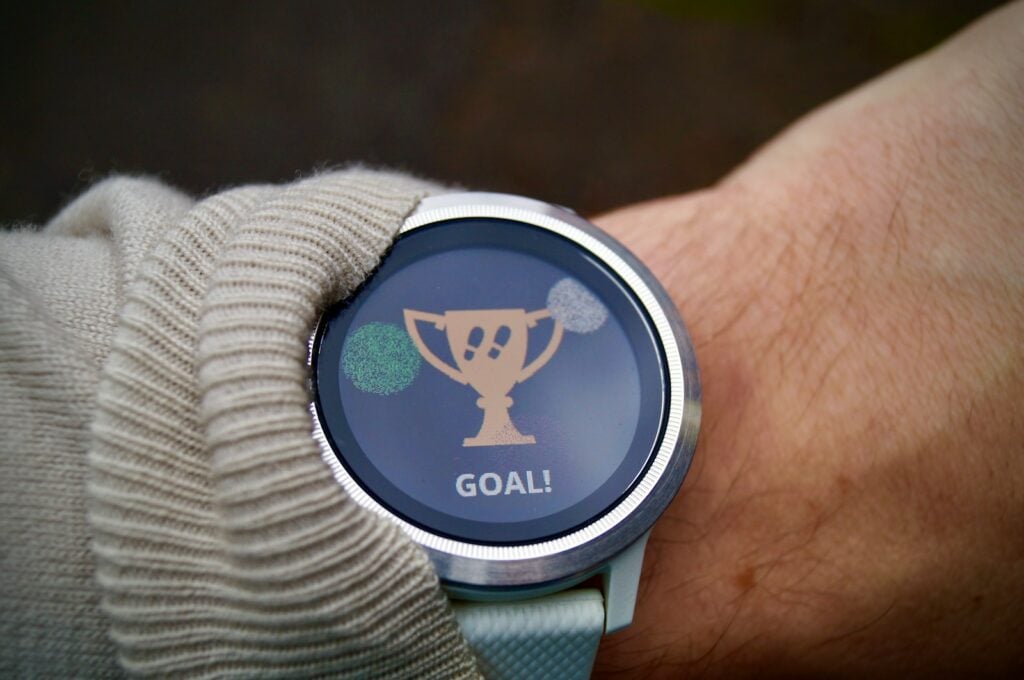
With promises of accurate data and personalized insights, they boast the ability to transform the way we perceive physical wellness. However, beneath their sleek designs and convenient features lies an untold narrative—one that suggests these devices may not capture the entirety of our fitness journeys. Could it be that the numbers flashing on our wristbands don’t paint the whole picture?
Consider this: while fitness trackers diligently count steps, monitor heart rates, and estimate calorie burn, they often overlook the nuances of personal health. For instance, they might miss the importance of mental well-being, the fluctuating energy levels throughout the day, or the impact of stress on physical performance.
This blog delves into **why fitness trackers don’t tell the full story**, shedding light on the blind spots of these ubiquitous gadgets and exploring how a more holistic approach to wellness might hold the key to truly understanding our bodies.
Limitations of Step Counting
Step counting is arguably the most popular feature on fitness trackers, and it’s easy to see why: walking is accessible, quantifiable, and tied to health guidelines. Yet, not all steps are created equal. A leisurely stroll through the park offers different physiological benefits than brisk uphill walking or quick interval sprints. By treating each step as a uniform unit of activity, trackers can overlook nuances such as pace, terrain, and form. This generalized approach may lead users to believe they’re meeting fitness goals when, in reality, they’re only covering flat ground at a slow pace.
Moreover, step counts can be gamed by repetitive wrist flicks or bumpy commutes, inflating activity metrics without reflecting genuine exertion. A tracker doesn’t know if you’re pacing nervously during a phone call or genuinely pushing yourself during a brisk walk. As a result, users might become complacent, mistaking high step counts for overall fitness improvements. Understanding these limitations is crucial for interpreting the data accurately and reinforcing that step metrics should be just one piece of a broader fitness puzzle.
Inaccuracy in Calorie Tracking
Calorie burn estimates from fitness trackers often rely on proprietary algorithms that fuse accelerometer data with basic personal details like age, weight, and gender. However, these algorithms can’t fully account for individual metabolic differences, body composition, or the efficiency of one’s movement patterns. As a result, two people performing the same activity at the same speed can see significantly different calorie burn readings—one might burn 200 calories, while another’s display shows 300. Such discrepancies can mislead users, potentially derailing weight-loss or gain objectives.
Adding to the confusion are the tracker’s assumptions about activity type. Jogging, cycling, swimming, and yoga all produce different body responses, but if a tracker misclassifies a workout—say, counting a dance routine as a simple walk—it will apply the wrong calorie-per-minute multiplier. Over time, these inaccuracies accumulate, turning daily calorie budgets into moving targets and potentially fostering unhealthy dietary habits or frustration when results don’t match expectations.
Overlooking Mental Health Indicators
Fitness trackers excel at gathering physiological data, yet many ignore or inadequately measure mental health indicators like mood, stress resilience, and cognitive fatigue. While some devices offer guided breathing sessions or stress score metrics, these functions often rest on heart rate variability (HRV) alone, neglecting psychological context and emotional triggers.
True mental wellness encompasses far more, including mindfulness, social interaction, and coping strategies that trackers simply can’t quantify. Moreover, an overemphasis on quantifiable fitness goals can exacerbate anxiety for those prone to obsessive tracking. The constant reminder of “goals unmet” or “steps below average” may amplify feelings of inadequacy rather than motivate positive change.
Without recognizing these mental health nuances—such as burnout, motivational dips, or emotional stressors—users may miss out on essential recovery practices and resilience-building exercises that foster sustainable overall wellness.
Ignoring Energy Levels Variability
Our energy levels naturally ebb and flow throughout the day due to circadian rhythms, nutrition, hydration, and external factors like workload and weather. Despite this, most fitness trackers present activity data without indicating whether you were running on high energy, pushing through fatigue, or recovering from a late night. This lack of context makes it hard to differentiate between an effortless workout and a strenuous effort requiring significant recovery.
By failing to account for these fluctuations, trackers may push users to chase raw numbers—more steps, more minutes, more calories—rather than encouraging listening to one’s body. Over time, this can lead to overtraining, burnout, and diminished motivation. Tracking tools that remain blind to subjective energy levels risk promoting a one-size-fits-all approach, ignoring the personalized ebb and flow that defines genuine fitness progress.
The Impact of Stress on Fitness
Stress exerts a profound influence on our physiological state, affecting everything from hormone levels to sleep quality. Chronic stress elevates cortisol, which can hinder muscle recovery, increase fat storage, and impair motivation. Yet most fitness trackers only capture a snapshot of stress via HRV or “stress scores,” without exploring root causes like work pressures, family dynamics, or financial worries.
This superficial view neglects the bidirectional nature of stress and exercise: while workouts can be stress relievers, they also place additional physiological demands. Without integrating stress management strategies—such as mindfulness, mental breaks, or adaptive training plans—trackers may inadvertently encourage you to push harder on days when your body actually needs rest. Recognizing stress’s multifaceted impact is essential for any holistic wellness routine.
Lack of Context in Heart Rate Monitoring
Continuous heart rate monitoring seems like a marvel, but without context, even accurate beats-per-minute data can mislead. A sudden spike in heart rate during a hike might reflect a steep incline, emotional excitement, or dehydration—none of which a tracker can differentiate. Similarly, a low resting heart rate is generally seen as a sign of fitness, but it can also indicate overtraining or even heart conditions.
Moreover, chest straps and wrist-based sensors have varying accuracy. While chest straps provide more precise readings, many users opt for convenient wrist trackers, which can be thrown off by wrist movement, strap tightness, or skin tone. Ultimately, without explanatory context—such as perceived exertion, environmental conditions, or emotional state—heart rate data remains a raw statistic rather than a fully interpreted health indicator.
Importance of Sleep Quality
Modern fitness trackers often tout sleep tracking as a key feature, dividing rest into light, deep, and REM phases. However, accurately detecting sleep stages via movement and pulse alone is inherently challenging. Many factors—room temperature, mattress quality, and nighttime disruptions—can skew data, leading to misleading sleep scores. Users may wake up convinced they had a “restless night” despite feeling refreshed, or vice versa.
Furthermore, sleep quality isn’t just about duration or stages. It also hinges on circadian alignment, pre-sleep routines, and stress levels. A tracker cannot measure how comfortable your bed is or how late-night screen exposure affected your melatonin levels. As such, relying solely on tracker-read sleep metrics can obscure the real sleep habits and lifestyle factors that truly determine regenerative rest.
Potential Solutions and Holistic Wellness Approach
To bridge the gaps left by fitness trackers, users should integrate qualitative self-assessments—journaling about mood, fatigue, and stress—alongside quantitative data. Combining tracker metrics with manual logs of perceived exertion and emotional well-being offers a richer narrative of one’s health journey. Regular check-ins with healthcare professionals can also contextualize tracker data, validating or challenging algorithm-driven insights.
Embracing a holistic wellness approach means prioritizing balance: scheduling active recovery days, practicing mindfulness, and adjusting goals based on real-life circumstances rather than fixed numerical targets. By weaving together technology with personal reflection and expert guidance, you can transcend the blind spots of devices and cultivate a more nuanced, sustainable path to health.
Conclusion
Fitness trackers offer valuable insights into our physical activity but fall short of capturing the full spectrum of wellness. Their focus on steps, calories, and simplistic stress metrics overlooks the complex interplay of mental health, energy variability, and lifestyle factors.
By recognizing these limitations and combining device data with personal reflection and professional guidance, we can forge a truly holistic wellness journey—one that transcends mere numbers and embraces the rich nuances of human health.