
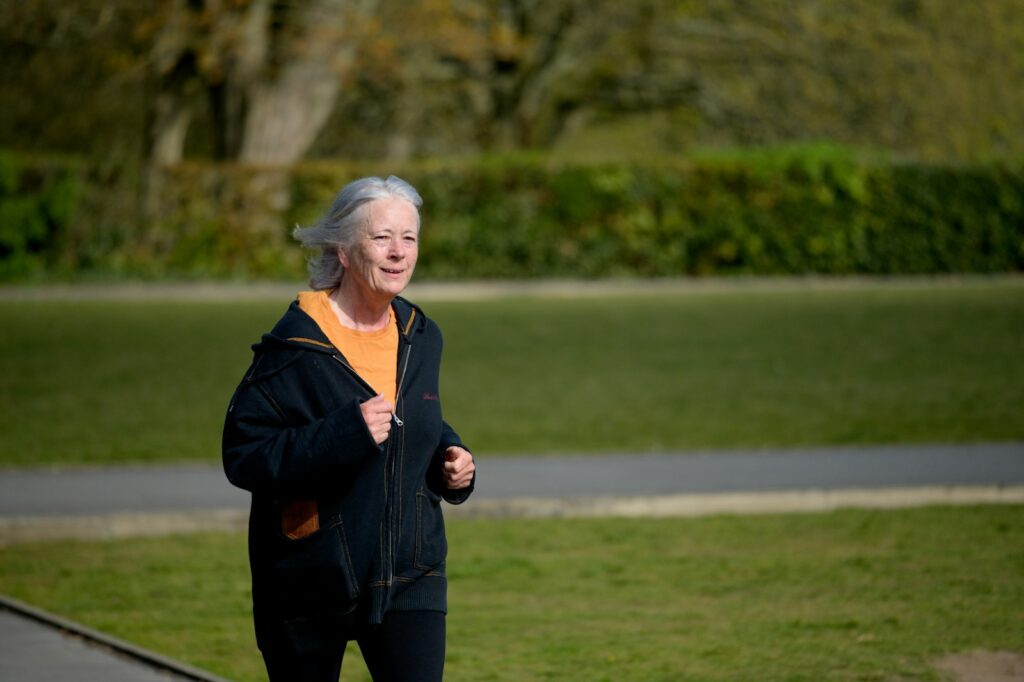
As we watch our elderly family members grow older, witnessing them become less active can be both concerning and heart-wrenching. A sedentary lifestyle can lead to a host of health issues, from decreased mobility to heightened risk of chronic diseases. However, encouraging our loved ones to move more doesn’t have to feel like an uphill battle. With the right approach, it can be as simple as incorporating gentle activities into their daily routine, making the experience enjoyable rather than burdensome.
This blog post is here to guide you on how to encourage elderly family members to move more, ensuring they maintain their independence and enjoy a better quality of life. Movement is not just a physical necessity; it’s a pathway to happiness and vitality, especially in our later years. Studies show that even moderate physical activity can significantly enhance mood and cognitive function among seniors.
By engaging elderly family members in movements that spark joy or purpose—whether it’s a morning walk through a favorite park or a light gardening session—you’re not only helping them stay fit but also enriching their emotional well-being. As we delve into practical strategies and creative ideas, let’s explore how we can make moving more a delightful and manageable part of their lives.
Understanding the Importance of Movement for Elderly Health
Regular movement plays a critical role in maintaining and improving the overall health of older adults. Physically, activities such as walking, stretching, or gentle strength exercises help preserve muscle mass, support joint flexibility, and improve balance—key factors in reducing the risk of falls. Cardiovascular benefits are also significant; even light aerobic activity can assist in managing blood pressure, improving circulation, and supporting heart health, which collectively lowers the risk of chronic conditions like heart disease and type 2 diabetes.
Moreover, movement stimulates bone density, helping to guard against osteoporosis and fractures as we age. Beyond the physical advantages, encouraging movement fosters substantial mental and emotional wellness. Exercise triggers the release of endorphins, the body’s natural mood elevators, thereby reducing stress, anxiety, and symptoms of depression. Engaging in purposeful activities—such as group walks, dance classes, or gardening—also offers cognitive stimulation, which can sharpen memory and slow cognitive decline.
Social interaction during these activities adds another layer of emotional support, combating loneliness and promoting a sense of community. Recognizing these varied benefits underscores why it’s essential to motivate our loved ones to stay active and why understanding the importance of movement for elderly health is the foundational step in our journey.
Assessing Your Elderly Family Member’s Current Activity Level
Before crafting any plan or introducing new routines, it’s crucial to gauge where your elderly relative currently stands in terms of movement. Start with an open conversation: ask about their daily habits—how often they walk, whether they perform light chores, and if they experience any pain or fatigue. Observe their typical day: do they spend long periods seated, or are they naturally inclined to wander around the house or garden?
Simple tools like a pedometer or fitness tracker can offer objective data, helping you count the number of steps taken each day and pinpoint where there might be room for improvement. Additionally, consult any medical records or talk to healthcare professionals if possible. A physical therapist or geriatrician can provide insights into mobility limitations and offer tailored recommendations.
If certain movements cause discomfort, note these specifically so you can choose alternative activities. By thoroughly assessing your elderly family member’s current activity level, you create a clear baseline—this enables you to set realistic targets, avoid injury, and build a plan that respects their preferences, health status, and lifestyle.
Setting Realistic Goals for Increasing Movement
When it comes to how to encourage elderly family members to move more, setting realistic, achievable goals is vital to sustaining motivation and preventing frustration. Begin by identifying small, incremental objectives rather than aiming for a drastic daily mileage or extended workout sessions. For instance, if they currently walk for five minutes at a time, aim to increase that to seven minutes over the next week.
Celebrate each milestone—whether it’s an extra five steps or an additional minute of stretching—to reinforce a sense of accomplishment. Goals should be personalized, taking into account individual health considerations, interests, and daily routines. Use the SMART framework: Specific (walk in the garden), Measurable (10 minutes), Achievable (given current ability), Relevant (supports overall well-being), and Time-bound (by the end of the week). Collaborate with your elderly family member in drafting these targets to ensure buy-in and ownership.
Adjust goals as needed, remaining flexible when health or weather conditions change. This balanced approach makes strides toward greater mobility manageable and rewarding.
Incorporating Fun and Enjoyable Activities
One of the most effective ways to inspire seniors to move more is by weaving activities they genuinely enjoy into their routines. When movement is tied to pleasure—like dancing to favorite tunes, tending a flower bed, or playing gentle tossing games with a soft ball—it stops feeling like a chore. Ask your loved one about past hobbies or interests they haven’t revisited in a while. Reviving passions, whether it’s light yoga, tai chi in the living room, or a weekly round of mini-golf at a local park, can rekindle enthusiasm for active living.
Variety is also key. Rotate between different activities to keep engagement high and prevent boredom. On Mondays, it could be a scenic walk; Wednesdays might feature a seated exercise DVD; Fridays could involve a family-led dance session. Integrating music, nature, or social elements elevates enjoyment while still counting toward overall movement goals. By focusing on fun and meaningful pursuits, you’ll help your elderly family members look forward to being active rather than dreading it.
Creating a Daily Movement Routine
Establishing a consistent daily routine helps transform sporadic movement into a reliable habit. Start by mapping out a daily schedule that includes brief activity windows—morning stretches upon waking, a short walk after breakfast, light chores in the afternoon, and gentle mobility exercises before bedtime. Use visual cues such as a wall calendar, smartphone reminders, or a color-coded chart to signal when it’s time to move. This structure minimizes decision fatigue and reduces the likelihood of skipping sessions.
Flexibility within that framework is equally important. Life happens, and some days may bring health fluctuations or unexpected appointments. Offer alternative options—if the weather prohibits an outdoor stroll, swap it for an indoor chair yoga session. Encourage your loved one to listen to their body and adjust intensity or duration accordingly. Over time, these movement windows become second nature, seamlessly integrating into daily life and making regular activity a cornerstone of their well-being.
Making Movement Accessible and Safe
Ensuring safety and accessibility is paramount when encouraging seniors to move more. Begin by auditing the home environment: remove loose rugs, secure electrical cords, and improve lighting to reduce tripping hazards. Install grab bars in bathrooms and install sturdy handrails along stairways. Encourage the use of non-slip footwear with adequate support during activities, and consider adaptive equipment—such as resistance bands, lightweight dumbbells, or balance pads—to accommodate varying ability levels.
Professional guidance can further optimize safety. Consult with a physical therapist to tailor exercises to specific mobility limitations and health conditions, ensuring proper form and reducing the risk of injury. For those with balance challenges, seated or supported routines may be more appropriate. By creating a secure environment and offering the right tools, you’ll empower your elderly family members to embrace movement confidently and consistently.
Social Support and Community Engagement
Humans are inherently social creatures, and the same holds true for seniors. Leveraging social support networks can greatly boost motivation to stay active. Look for local senior centers, community walking groups, or dance classes tailored to older adults. Many community centers also offer water aerobics, chair yoga, and low-impact fitness classes that foster camaraderie while promoting health. Attending these sessions not only encourages regular participation but also combats feelings of isolation.
If in-person gatherings aren’t feasible, explore virtual options. Numerous online platforms host live or recorded exercise classes for seniors, ranging from gentle stretching to seated strength workouts. Family involvement can be equally powerful—organize weekly intergenerational walks, garden projects, or game days that require light movement. By embedding activities within a supportive community framework, you’ll make it far easier and more enjoyable for elderly family members to stay engaged and active.
Monitoring Progress and Celebrating Achievements
Tracking progress provides both you and your elderly loved one with tangible evidence of improvement, reinforcing commitment and boosting morale. Encourage them to maintain a simple movement journal: note the type of activity, duration, and how they felt afterward. Digital options include user-friendly fitness apps or wearable activity trackers that automatically record steps and exercise time. Review these records together on a weekly or monthly basis to identify trends, acknowledge growth, and adjust goals as needed.
Celebrating milestones—no matter how small—is equally important. Did they complete an extra five minutes of walking this week? Recognize it with verbal praise, a small certificate, or a special outing. These positive reinforcements nurture their confidence and create positive associations with movement. Regular check-ins and celebrations also offer valuable opportunities to discuss challenges, refine plans, and explore new activities, ensuring continued progress on their journey toward a more active lifestyle.
Overcoming Challenges and Barriers
Even with the best intentions, seniors may encounter obstacles such as joint pain, low energy, or unpredictable weather. Addressing these challenges head-on requires empathy and creativity. For discomfort or chronic conditions, consult healthcare providers about pain management strategies and safe exercise modifications. On days when fatigue sets in, suggest ultra-gentle activities: seated marches, shoulder rolls, or simple flexibility moves.
When outdoor conditions aren’t ideal, prepare indoor alternatives like walking circuits around the living room or following online chair-based workouts. Motivational barriers—such as feelings of discouragement—also need tackling. Regularly remind your loved one of the physical and emotional benefits they’re experiencing.
Share inspiring success stories of peers or family members who have seen improvements. Adjust the plan to introduce fresh activities or social elements if monotony creeps in. By anticipating and navigating these hurdles, you’ll ensure that encouraging movement remains a positive, sustainable endeavor.
Empowering Your Elderly Family Members to Move More with Ease
Encouraging our elderly loved ones to stay active involves a thoughtful blend of understanding their needs, setting achievable goals, and making movement both safe and enjoyable. By assessing current activity levels, creating routines, and weaving in social support, we lay the foundation for lasting change.
Remember, the journey toward better health is a team effort. Celebrate each step forward and stay flexible in the face of challenges. Through patience, creativity, and genuine encouragement, you can empower elderly family members to embrace movement with confidence and ease—ultimately enriching their independence, well-being, and quality of life.