
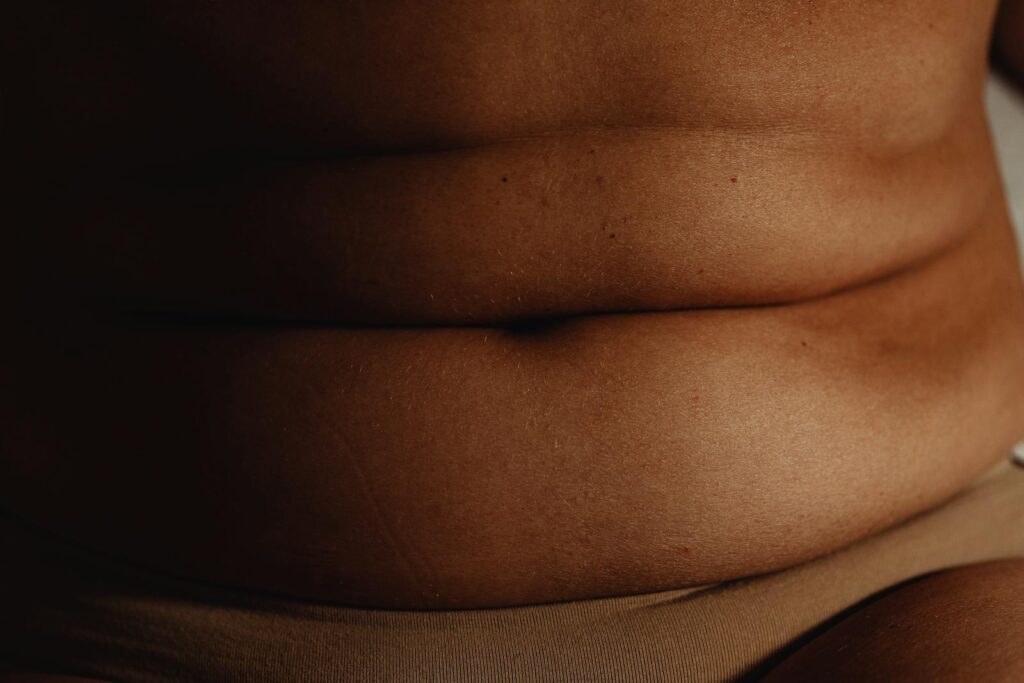
In the enduring battle against cancer, survivors often find themselves grappling with a lingering question: what can be done to prevent the disease from coming back? As medical advancements continue to enhance our understanding of cancer treatment and recovery, one area gaining significant attention is the impact of lifestyle choices on cancer recurrence. Among these choices, two factors stand out for their widespread prevalence and profound implications: obesity and inactivity.
The notion that these could play a role in increasing the risk of cancer making an unwelcome return is not just a topic of scientific inquiry, but a matter of personal urgency for countless individuals. Consider the reality faced by many cancer survivors who, despite achieving remission, must confront the fear of relapse. This fear is compounded by emerging studies suggesting that carrying excess weight and leading a sedentary lifestyle may indeed increase the risk of cancer’s reappearance.
By delving into the complex relationship between these factors and cancer recurrence, this blog post aims to shed light on actionable insights that could empower survivors to make informed choices. Understanding whether obesity and inactivity increase the risk of recurrence after cancer can not only enhance the quality of life for survivors but also offer hope in taking control over their health destinies.
The Link Between Obesity and Cancer Recurrence
Obesity is more than a cosmetic concern; it’s a complex metabolic state that can profoundly influence cancer outcomes. Multiple epidemiological studies have demonstrated that higher body mass index (BMI) is associated with an increased risk of recurrence in breast, colorectal, prostate, and endometrial cancers. The mechanisms appear multifaceted: excess adipose tissue secretes hormones, growth factors, and inflammatory cytokines that can feed residual cancer cells and create a favorable environment for them to thrive.
When asking “Do Obesity and Inactivity Increase the Risk of Recurrence After Cancer?” the data suggest a clear connection. Survivors who remain overweight after treatment often face higher rates of relapse compared to those who achieve and maintain a healthy weight. Beyond the biological factors, obesity can also hinder the effectiveness of follow-up therapies and complicate surgical outcomes, creating a feedback loop that further elevates recurrence risk. Recognizing this link is the first step toward implementing lifestyle interventions that could meaningfully reduce the chance of cancer’s unwelcome return.
Understanding the Biological Mechanisms
The interplay between obesity, inactivity, and cancer recurrence is governed by several biological pathways that influence how residual tumor cells survive and grow. Hormonal imbalances, chronic inflammation, and altered cellular signaling all contribute to a microenvironment conducive to cancer cell proliferation. Additionally, sedentary behavior can impair glucose metabolism and insulin sensitivity, further exacerbating these pathways in a way that favors tumor recurrence.
By dissecting these mechanisms, researchers can identify potential targets for intervention. Lifestyle modifications—such as weight loss, increased physical activity, and dietary adjustments—may help normalize hormone levels, reduce inflammatory markers, and restore metabolic balance. This understanding provides a scientific framework to answer the pressing question: do obesity and inactivity increase the risk of recurrence after cancer? It underscores the critical need to integrate lifestyle strategies into survivorship care plans to reinforce long-term remission.
Impact of Adipose Tissue on Tumor Growth
Adipose tissue is far more than an energy reservoir; it acts as an active endocrine organ. Fat cells secrete hormones like leptin and adiponectin, as well as growth factors such as insulin-like growth factor (IGF-1), which can directly influence tumor cell behavior. Elevated leptin and IGF-1 levels have been linked to increased cell proliferation and metastasis in multiple cancer types.
Furthermore, fat tissue can store lipophilic carcinogens and release them slowly over time, potentially exposing cells to harmful compounds long after treatment has ended. The cumulative effect of these secreted substances and stored toxins fosters a microenvironment where surviving cancer cells find the resources they need to evade immune surveillance, proliferate, and eventually cause a clinical relapse.
Role of Inflammation in Cancer Recurrence
Obesity is intrinsically linked to a state of chronic, low-grade inflammation marked by elevated levels of cytokines such as interleukin-6 (IL-6) and tumor necrosis factor-alpha (TNF-α). This inflammatory milieu can promote DNA damage, enhance angiogenesis, and suppress anti-tumor immune responses, setting the stage for cancer cells to re-emerge.
Inflammation also alters the extracellular matrix and tissue architecture, making it easier for cancer cells to invade and migrate. By maintaining a non-inflammatory state through weight management and anti-inflammatory dietary choices, survivors can disrupt this key driver of recurrence and support the body’s natural defenses against malignant resurgence.
Importance of Physical Activity in Cancer Recovery
Physical activity is a powerful countermeasure to both obesity and inactivity. Regular exercise helps regulate body weight, improve insulin sensitivity, and modulate hormone levels—all of which play roles in reducing the risk of cancer recurrence. Beyond metabolic benefits, exercise enhances cardiovascular health, muscle strength, and overall well-being, supporting both physical and emotional recovery.
Guidelines from organizations like the American Cancer Society recommend at least 150 minutes of moderate-intensity aerobic activity per week for cancer survivors, coupled with two strength-training sessions. Meeting these benchmarks can lower levels of inflammatory markers, boost endorphins, and give survivors greater confidence in their bodies’ resilience, helping to stave off the fear and stress associated with potential relapse.
Effects of Exercise on Immune Function
Exercise doesn’t just tone muscles; it fine-tunes the immune system. Moderate, regular activity enhances the circulation of immune cells such as natural killer (NK) cells and cytotoxic T lymphocytes, improving the body’s ability to detect and eliminate residual cancer cells. It also reduces the production of immunosuppressive molecules, creating an immune landscape less hospitable to tumor growth.
Conversely, prolonged inactivity can lead to immune dysfunction, increasing vulnerability to infections and potentially allowing dormant cancer cells to escape immune surveillance. By incorporating exercise into a recovery regimen, survivors can harness their body’s own defense mechanisms to lower the likelihood of cancer’s return.
Strategies for Maintaining a Healthy Weight Post-Cancer
Achieving and sustaining a healthy weight after cancer treatment requires a multifaceted approach. Adopting a balanced, nutrient-dense diet—rich in fruits, vegetables, lean proteins, whole grains, and healthy fats—is foundational. Portion control and mindful eating practices help prevent overconsumption and support long-term weight management.
In tandem, structured exercise programs that combine aerobic, strength, and flexibility training offer the best outcomes for body composition and metabolic health. Behavioral strategies like goal-setting, self-monitoring, and social support can improve adherence. Consulting with dietitians, exercise physiologists, and oncology rehabilitation specialists ensures that plans are tailored to individual needs and limitations, maximizing both safety and effectiveness.
Psychological Impact of Lifestyle Changes on Cancer Survivors
Undergoing dietary changes and committing to regular exercise can be emotionally taxing, especially for those already coping with post-treatment anxieties. Survivors may struggle with body image issues, fear of relapse, and the stress of navigating new routines. Recognizing and addressing these psychological challenges is critical for sustainable lifestyle transformation.
Cognitive-behavioral strategies, mindfulness techniques, and support groups can help survivors manage stress, build healthy habits, and boost self-efficacy. By fostering a positive mindset and emphasizing achievable milestones, survivors are more likely to persist with lifestyle modifications that play a key role in lowering the risk of recurrence.
Empowering Survivors Through Knowledge and Support
Education is a powerful tool in the fight against cancer recurrence. Providing survivors with clear, evidence-based information about how obesity and inactivity contribute to relapse empowers them to make informed choices. Workshops, webinars, and printed resources can demystify complex medical concepts and offer practical tips for daily living.
Equally important is the creation of a supportive community—whether through in-person groups, online forums, or mentorship programs—where survivors can share experiences, exchange strategies, and celebrate successes. Healthcare teams play a pivotal role by integrating lifestyle counseling into follow-up care, reinforcing the message that survivors are not alone in their pursuit of long-term health.
Taking Control of Health Destiny
In summary, a growing body of research underscores the connection between obesity, inactivity, and cancer recurrence. By understanding the biological mechanisms at play and embracing lifestyle interventions—such as balanced nutrition, regular exercise, and psychological support—survivors can significantly reduce their risk of relapse. Addressing the question “Do Obesity and Inactivity Increase the Risk of Recurrence After Cancer?” leads to an actionable answer: yes, but these factors are modifiable through informed choices.
Empowerment comes from knowledge, collaboration with healthcare providers, and a commitment to sustainable behavior change. With each step taken toward maintaining a healthy weight and active lifestyle, cancer survivors reclaim agency over their health destinies, laying a foundation for long-term remission and improved quality of life.