
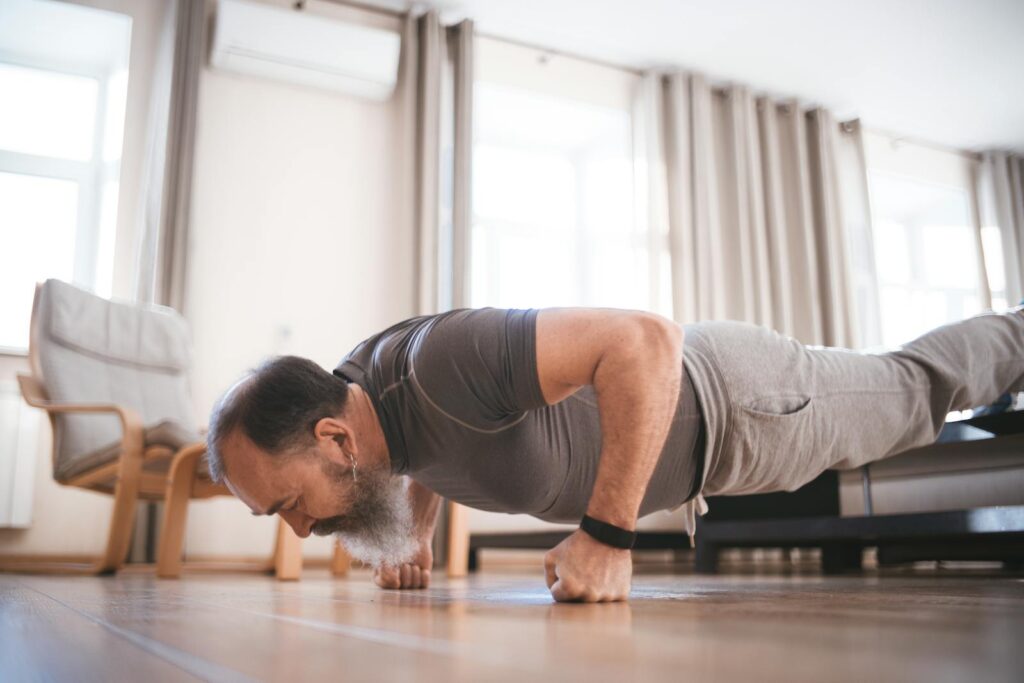
Imagine sitting in your favorite chair and feeling the soothing sensation of improved circulation coursing through your body. It’s a comforting thought, isn’t it? In today’s fast-paced world, many of us find ourselves seated for extended periods, whether at work or home, leading to a myriad of health issues caused by poor circulation. But what if I told you that relief could be found without ever leaving your chair? By harnessing the power of specific chair exercises, you can significantly enhance your circulation and, in turn, boost your overall well-being.
Dismissing the notion that exercise is synonymous with gyms or rigorous physical activity, chair exercises that actually improve circulation are emerging as game-changers. They not only cater to those who may find traditional exercise challenging due to mobility issues or time constraints but also offer an exciting opportunity for everyone to embrace better health from the comfort of their seat. As you delve into these innovative exercises, you’ll discover that enhancing circulation can be both effective and convenient, potentially transforming how you view fitness altogether.
Benefits of Chair Exercises for Circulation
Chair exercises that actually improve circulation offer a myriad of health advantages beyond what you might expect from seated movements. First and foremost, these exercises stimulate blood flow throughout your body. Improved circulation means oxygen and vital nutrients reach your muscles and organs more efficiently, reducing the risk of stiffness, discomfort, and chronic aches. For individuals who spend long hours sitting—whether at a desk or on a couch—incorporating targeted chair exercises can help counteract the pooling of blood in the lower extremities, which often leads to swelling and varicose veins.
Beyond physical comfort, enhanced circulation can elevate energy levels and mental clarity. When your cardiovascular system works more effectively, your body becomes better at removing metabolic waste and delivering glucose and oxygen to your brain. This can translate into sharper focus, improved mood, and even a boost in overall productivity. Additionally, these simple movements can be modified to suit various fitness levels and mobility restrictions, making chair exercises an accessible option for seniors, those recovering from injuries, or anyone looking to break up a sedentary routine.
Understanding the Importance of Circulation
Proper circulation is the foundation of good health, ensuring that every cell in your body receives the nutrients and oxygen necessary for optimal function. Blood vessels act as a complex highway network, transporting essential components to tissues and organs, while also removing carbon dioxide and waste products. When circulation slows, fatigue, muscle cramps, and diminished organ function can result. Over time, poor circulation has been linked to more serious conditions like cardiovascular disease, diabetes complications, and peripheral artery disease.
Age, sedentary lifestyles, and certain medical conditions can all impair circulation, but the good news is that even subtle changes—like adding chair exercises to your daily routine—can create significant improvements. By routinely engaging the muscles that surround veins and arteries, you essentially pump blood more vigorously, enhancing venous return and reducing stagnant blood flow. Understanding this principle underscores why chair exercises that actually improve circulation can be so transformative, offering both preventive and rehabilitative benefits without requiring specialized equipment or extensive time commitments.
Types of Chair Exercises to Improve Circulation
Chair exercises that actually improve circulation can be organized into four main categories: gentle stretching exercises, seated cardiovascular workouts, resistance training while seated, and breathing techniques. Each type serves a unique purpose in enhancing blood flow, from loosening tight muscles to elevating heart rate and strengthening the circulatory system.
Combining elements from all four categories ensures a well-rounded approach. Whether you’re at your office desk or relaxing in an armchair at home, mixing gentle stretches with short bursts of movement, light resistance, and mindful breathing maximizes circulation benefits while keeping your routine varied and engaging.
Gentle Stretching Exercises
Gentle stretching exercises are often the easiest way to kickstart better circulation from your chair. These stretches target areas that become tight and constricted during long periods of sitting, such as the hips, lower back, and shoulders. For example, ankle circles help stimulate blood flow in your calves, while seated hamstring stretches lengthen tight muscles at the back of the thighs, reducing tension and promoting venous return.
Another effective stretch is the seated spine twist. Simply sit up tall with feet flat on the floor, place your right hand on the back of the chair, and gently twist your torso to the right, holding for 15–20 seconds. Repeat on the left side. This movement not only helps release tension in the back but also opens up the rib cage, encouraging deeper breathing and improved oxygen exchange. Shoulder rolls are also invaluable; lifting and rolling the shoulders in a controlled motion loosens the upper back and neck, alleviating stiffness and enabling better circulation to the head and arms.
Consistency is key with gentle stretches. Aim to perform these motions every 30–60 minutes when seated for extended periods. Over time, you’ll notice decreased stiffness, enhanced joint mobility, and a pleasant sense of vitality as your circulation improves steadily.
Seated Cardiovascular Workouts
Seated cardiovascular workouts elevate your heart rate and get your blood pumping without requiring you to stand up. Low-impact seated jacks are particularly effective: start with your feet together and hands at your sides, then open legs wide while raising your arms overhead, mimicking traditional jumping jacks. Perform 10–15 reps to increase your heart rate and stimulate circulation through both the upper and lower body.
If you prefer a marching motion, try seated marches. While seated, lift one knee toward your chest and then lower it back down, alternating with the other leg. To intensify this exercise, engage your core and pump your arms in rhythm with each knee lift. You’ll feel a deep burn in the hip flexors and quads as your cardiovascular system works to supply oxygenated blood to active tissues.
For a more dynamic workout, incorporate fast-paced arm swings. Sit at the edge of your chair, extend both arms outwards, and swing them forward and backward rapidly for 30–45 seconds. These movements boost circulation in the shoulders and chest while also promoting coordination and full-body engagement. Remember to maintain good posture—sit tall, draw your shoulders down, and keep your core engaged throughout each exercise to maximize benefits and minimize strain.
Resistance Training While Seated
Resistance training while seated can be accomplished using resistance bands, light dumbbells, or even household items like water bottles. These exercises strengthen muscles, which in turn act as pumps that propel blood through your veins. One simple exercise is the seated leg press: tie a resistance band around your feet, hold the ends with your hands, and press your legs outward, extending against the band’s tension. This movement targets the quadriceps and glutes while enhancing circulation in the lower body.
Another effective option is the seated row with a resistance band. Loop the band around the legs of your chair, sit upright, and hold the band’s ends with both hands. Pull the band toward your torso, squeezing your shoulder blades together. This exercise not only strengthens the upper back but also promotes greater blood flow through the shoulders and arms. For those using dumbbells, bicep curls and overhead presses are ideal; perform 10–12 repetitions per set, focusing on slow, controlled movements to maximize muscle engagement and blood vessel stimulation.
As you progress, you can increase resistance or add more repetitions. Always listen to your body and ensure your movements remain smooth. Overloading too quickly may lead to strain or discomfort. By combining resistance training with proper breathing and posture, you’ll see improvements in muscle tone, joint health, and overall circulation.
Incorporating Breathing Techniques
Breathing techniques play a crucial role in optimizing circulation by regulating heart rate and enhancing oxygen exchange. Diaphragmatic breathing, for instance, involves inhaling deeply through your nose, allowing your abdomen to expand, then exhaling completely through pursed lips. This deep breathing pattern activates the diaphragm, improving oxygen saturation in your blood and reducing stress levels, which in turn supports healthier blood flow.
Box breathing, another powerful technique, consists of four equal phases: inhale for a count of four, hold for four, exhale for four, and hold again for four. Performing this cycle for 2–3 minutes brings mindfulness to your routine and stimulates the parasympathetic nervous system, helping to lower blood pressure and ease vascular tension. Pair these breathing exercises with gentle chair movements—like shoulder rolls or ankle circles—to boost circulation both mechanically and physiologically.
For the best results, practice breathing techniques two to three times daily, even when not exercising. Consistency fosters better lung capacity and cardiovascular function, ensuring that every chair exercise session delivers maximum circulatory benefit. As you become more adept, you’ll notice a sense of calm focus and an invigorated feeling of blood flowing smoothly throughout your body.
Monitoring Progress and Adjusting Exercises
Tracking your progress is essential to ensure that your chair exercises continue to deliver results. Start by noting how you feel before and after each session—pay attention to changes in stiffness, energy levels, and comfort in your limbs. You can also measure variables such as the number of repetitions, duration of each exercise, and perceived exertion on a scale of 1 to 10. Keeping a simple log or using a fitness app will help you identify trends and areas for improvement.
As your circulation improves and you grow more comfortable with each movement, it’s important to gradually increase the challenge. This might mean adding extra repetitions, extending the duration of cardiovascular bursts, or using heavier resistance bands. However, adjustments should be incremental to avoid overexertion or injury. If you experience unusual pain, dizziness, or excessive fatigue, scale back your intensity and consult a healthcare professional.
Tips for Consistency and Long-Term Results
Consistency is the cornerstone of any successful exercise regimen, including chair exercises that actually improve circulation. Begin by scheduling short exercise breaks throughout your day—set reminders on your phone or calendar to prompt you every 45–60 minutes. Even two to three minutes of gentle stretching or seated cardio can make a meaningful difference in maintaining steady blood flow.
Incorporate variety to keep your routine engaging and comprehensive. Rotate through gentle stretches, cardiovascular movements, resistance exercises, and breathing techniques to work different muscle groups and prevent boredom. Joining a virtual or in-person group can provide social accountability, making it easier to stick with your plan. Additionally, track your achievements—celebrating milestones like increasing your marching pace or performing more repetitions can boost motivation.
Finally, pair your exercise habit with healthy lifestyle practices such as staying hydrated, wearing supportive footwear if standing intermittently, and maintaining an upright posture. These complementary habits reinforce the positive effects of your chair workout sessions. Remember that small, consistent actions often yield the most sustainable results, so focus on building a routine you can maintain for the long haul.
Embracing Better Circulation Through Chair Exercises
Chair exercises that actually improve circulation offer a simple yet powerful way to enhance blood flow, reduce stiffness, and boost energy levels—all from the comfort of your seat. By integrating gentle stretches, seated cardio, resistance training, and breathing techniques into your daily routine, you can enjoy a healthier vascular system and greater overall well-being.
Commit to monitoring your progress, adjusting intensity gradually, and maintaining consistency. With patience and persistence, these accessible movements will transform how you approach fitness, proving that impactful exercise doesn’t always require a gym membership or hours of standing activity. Embrace these chair-based strategies to feel revitalized and energized, one seated session at a time.