
Exercise for Cancer Prevention

a woman on a stationary bike using a tablet

Outdoor Exercise vs Indoor Workouts: Which Offers Superior Cancer Protection

We live in an age where health has become our most precious commodity. With the modern world constantly bombarding us with stressors—be it environmental toxins or the sedentary demands of work—it’s essential to make deliberate choices about how we care for our bodies. One area of growing interest is the relationship between physical activity and cancer protection. Yet, as we lace up our sneakers, we’re left pondering: Is it the great outdoors that holds the key to better health, or can the comforts of an indoor gym offer just as much protection?

Imagine a brisk morning run under the open sky, the sunlight streaming through the trees, enriching your body with Vitamin D, known for its cancer-fighting properties. Contrast this with an indoor workout, where high-tech machines track every heartbeat and calorie burned, offering a controlled environment free from allergens and air pollutants. Both outdoor exercise and indoor workouts present unique advantages and challenges. In exploring “Outdoor Exercise vs. Indoor Workouts: Which Boosts Cancer Protection More?,” we delve into scientific studies, expert opinions, and real-life stories that reveal which might tip the scales in favor of cancer prevention. Join us as we unravel this intriguing debate, empowering you to make informed decisions about your health journey.

Outdoor Exercise vs Indoor Workouts: Which Offers Superior Cancer Protection Read More »

man and woman riding road bikes at the road near shore

Pedal Your Way to Health

Imagine a world where your health and longevity are enhanced with the simplicity of a bicycle. While many forms of exercise promise a fitter, healthier you, cycling offers a unique and joint-friendly approach to cardio that might just be the secret ingredient to a long, vibrant life. Often overlooked in favor of high-impact workouts, cycling provides a gentle yet powerful means of keeping your heart pumping and your joints safe. As the demands of daily life grow, finding an activity that harmonizes with your body’s needs without added strain becomes not just beneficial but essential.

Cycling for longevity seamlessly marries the joy of movement with significant health advantages, making it a standout choice for those seeking sustainable fitness. It’s not merely about pedaling on a bike; it’s an investment in your future well-being. Studies suggest a link between regular cycling and reduced risks of life-threatening conditions such as cardiovascular disease, diabetes, and even depression. As we dive into this post, you’ll discover why cycling might just be your ticket to enhanced health, and how it can effectively serve as a cornerstone of your wellness routine. Hop on and pedal your way to a longer, healthier life!

Pedal Your Way to Health Read More »

man jumping in the middle taken at daytime

How Rhythm Supports Immune Function

Imagine a world where the simple act of moving to a beat could transform your health, enhancing your body’s natural defenses. What if the key to a stronger immune system wasn’t found in a supplement bottle or a doctor’s prescription, but rather in the rhythms of your favorite music? While it may sound like a scene from a science fiction novel, an increasing body of research suggests a fascinating link between rhythm, dancing, and immune function. This isn’t just about feeling good in the moment—it’s about tapping into a lifestyle that promotes longevity and vitality.

Consider this: the very act of dancing can stimulate your body’s immune responses, reducing stress and boosting resilience to illness. As you sway, twirl, or even gently tap your feet to the music, you’re not just expressing joy; you’re supporting your body’s ability to fend off diseases. In a world brimming with challenges to our health, understanding how rhythm and movement can contribute to our well-being is more crucial than ever. So, lace up those dancing shoes as we delve into the science behind dancing for longevity and discover how rhythm supports immune function in ways you might never have imagined.

How Rhythm Supports Immune Function Read More »

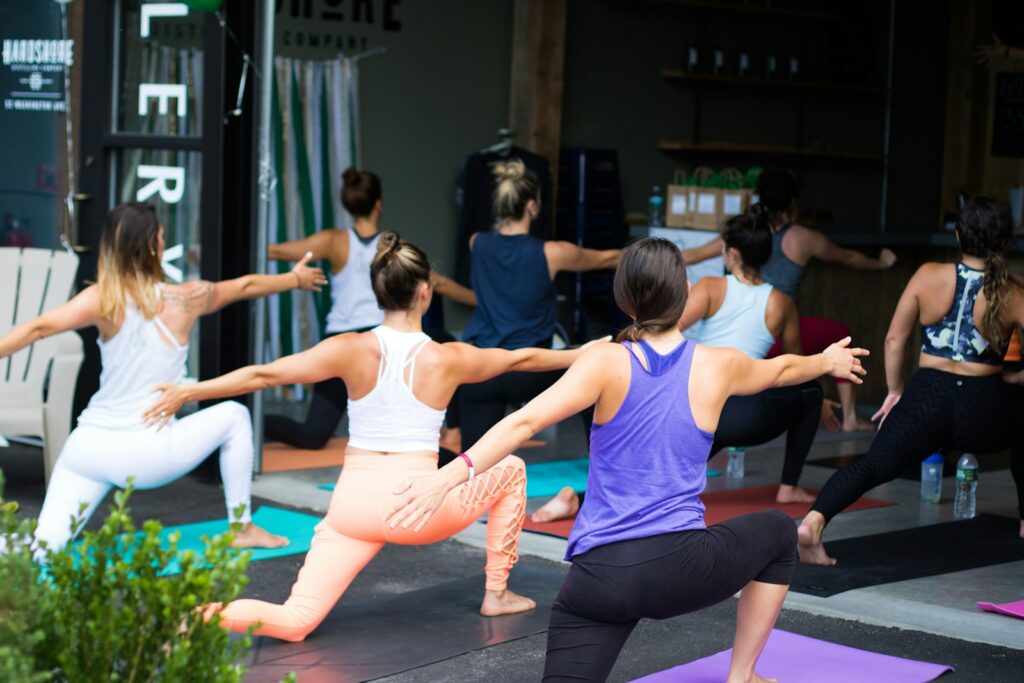
woman in white tank top and pink leggings doing yoga

Harness the Power of Yoga for Cancer Prevention

Imagine a world where the simple act of stretching could shield your cells from harm and bolster your defenses against one of the most dreaded diseases of our time. In an era where the search for preventive measures is relentless, the ancient practice of yoga offers a beacon of hope. As modern science delves deeper into the intricate relationship between lifestyle choices and cellular health, yoga emerges not just as a means of physical fitness but as a formidable ally in cancer prevention. Harnessing its power may just be the innovative stride we need towards a healthier future.

The mystique of yoga often lies in its ability to connect the mind, body, and spirit; however, recent studies reveal how this connection extends to a cellular level, influencing the health of our tissues. By integrating mindful practices and targeted stretches, yoga for cancer prevention isn’t merely theoretical—it’s a practical approach with tangible benefits. Whether you’re a seasoned yogi or new to the mat, understanding how these gentle movements and breath control can fortify our cellular health opens doors to a proactive lifestyle, safeguarding well-being in ways we’ve only begun to uncover.

Harness the Power of Yoga for Cancer Prevention Read More »

A woman walks down a sunlit path in summer, highlighting leisure and travel outdoors.

Why Low-Intensity Cardio Can Be Just as Powerful as High-Intensity Workouts

For many fitness enthusiasts, the assumption that “no pain, no gain” is the only path to success can be a misleading mantra. While high-intensity workouts have gained immense popularity for their quick calorie burn and adrenaline rush, there’s a less talked about but equally effective contender in the fitness arena: low-intensity cardio. Imagine achieving your fitness goals without the grueling sweat sessions that leave you utterly exhausted. Low-intensity cardio opens up a world where you can still reach peak fitness while enjoying every step of the journey.

Consider this: evidence increasingly supports the notion that low-intensity cardio can be a powerful tool for building endurance, promoting recovery, and even aiding weight loss, all while being gentle on your body. A leisurely walk in the park or a relaxed cycling session can seamlessly integrate into your daily life, making fitness a sustainable and enjoyable pursuit. This approach not only caters to those looking for a less strenuous workout but also provides a valuable alternative for people with joint concerns or those new to exercise. Dive into the world of low-intensity cardio, where balance, health, and fitness harmoniously coexist.

Why Low-Intensity Cardio Can Be Just as Powerful as High-Intensity Workouts Read More »