Exercise for Cancer Prevention

people exercising

The Role of Cardio in Cancer Prevention—How Much is Enough

The role of cardio in cancer prevention is one such influence that deserves attention. With the World Health Organization estimating that over 30% of cancers could be prevented by lifestyle changes, including regular physical activity, the stakes are undeniably high. Cardio—whether it’s running, cycling, or even brisk walking—has been shown to reduce certain cancer risks significantly. But just how much cardio do you need to make a difference?

Imagine a future where simple, intentional movements become your shield against one of the most feared diseases of our time. Emerging research suggests that the role of cardio in cancer prevention isn’t just a health trend but a vital component of lifelong wellness. However, while the benefits are clear, many find themselves at a crossroads: How much is enough? This blog post delves deep into current studies and expert recommendations, offering insights into crafting a cardio routine that aligns with your lifestyle and maximizes health benefits. Whether you’re a fitness enthusiast or a beginner, understanding the balancing act between exercise intensity and frequency could be your pivotal step towards a healthier, cancer-free life.

The Role of Cardio in Cancer Prevention—How Much is Enough Read More »

man running near sea during daytime

Understanding the Exercise Cortisol Cancer Link

In the battle against cancer, exercise is often hailed as a pillar of prevention and recovery, yet lurking beneath this universally accepted wisdom is a complex biochemical interplay that isn’t as straightforward. Welcome to “Understanding the Exercise-Cortisol-Cancer Link,” where we’ll unravel the intricate dance between physical activity, hormone levels, and cancer development. Did you know that while exercise can boost your immune system and improve overall well-being, it can also increase cortisol levels in the short term? This stress hormone, although crucial for our bodies’ fight-or-flight response, can have adverse effects when chronically elevated, making the exercise regimen’s design a critical aspect of mitigating potential cancer risks.

Navigating exercise routines becomes a balancing act of managing physical stress and optimizing health benefits. The science behind this link is both fascinating and crammed with practical insights that can empower you to make informed decisions about your health. By exploring how different types of exercise impact cortisol levels and subsequently influence cancer pathways, we aim to equip you with knowledge that could be pivotal in outlining a preventive or rehabilitative strategy. If you are eager to delve deeper into these mechanisms and understand how to tailor your exercise routine with precision, then this exploration is not just a read—it’s an essential guide for anyone wanting to harness the full potential of exercise in the context of cancer awareness and prevention.

Understanding the Exercise Cortisol Cancer Link Read More »

man in white tank top and black shorts doing push up during daytime

Stretching for Circulation and Lymph Flow Benefits

Have you ever felt sluggish or weighed down despite getting enough sleep and eating right? It might be your body’s way of hinting at the need for better circulation and lymph flow. Our lifestyles today often involve long hours sitting at desks or on couches, leading to restricted blood and lymph movement. This can leave your body feeling stagnant, much like a pond with no flowing water. The good news is that incorporating simple stretches into your daily routine can significantly enhance this essential bodily function, helping you feel rejuvenated and more energetic.

Studies show that stretching is not just about flexibility and muscle health but also plays a crucial role in promoting circulation and lymph flow. These improvements can lead to numerous health benefits, such as reducing inflammation, boosting immunity, and even improving mood. In this article, we will delve into the specific stretches that are most effective for this purpose and explain how they work their magic on your circulatory and lymphatic systems. Embark on this journey with us to discover how a few mindful movements can transform your overall well-being.

Stretching for Circulation and Lymph Flow Benefits Read More »

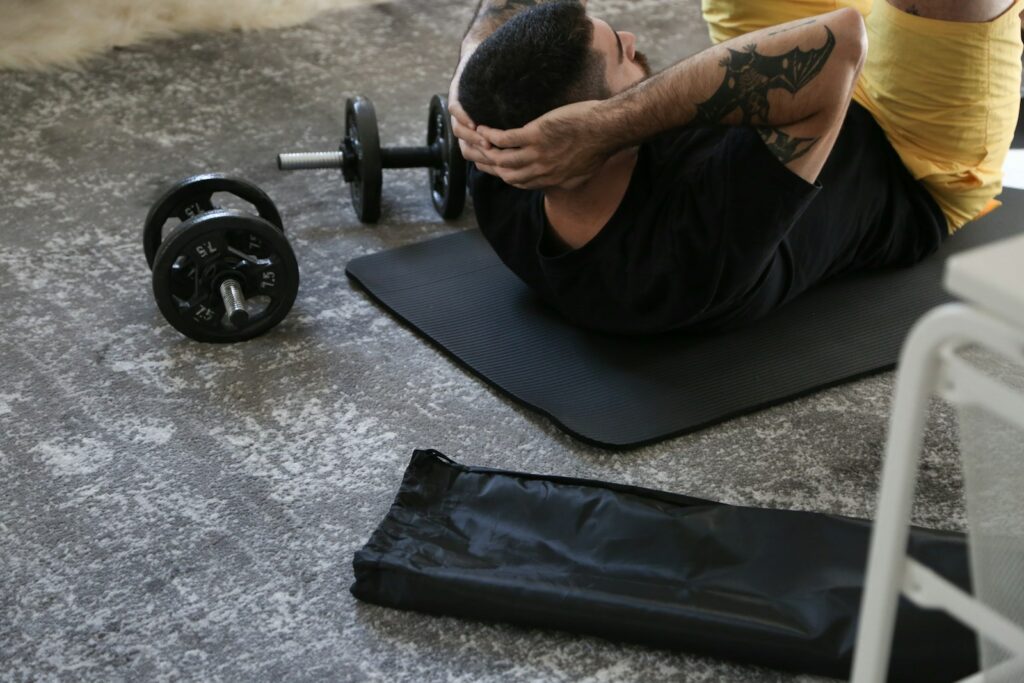
a man is doing exercises on a mat with a barbell

Discover the Best Home Workouts for Long-Term Health Success

In today’s fast-paced world, where fitness trends come and go faster than the seasons, finding a sustainable workout routine can feel like searching for a needle in a haystack. Yet, amid this chaos, many are beginning to realize the incredible potential of home workouts in achieving long-term health success. The convenience of exercising at your own pace, in the comfort of your living room, is not only appealing but also increasingly recognized as an effective way to maintain a healthy lifestyle. Transitioning from occasional exercise to a consistent routine can be transformative, offering benefits that extend far beyond physical appearance.

Imagine transforming your living room into a personal sanctuary of wellness—a place where you can achieve your fitness goals without the hassle of commuting to a gym or investing in expensive equipment. Home workouts have evolved significantly, providing diverse and accessible options for people of all fitness levels. Whether you’re a busy parent juggling work and family life or someone simply seeking a more adaptable fitness plan, discovering the best home workouts to support long-term health can truly be a game-changer. This post will guide you through the most effective routines that promise not just quick results but enduring health benefits, empowering you to take control of your fitness journey right from home.

Discover the Best Home Workouts for Long-Term Health Success Read More »

Bolster Immunity and Lifespan with Resistance Training

Many of us are familiar with the idea that exercise is good for us, but have we truly considered how specific exercises like resistance training can dramatically influence our immunity and longevity?

Recent studies reveal a compelling connection between consistent resistance training and enhanced immune function. This form of exercise triggers a cascade of positive effects within the body: boosting white blood cell production, enhancing cell regeneration, and even improving metabolic balance. As a result, individuals who engage in resistance training regularly may find themselves not only enjoying stronger physiques but also experiencing fewer sick days and a promising increase in lifespan. Embark on this exploration to discover how integrating resistance training into your routine can be a game-changer for both your health and future.

Bolster Immunity and Lifespan with Resistance Training Read More »