
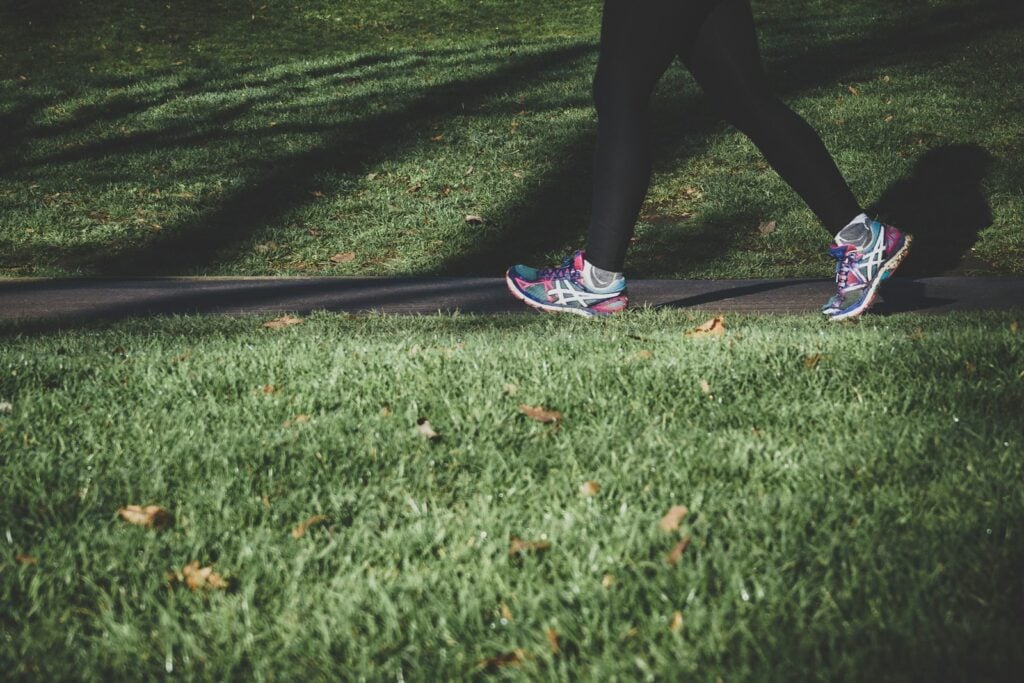
shallow focus photography of person walking on road between grass

Is Walking Enough to Reduce Cancer Risk

Every step you take doesn’t just move you forward physically—it may also be a crucial part of a robust health strategy. In an age where sedentary lifestyles are increasingly linked to various health issues, the simple act of walking emerges as both accessible and powerful. With mounting scientific evidence suggesting that regular walking can play a key role in reducing cancer risk, this low-impact exercise presents itself as more than just a leisurely activity. Consider the fact that walking for as little as 30 minutes a day, five times a week, could significantly improve your overall well-being and contribute to lowering the risk of certain cancers.

But can such a straightforward exercise indeed serve as a knight in shining armor against one of the most formidable diseases of our time? Is walking enough to reduce cancer risk effectively, or are we underestimating the complexity of cancer prevention? This blog post delves into the latest research, exploring how walking could potentially serve as a cornerstone in your health regimen. By examining the interplay between physical activity and cancer, we aim to uncover whether putting one foot in front of the other might be a simple yet potent shield against cancer.

Is Walking Enough to Reduce Cancer Risk Read More »
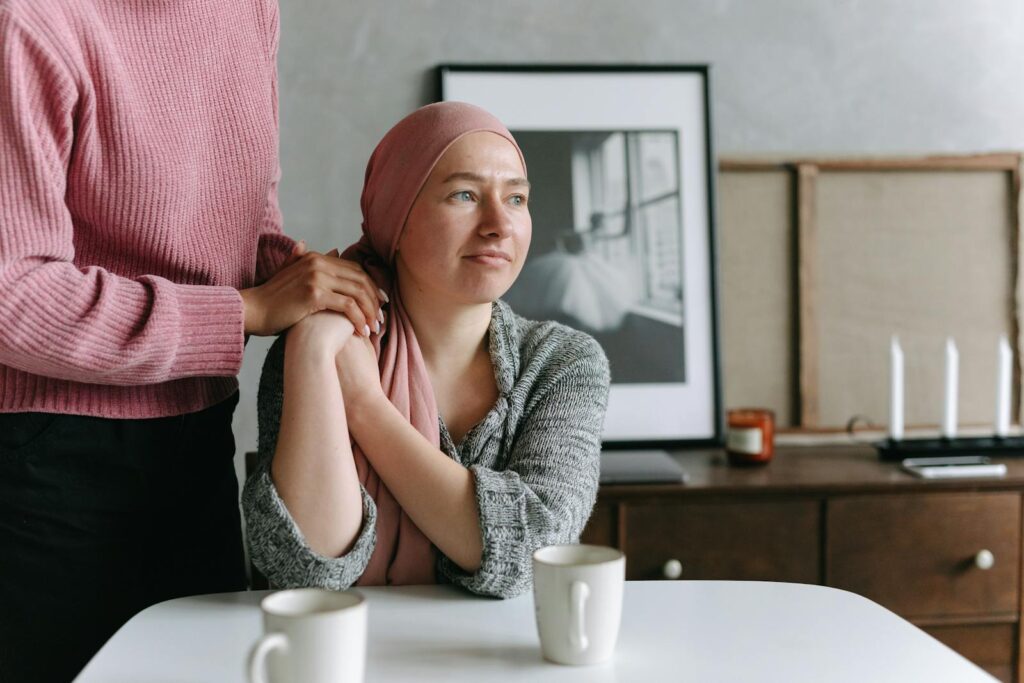
A supportive moment indoors featuring a cancer patient comforted by a friend, conveying emotion and care.

Real People, Real Results: 3 Success Stories from Active Cancer Survivors

Real people, real results—these are not just catchphrases but a testament to the strength of the human spirit in the face of one of life’s most challenging adversaries. The following stories transcend mere survival; they are about redefining what’s possible after cancer. As you journey through this post, prepare to be inspired by three individuals who not only battled the disease but emerged victorious, transforming their experiences into catalysts for change and hope.

These stories do not exist in hospital corridors alone; they resonate in marathons run by cancer survivors who once thought they’d never walk again, in community centers where they now lead wellness classes, and even in kitchens where they whip up nourishing meals to fuel their new lease on life. Active cancer survivors are rewriting the script, showing the world that the end of treatment is not an end at all but a new beginning. From the vibrant pulse of daily exercise regimes to advocacy that inspires widespread change, meet the heroes who refuse to let cancer define them. Their journeys are as diverse as they are encouraging, offering insights not just on surviving, but truly thriving.

Real People, Real Results: 3 Success Stories from Active Cancer Survivors Read More »

A couple carrying boxes and plants while moving; woman enjoys greenery.

Gardening, Hiking, and Housework: Real-Life Ways to Move More and Live Longer

In an age where technology has made life easier yet more sedentary, the search for ways to incorporate physical activity into our daily routine becomes increasingly vital. It’s not just about staying fit; it’s about ensuring a richer, longer life filled with vitality and joy. While the thought of hitting the gym might feel daunting or mundane to some, what if you could transform everyday activities into stepping stones towards longevity? Imagine weaving the art of gardening, the thrill of hiking, and even the seemingly mundane task of housework into your life as not just chores or hobbies, but as powerful tools for enhancing well-being. These activities hold the secret to moving more without the need for expensive equipment or memberships, while simultaneously enriching your life in unexpected ways.

Gardening, hiking, and housework are not just simple tasks; they’re gateways to a healthier lifestyle and a more resilient body. Each offers its own unique form of exercise, mental clarity, and connection to the world around us. Picture yourself planting seeds in your garden; it’s not just about nurturing plants, but also nurturing your own health. The rhythmic pull of weeds is a perfect way to bolster your strength and flexibility. Or, imagine the invigorating challenge and thrill of a hike, where every step up a steep trail strengthens your heart and clears your mind. Even the act of sweeping or vacuuming can be reframed as a cardio workout that elevates your heart rate and boosts your mood. By embracing these real-life ways to move more, you’re not only engaging with activities that add years to your life but also life to your years, making every day a meaningful step on your journey toward longevity.

Gardening, Hiking, and Housework: Real-Life Ways to Move More and Live Longer Read More »

A group of runners participating in an outdoor street marathon wearing athletic gear.

Walking vs. Running: Which Is Better for Cancer Prevention?

In the symphony of life, our bodies serve as both the instruments and the musicians, playing a complex melody that can often be altered by the choices we make every day. As rhythm guides a song, so too can regular physical activity guide us toward a healthier existence. But when it comes to reducing our risk of cancer, a looming question emerges from health enthusiasts and researchers alike: in the grand scheme of movement, is a gentle walk more beneficial than an intense run? The answer isn’t as clear-cut as you might think. The debate of “Walking vs. Running: Which Is Better for Cancer Prevention?” is not just about selecting a pace; it’s about understanding how each form of exercise uniquely interacts with our body’s defenses.

Imagine lacing up your shoes, ready to embrace nature’s finest trails, or perhaps the bustling city streets, pondering which path might shield you from the clutches of this dreaded disease. While walking and running both present myriad health benefits, they differ in intensity, impact, and the way they affect our body’s biology. For some, the meditative stride of a walk offers a daily reprieve, lowering stress levels and promoting heart health, which are key in cancer prevention. For others, the pounding rhythm of a run invigorates, boosting metabolism and hormone regulation. As we embark on an exploration of these two forms of exercise, we’ll uncover scientific insights and personal anecdotes, weaving together a narrative that highlights the nuances of walking versus running and their roles as potential allies in the fight against cancer.

Walking vs. Running: Which Is Better for Cancer Prevention? Read More »

Group of hikers trekking on a rugged mountain trail in Oregon's scenic outdoors.

What Most People Get Wrong About Fitness and Cancer Risk

It’s a common belief that if you’re fit, you’re automatically shielded from the clutches of serious illnesses like cancer. This notion is so deeply embedded in our collective consciousness that it practically echoes through gym walls and resonates in our daily routines. Yet, what if this widely accepted belief held a few surprises beneath its surface? What if the story of fitness and cancer risk was far more intricate than we’ve been led to believe? As we navigate the complex landscape of health, it’s time to unravel the myths and misconceptions surrounding this crucial topic, and redefine our understanding of the connection between staying active and staying healthy.

Fitness is often heralded as a key pillar of a healthy lifestyle, but when it comes to its role in cancer prevention, the narrative is not as straightforward as it seems. While the benefits of exercise are undeniable—from boosting mental health to improving cardiovascular function—their impact on cancer risk is shrouded in half-truths and oversimplifications. Strap in, as we delve into the nuances of what most people get wrong about fitness and cancer risk. We’ll uncover the latest scientific insights that challenge conventional wisdom, illuminate lesser-known factors at play, and empower you with a clearer, more informed perspective on how to truly harness the power of fitness in the fight against cancer.

What Most People Get Wrong About Fitness and Cancer Risk Read More »