
Cancer Prevention Myths Debunked

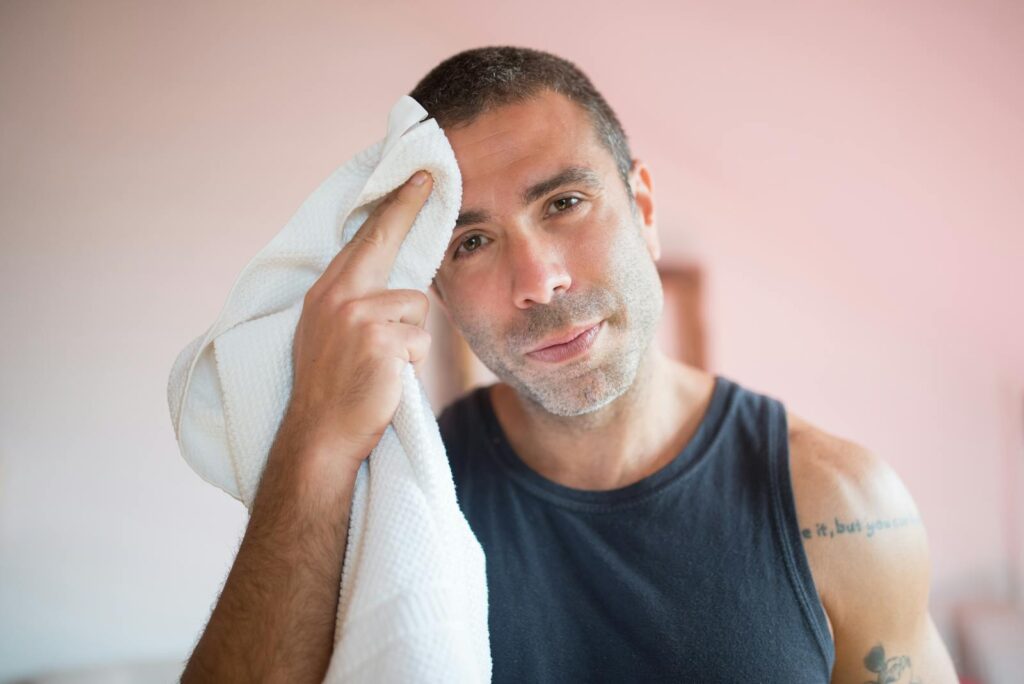
A man wipes sweat with a towel indoors, showcasing post-exercise relaxation.

Does Your Workout Count Without Sweat

Many people associate a good workout with breaking a sweat. That familiar damp shirt might feel like a badge of honor, evidence of hard work and calories burned. But what if sweating isn’t the definitive measure of an effective workout? In this age of fitness apps and tracking devices, it’s easy to focus on metrics like heart rate and steps, but there’s a growing conversation around whether sweat is the ultimate indicator of movement’s value. Uncovering the relationship between effort and perspiration can transform how we perceive physical activity.

Imagine completing a yoga session or a brisk walk and feeling accomplished, yet questioning if it counts because there’s no sweat dripping off your forehead. The truth is, whether you need to sweat for movement to count is a nuanced topic. From medical insights to personal stories of fitness enthusiasts who swear by non-sweaty activities, understanding the science behind sweat and its relation to our fitness goals might just change your outlook on exercise altogether. Dive in as we explore the truths and myths of working out without glistening proof.

Does Your Workout Count Without Sweat Read More »

Senior man with beard reading a newspaper on a wooden bench in a sunny park setting.

Debunking the “I’m Too Old to Start” Myth

Have you ever caught yourself thinking, “I’m too old to start”? This limiting belief has likely held many back from pursuing passions or career changes, convincing them their time for new beginnings has passed. Yet, when explored, this myth begins to unravel, showing that age is less of a barrier and more of a social construct. In this blog post, we’re diving into the art of debunking the “I’m too old to start” myth, challenging the stereotypes that have long dictated life’s timelines.

Consider the stories of individuals who defied these expectations—like the 70-year-old who ran her first marathon or the retired couple who launched a thriving business in their golden years. These are not just exceptions but evidence of a growing trend where experience and wisdom bring a unique edge to new ventures. Let’s explore how life’s journey, regardless of age, equips us with invaluable skills and insights, proving that the best time to start something new is whenever you decide it is.

Debunking the “I’m Too Old to Start” Myth Read More »

Group of hikers trekking on a rugged mountain trail in Oregon's scenic outdoors.

What Most People Get Wrong About Fitness and Cancer Risk

It’s a common belief that if you’re fit, you’re automatically shielded from the clutches of serious illnesses like cancer. This notion is so deeply embedded in our collective consciousness that it practically echoes through gym walls and resonates in our daily routines. Yet, what if this widely accepted belief held a few surprises beneath its surface? What if the story of fitness and cancer risk was far more intricate than we’ve been led to believe? As we navigate the complex landscape of health, it’s time to unravel the myths and misconceptions surrounding this crucial topic, and redefine our understanding of the connection between staying active and staying healthy.

Fitness is often heralded as a key pillar of a healthy lifestyle, but when it comes to its role in cancer prevention, the narrative is not as straightforward as it seems. While the benefits of exercise are undeniable—from boosting mental health to improving cardiovascular function—their impact on cancer risk is shrouded in half-truths and oversimplifications. Strap in, as we delve into the nuances of what most people get wrong about fitness and cancer risk. We’ll uncover the latest scientific insights that challenge conventional wisdom, illuminate lesser-known factors at play, and empower you with a clearer, more informed perspective on how to truly harness the power of fitness in the fight against cancer.

What Most People Get Wrong About Fitness and Cancer Risk Read More »

Broader Topics Related to Cancer Prevention

Preventing cancer involves more than periodic health screenings and medical interventions; it requires adopting a holistic lifestyle that supports overall well-being. From the food on your plate to the amount of sleep you get at night, every choice plays a role in shaping your body’s resilience against disease. The interconnectedness of nutrition, movement, stress management,

Broader Topics Related to Cancer Prevention Read More »