Kjell Kjellevold

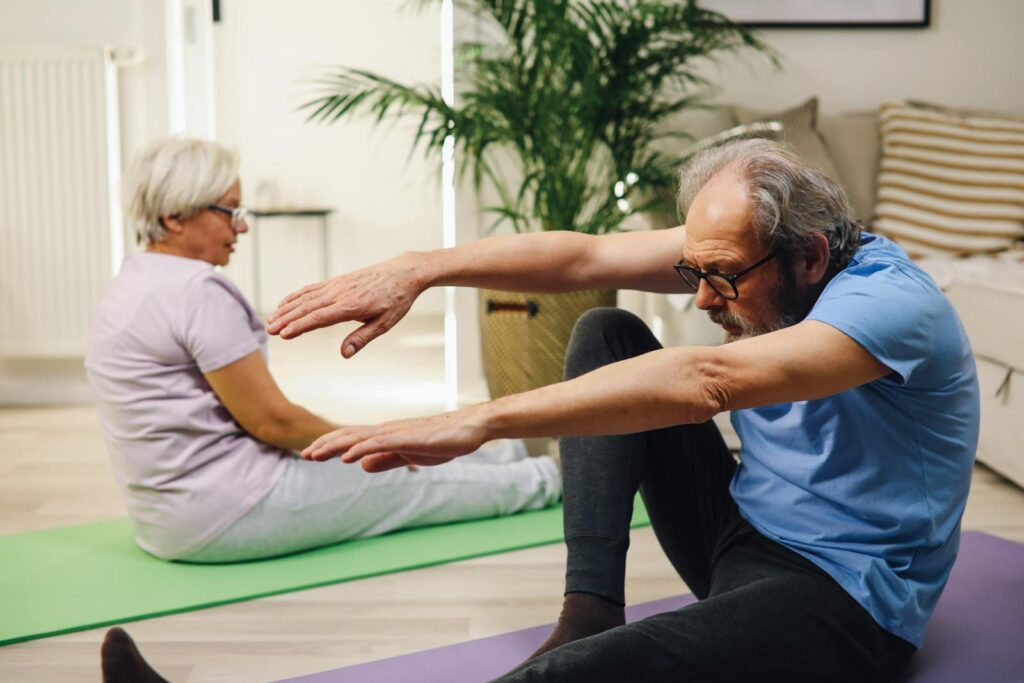
Elderly couple practicing yoga indoors with focus on wellness and fitness.

Revitalize Aging Muscles and Joints with Effective Mobility Boosters

Aging is an inevitable part of life, but the aches and stiffness that often accompany it don’t have to be. Imagine greeting each day, not with a groan as you get out of bed, but with a sense of revitalized energy in every step. This might sound like a dream, but it’s entirely achievable with the right approach. As our muscles and joints mature, they require more care and attention. Mobility boosters for aging muscles and joints can transform how we move, feel, and enjoy our daily routines, turning back the clock on discomfort and inflexibility.

In a world where many resign themselves to a decline in physical capabilities as just another aspect of growing older, there’s compelling evidence to suggest that keeping active and adopting strategic mobility practices can vastly enhance our quality of life. Recent studies show that simple changes in lifestyle can dramatically impact muscle health and joint flexibility. Explore how small yet effective adjustments, tailored exercises, and mindful practices can become your allies in staying vibrant and dynamic at any age. Dive into our guide and discover the keys to maintaining strength and fluidity as the years go by, ensuring you remain as active and engaged with life as you’ve always been.

Revitalize Aging Muscles and Joints with Effective Mobility Boosters Read More »

Confident woman in activewear performing lunges in an urban skate park with graffiti backdrop.

Exploring the Link Between Functional Fitness and Cancer Risk

When it comes to our health, the decisions we make today can have far-reaching consequences. Imagine a world where your exercise routine might not only help you build strength and flexibility but also play a role in reducing your risk of cancer. Intrigued? This emerging perspective on functional fitness is not just about improving daily performance and mobility; it’s about exploring a profound connection between the way we move and our long-term well-being. Functional Fitness and Cancer Risk: What’s the Connection? It’s a question that challenges traditional notions of fitness, inviting us to consider the deeper impacts of our physical activities.

Recent studies have highlighted an exciting correlation between functional fitness routines and a decreased risk of certain cancers. This doesn’t mean we’ve found a magical cure or a one-size-fits-all answer, but it does open up a fascinating dialogue about prevention and lifestyle choices. As we delve into the science behind this connection, we’ll unravel how specific exercises may contribute to healthier cells and better immune function. So, if you’re passionate about proactive health strategies, or are simply curious about the intricate dance between exercise and disease prevention, this exploration is for you.

Exploring the Link Between Functional Fitness and Cancer Risk Read More »

A woman enjoying a yoga stretch indoors, promoting a healthy lifestyle.

Movement as Medicine, The New Cancer Prevention Prescription

For decades, we have been searching for the perfect prescription to ward off cancer. We’ve looked to groundbreaking research, new medications, and advanced technologies, but what if the secret was within us all along? “Movement as Medicine” is gaining recognition as a revolutionary approach to cancer prevention, turning our everyday activities into powerful tools against disease. Imagine discovering that the simple act of moving more, whether through walking, dancing, or gardening, could significantly reduce your cancer risk. This concept not only challenges the traditional confines of medicine but also empowers you to take control of your health in an accessible and sustainable way.

In recent studies, the evidence is compelling: consistent physical activity can lower the risk of certain cancers by up to 40%. This staggering statistic is a wake-up call, urging us to reconsider how we incorporate movement into our lives. Unlike traditional prescriptions that can feel daunting or even inaccessible, viewing movement as medicine offers a practical and engaging means to enhance wellbeing. This blog post will delve into the science behind this innovative strategy, explore practical ways to integrate more movement into your daily routine, and inspire you with real-life stories of individuals who have transformed their health. Prepare to explore how movement might just be the most powerful, yet underutilized, tool in cancer prevention today.

Movement as Medicine, The New Cancer Prevention Prescription Read More »

A muscular man running on sandy terrain under cloudy skies, promoting fitness and adventure.

Unveiling How Movement Affects Hormone Sensitive Cancers

The power of movement is often underestimated, particularly when it comes to its impact on our health. Yet, for those battling hormone-sensitive cancers, embracing an active lifestyle might hold unexpected benefits. This isn’t merely about maintaining physical fitness or enhancing mental well-being; it’s about potentially altering the course of a disease that affects millions worldwide. Exploring how movement affects hormone-sensitive cancers offers a promising perspective that not only challenges conventional treatment approaches but also empowers individuals to actively participate in their healing journey.

Scientific studies have begun to unravel the intricate relationship between physical activity and cancer progression, opening up new avenues for research and hope. Imagine the possibility of leveraging something as accessible as regular movement to influence biological processes at a cellular level. In this blog post, we delve into this burgeoning field of study to uncover the ways in which exercise could modulate hormone levels, potentially inhibiting cancer growth and offering a beacon of hope for patients and their families. Prepare to discover how some simple changes in your daily routine might just be a game-changer in the fight against hormone-sensitive cancers.

Unveiling How Movement Affects Hormone Sensitive Cancers Read More »

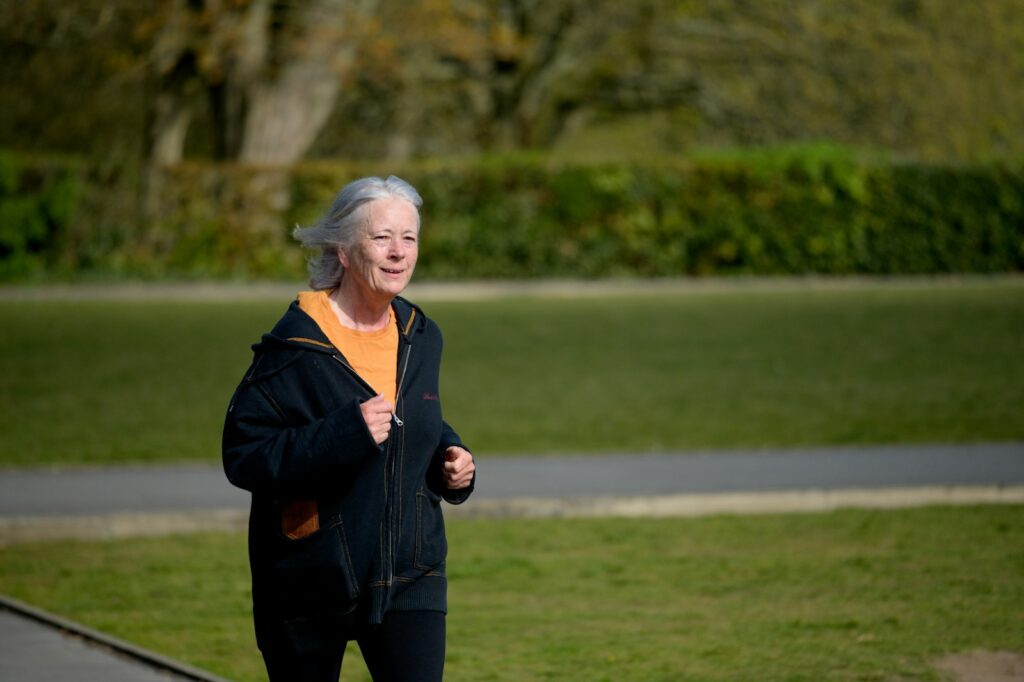
an older woman is jogging in the park

How to Encourage Elderly Family Members to Move More with Ease

As we watch our elderly family members grow older, witnessing them become less active can be both concerning and heart-wrenching. A sedentary lifestyle can lead to a host of health issues, from decreased mobility to heightened risk of chronic diseases. However, encouraging our loved ones to move more doesn’t have to feel like an uphill battle. With the right approach, it can be as simple as incorporating gentle activities into their daily routine, making the experience enjoyable rather than burdensome. This blog post is here to guide you on how to encourage elderly family members to move more, ensuring they maintain their independence and enjoy a better quality of life.

Movement is not just a physical necessity; it’s a pathway to happiness and vitality, especially in our later years. Studies show that even moderate physical activity can significantly enhance mood and cognitive function among seniors. By engaging elderly family members in movements that spark joy or purpose—whether it’s a morning walk through a favorite park or a light gardening session—you’re not only helping them stay fit but also enriching their emotional well-being. As we delve into practical strategies and creative ideas, let’s explore how we can make moving more a delightful and manageable part of their lives.

How to Encourage Elderly Family Members to Move More with Ease Read More »