
Expert Insights & Research

man in white and blue striped shirt and black pants standing on brown sand near body

What Scientists Are Discovering About Light Exercise and Cancer Prevention

In a world where the hustle to maintain health and wellness often feels overwhelming, there’s a refreshing glimmer of hope that doesn’t involve hours of grueling workouts or restrictive diets. Imagine if a gentle stroll through your neighborhood or a leisurely bike ride could play a pivotal role in safeguarding you against one of the most feared diseases: cancer. Recent scientific research is shedding light on this very possibility, offering insights that could transform our approach to cancer prevention. By focusing on light exercise, scientists are uncovering a powerful ally in the fight against cancer—a revelation that might just inspire you to lace up and step outside.

As the research unfolds, it becomes increasingly evident that incorporating light exercise into your daily routine could be a game-changer for long-term health. With studies revealing that even mild physical activity can significantly reduce cancer risk, this discovery challenges the traditional perception that only vigorous workouts yield substantial benefits. The implications of these findings are profound, potentially redefining how we view exercise and its role in disease prevention. It’s an encouraging reminder that even small changes can lead to significant health rewards, bringing us one step closer to a healthier, cancer-free future.

What Scientists Are Discovering About Light Exercise and Cancer Prevention Read More »

Side view of a young woman jogging on a beach wearing pink active wear.

Daily Exercise: Insights from Top Oncologists Revealed

Every day, millions of people lace up their sneakers and hit the gym, jog around the neighborhood, or jump into home workout routines. But beyond the obvious benefits of increased strength and stamina, have you ever stopped to consider what daily exercise might mean for more complex health concerns? In recent years, a wave of groundbreaking research has begun to shine a spotlight on the profound impact of regular physical activity on cancer prevention and recovery. What might surprise you, however, is the source of these insights: leading oncologists who are now championing daily exercise as a powerful tool in both protecting and healing our bodies.

Incorporating the wisdom of top oncologists, this discussion delves into the intricate ways that consistent physical activity can influence cancer outcomes. Armed with data and experiences from clinical settings, these experts reveal how exercise not only strengthens the body’s defenses but also enhances the efficacy of various treatments. As you navigate the complexities of maintaining long-term health, understanding what leading oncologists say about daily exercise could be the key to unlocking a life brimming with vitality and resilience. Join us as we explore these vital insights and discover actionable steps you can take today to harness the transformative power of exercise.

Daily Exercise: Insights from Top Oncologists Revealed Read More »

Close-up of a person lifting a barbell in an indoor gym, focusing on strength training.

Understanding the Exercise-Cortisol-Cancer Link

In recent years, the intricate dance between exercise, cortisol levels, and cancer risk has captured the attention of health enthusiasts and researchers alike. Exercise has long been hailed for its myriad benefits, from enhancing cardiovascular health to boosting mental well-being. Yet, the conversation takes a compelling turn when we consider how exercise may influence cortisol, a hormone commonly known for its role in stress response, and its potential impact on cancer development. Understanding the Exercise-Cortisol-Cancer Link unravels a complex narrative where our daily fitness routines might intersect with long-term health outcomes in ways we are only beginning to comprehend.

Delving into this topic, we find ourselves at the crossroads of groundbreaking studies and evolving scientific thought. Elevated cortisol levels, typically associated with chronic stress, have been linked to various health issues, including cancer. However, paradoxically, the right exercise regimen might modulate cortisol in a manner that actually reduces cancer risk rather than exacerbating it. Harnessing the power of exercise to manage cortisol levels effectively could be a key strategy in the fight against cancer. Join us as we explore how this fascinating link might redefine our approach to fitness and health, offering hope for a future where exercise becomes a pivotal part of cancer prevention strategies.

Understanding the Exercise-Cortisol-Cancer Link Read More »

The Microbiome Movement and Immune Function Revolution

In recent years, a scientific revolution has been quietly brewing, reshaping our understanding of health and wellness from the inside out. The Microbiome Movement is at the forefront of this paradigm shift, uncovering the intricate relationship between our body’s internal ecosystem and its external resilience. While it might sound like the realm of microbiologists, the implications are vast and touch each one of us. Imagine trillions of microscopic inhabitants living harmoniously within us, playing a crucial role in warding off illnesses, maintaining balance, and even influencing our mood and energy levels. This isn’t science fiction; it’s the burgeoning reality of how the microbiome, movement, and immune function are interconnected in ways we are only just beginning to comprehend.

As we delve into this fascinating frontier, consider this: could nurturing our gut microbiota be the key to unlocking enhanced immunity and overall health? Recent studies suggest that the microorganisms residing in our digestive tract could be as significant to our health as organs like the heart or lungs. By understanding and harnessing the power of these tiny allies, we may be on the brink of an immune function revolution. Join us as we explore this groundbreaking field, revealing how these microscopic marvels could revolutionize the way we approach immunity, wellness, and disease prevention in the modern world.

The Microbiome Movement and Immune Function Revolution Read More »

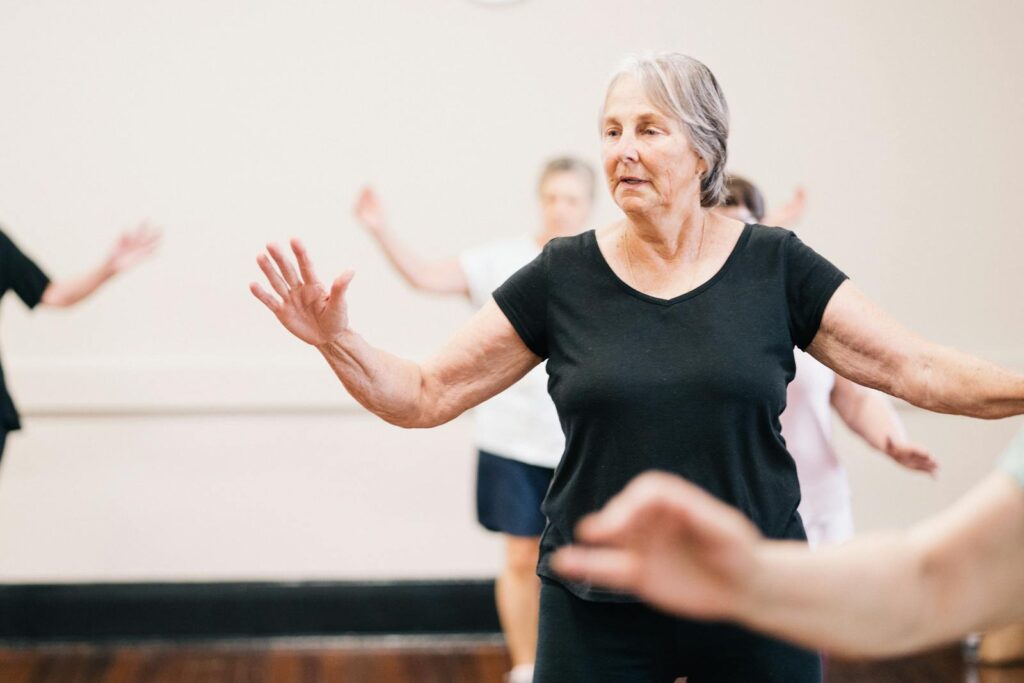
Elderly women enjoying a fitness group exercise session indoors.

Why Movement Affects Cell Repair and Aging Profoundly

Have you ever marveled at the energy and resilience of children as they dash around, seemingly powered by an endless reserve of vitality? What if the secret to maintaining that youthful vigor well into adulthood isn’t hidden in elaborate routines or expensive supplements, but rather, in something as simple as movement? We often overlook how our daily activities—walking, stretching, even fidgeting—play a crucial role in cellular health and longevity. This blog post delves into the fascinating science behind why movement affects cell repair and aging, revealing insights that could transform your understanding of aging itself.

Recent studies have shown that regular physical activity can dramatically slow down the aging process at a cellular level, enhancing repair mechanisms and boosting overall health. It’s not merely about keeping fit or shedding pounds; it’s about setting the stage for your cells to function optimally, reducing the wear-and-tear that comes with time. By understanding how movement influences cell biology, we can harness its power to promote a longer, healthier life. Whether you’re a fitness enthusiast or someone seeking inspiration to get moving, this exploration could be the key to unlocking a more vibrant future.

Why Movement Affects Cell Repair and Aging Profoundly Read More »