
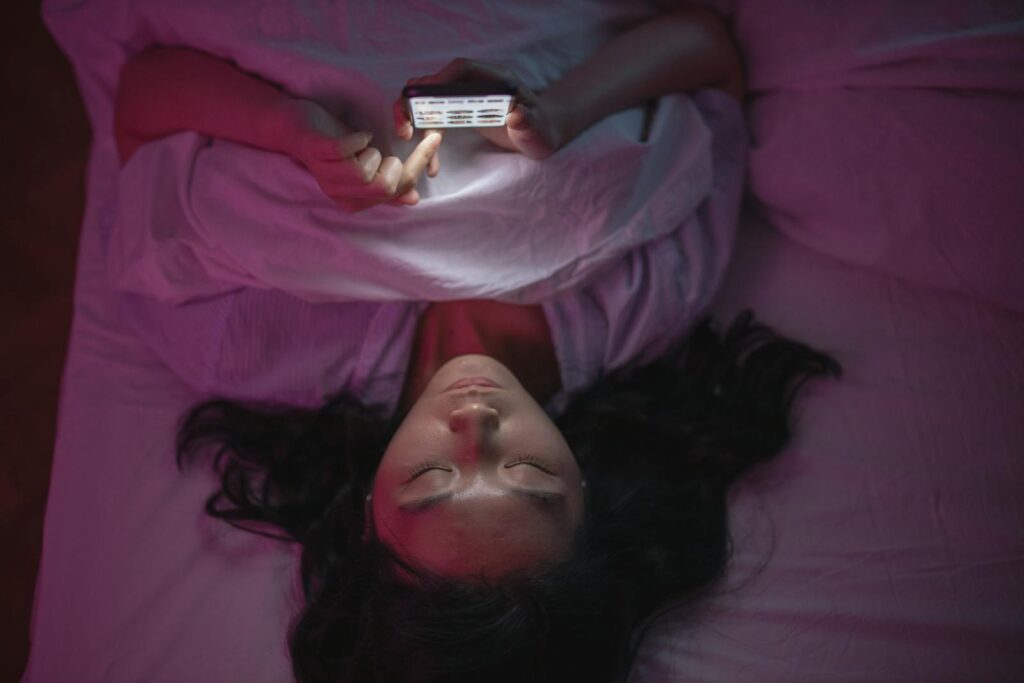
From the moment we wake up to the time we lay down to sleep, screens are ever-present companions. But what if this constant exposure was linked to something more sinister? While we’ve long known the effects of screen time on our mental health and sleep cycles, recent research suggests a more alarming connection: the potential link between screen time and cancer risk. With technology advancing at an unprecedented rate, it’s crucial to shed light on how our daily habits could impact our long-term health.
Imagine this: You’re sitting in front of your computer, perhaps reading this very blog post or scrolling through your favorite social media platform. Now, consider the hours spent in similar positions each day, and how these might accumulate over the years. The link between screen time and cancer risk is not just a narrative spun from fear but a growing field of study that demands our attention. As we delve into this topic, understanding the dynamics of this relationship can empower us to make informed choices about our digital lives and overall well-being.
Let’s explore the intricate web of factors contributing to this health concern and uncover strategies to mitigate potential risks.
The Impact of Blue Light Emission
Blue light—wavelengths between 380 and 500 nanometers—emitted by LEDs, smartphones, tablets, and computer monitors penetrates the eye more deeply than other visible light. While short bursts aren’t inherently dangerous, chronic exposure can induce oxidative stress in retinal cells. Over time, this cellular stress can compromise DNA repair mechanisms, leading to mutations that may increase cancer risk in ocular tissues. Laboratory studies on animal models have demonstrated that prolonged blue light exposure accelerates retinal degeneration, hinting at potential links to malignancies in ocular and brain tissues.
Beyond direct cellular damage, blue light disrupts melatonin production by suppressing the pineal gland’s nighttime signals. Melatonin is not only a sleep regulator but also an antioxidant with oncostatic properties. Diminished melatonin levels have been associated with higher rates of hormone-dependent cancers, such as breast and prostate cancer. Understanding The Link Between Screen Time and Cancer Risk begins with acknowledging how blue light influences both genetic integrity and hormone regulation.
By reducing late-night exposure or employing blue-light filters on devices, we can lessen oxidative stress and preserve melatonin’s protective effects.
Screen Time and Disrupted Circadian Rhythms
The human body follows a roughly 24-hour cycle—our circadian rhythm—governed by light and dark signals. Artificial light from screens at night tricks the brain into perceiving daytime, delaying the release of melatonin and shifting circadian phases. Chronic misalignment of this clock disrupts sleep architecture, impairs immune surveillance, and alters gene expression linked to cell division and apoptosis. Researchers have shown that shift workers with irregular sleep schedules carry an elevated risk of colorectal, breast, and prostate cancers.
When circadian genes such as PER and CRY are dysregulated by nocturnal screen exposure, cell cycle checkpoints can fail, allowing damaged cells to proliferate unchecked. Immune cells, normally more active during restful sleep, become less effective at identifying and destroying precancerous cells. By understanding how screens interfere with our internal clock, we gain critical insight into preventing malignancies. Minimizing screen time before bed and adopting “dark hours” can realign circadian rhythms and strengthen natural cancer defenses central to the conversation on The Link Between Screen Time and Cancer Risk.
Potential Carcinogenic Effects of Prolonged Screen Exposure
While digital screens emit very low levels of electromagnetic radiation compared to other sources, the cumulative effects of long-term exposure require closer scrutiny. Studies have tentatively linked radiofrequency radiation to increased oxidative stress, DNA strand breaks, and chromosomal aberrations in exposed cells. Over years of heavy device use, these subtle molecular changes may accumulate, potentially heightening the likelihood of malignant transformations, particularly in tissues closest to phones or laptops.
Moreover, extended screen use often correlates with poor posture and eye strain, leading to systemic inflammation and elevated cortisol levels. Chronic inflammation creates a fertile environment for tumor initiation and growth. Although definitive epidemiological evidence is still emerging, the precautionary principle suggests reducing unnecessary exposure. By acknowledging the potential carcinogenic pathways triggered by prolonged screen time, individuals can adopt protective strategies—dimming brightness, using hands-free options, and taking regular breaks—to mitigate risk while maintaining digital connectivity.
Increased Risk of Skin Cancer from UV Radiation
It may seem counterintuitive, but extended screen use can indirectly heighten ultraviolet (UV) radiation exposure and skin cancer risk. Many people take laptops, tablets, and phones outdoors or near large windows without UV-protective films. Focused on the screen, users often neglect sun-safety measures, foregoing sunscreen or sun-protective clothing during long periods in direct sunlight. Over time, cumulative UV damage to skin cells increases the chance of mutations leading to basal cell carcinoma, squamous cell carcinoma, and melanoma.
Additionally, photoaging from unguarded sun exposure compromises cellular repair mechanisms in the epidermis. Damaged keratinocytes produce reactive oxygen species that can overwhelm antioxidant defenses, resulting in DNA lesions. Combining this UV-driven oxidative stress with blue light–induced free radicals creates a two-pronged assault on skin integrity. Awareness of how outdoor screen habits amplify UV risks is essential for mitigating cancer threats. Simple measures—applying broad-spectrum sunscreen, installing UV-blocking window films, and relocating workstations away from direct sunlight—can greatly reduce this overlooked risk factor.
Sedentary Behavior and Cancer Development
Sitting for prolonged periods—typical of screen-centric activities—slows metabolism, reduces insulin sensitivity, and fosters weight gain. Excess adipose tissue, particularly visceral fat, secretes pro-inflammatory cytokines and adipokines that can promote tumor growth. Epidemiological studies have linked sedentary lifestyles with heightened risk of colon, endometrial, and breast cancers. Even among individuals who exercise regularly, long uninterrupted sitting intervals correlate with poorer cancer prognoses.
Physical inactivity also compromises immune function, lowering natural killer cell activity critical for identifying and destroying emerging cancer cells. The Link Between Screen Time and Cancer Risk underscores the importance of regular movement breaks. Standing desks, periodic stretching, and brief walks every hour not only counteract sitting’s metabolic effects but also boost circulation, enhance DNA repair, and maintain hormone balance. Incorporating these simple habits into a screen-heavy routine fortifies the body against cancer-promoting processes associated with a sedentary life.
Hidden Risk of Screen Time
While accidents may not directly cause cancer, they can precipitate secondary exposures that do. Distracted driving or operating heavy machinery while glued to a phone or tablet increases the likelihood of traumatic injuries requiring frequent diagnostic imaging—X-rays, CT scans, and MRIs—which cumulatively raise ionizing radiation exposure. Repeated high-dose imaging, especially CT scans, has been associated with modestly increased risks of leukemia and solid tumors in vulnerable populations.
Additionally, accidental falls or burns from mishandling devices—particularly under poor lighting conditions—can necessitate radiation therapy or surgical interventions. Scar tissue and chronic inflammation at injury sites may create microenvironments conducive to malignant transformation over time. Recognizing screens as potential distractors and hazards—in traffic or daily life—adds another layer to understanding the multifaceted Link Between Screen Time and Cancer Risk. Prioritizing focused device usage and safe handling minimizes both immediate accidents and their long-term health consequences.
Strategies to Reduce Cancer Risk Associated with Screen Time
Implementing protective measures around screen use can significantly lower cancer-related hazards. Start by adjusting device settings: enable night-mode or blue-light filters after sunset to preserve melatonin production and reduce oxidative stress on retinal cells. Use matte screen protectors and keep devices at arm’s length to minimize both electromagnetic exposure and eye strain. For smartphones and laptops, consider hands-free accessories to limit direct contact with skin.
Break up sedentary stretches with standing intervals or short walks every 30 to 60 minutes. Incorporate workplace ergonomics—adjustable chairs, standing desks, and external keyboards—to promote movement. When using screens outdoors or near windows, apply broad-spectrum sunscreen, wear UV-protective clothing, or install UV-blocking films on glass surfaces. Finally, establish “digital curfews” that end screen use an hour before bedtime to support healthy circadian rhythms and reduce the physiological pathways linking screens to cancer risk.
Balancing Screen Time for Optimal Health
Achieving a sustainable balance between digital engagement and well-being requires mindful scheduling and boundary-setting. Designate specific hours for work or leisure on screens, and intersperse device-free intervals for physical activity, social interaction, or relaxation. Use apps or built-in operating system features that track usage and send reminders when you exceed healthy limits. Try the “20-20-20” rule for eye health: every 20 minutes, look at something 20 feet away for 20 seconds to reduce strain and support circadian regulation.
Set aside screen-free zones in your environment—bedrooms or dining areas—to foster restful sleep and interpersonal connection. Encourage family or team participation in digital detox challenges that promote outdoor activities, reading printed books, or engaging hobbies. By weaving intentional breaks and alternative pursuits into daily life, you mitigate the metabolic, hormonal, and DNA-damage pathways that underlie the complex Link Between Screen Time and Cancer Risk, fostering comprehensive long-term health.
Implementing Healthy Screen Habits in Daily Life
Successful integration of healthy screen habits hinges on practical, incremental adjustments. Begin by auditing your current usage patterns: note peak screen hours, typical break lengths, and environments where you’re most exposed to UV or poor lighting. Based on this audit, set achievable goals—like standing for five minutes every half hour, applying a blue-light filter after dusk, or limiting social media to 30 minutes per day. Use timers, habit-tracking apps, or smart home integrations to automate reminders and celebrate small wins.
At work, arrange for adjustable workstations with external monitors and keyboards that allow for frequent posture changes. Encourage virtual meeting etiquette that includes scheduled breaks and camera-off intervals to reduce cognitive and eye strain. In communal living spaces, create charging stations outside bedrooms to discourage late-night scrolling. Pair these environmental tweaks with mindset shifts: view screen breaks as productivity enhancers rather than interruptions. Together, these strategies build resilience against the physiological and behavioral factors that fuel the link between excessive digital exposure and cancer risk.
Navigating the Intersection of Technology and Health
The accelerating adoption of digital devices has brought unrivaled convenience, but also emerged as a potential contributor to long-term health risks. From blue-light–induced DNA damage and circadian disruption to sedentary behavior and indirect UV exposure, multiple pathways weave together the narrative of The Link Between Screen Time and Cancer Risk.
By implementing thoughtful strategies—screen filters, regular movement, UV protection, and structured break schedules—we can harness technology’s benefits while safeguarding our well-being. Awareness and proactive habits are key to transforming digital engagement from a silent risk factor into an informed, health-promoting part of daily life.