
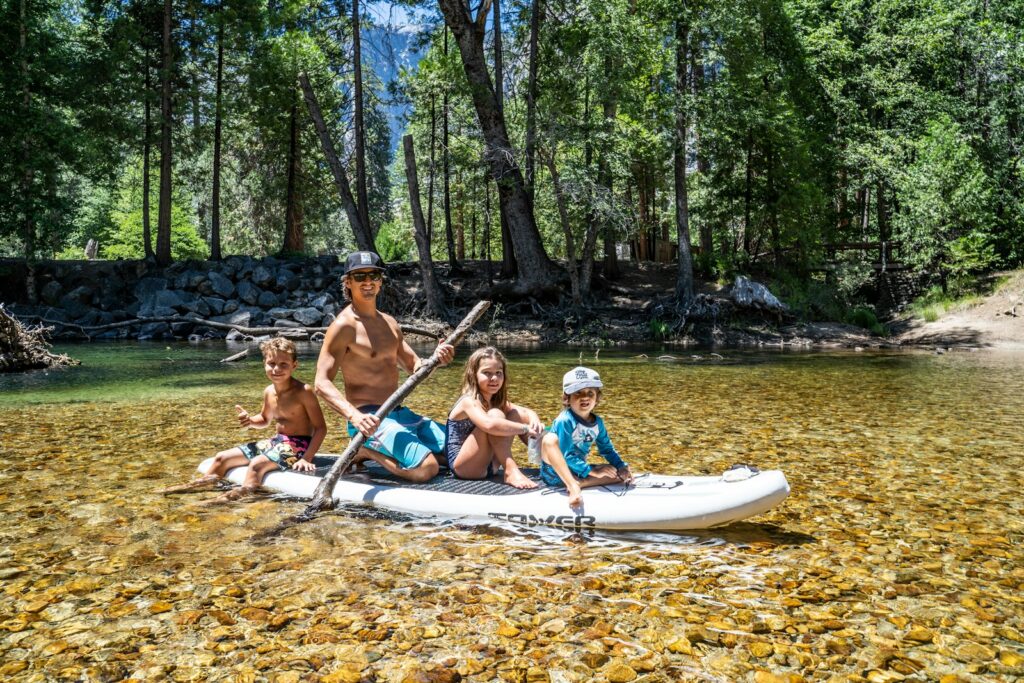
Did you know that the average child spends around seven hours a day in front of screens? That statistic might be startling, but it’s a reality that many parents are grappling with in today’s digital age. As we navigate a world filled with gadgets and screens, encouraging kids to embrace active living has never been more crucial. Not only does physical activity support a child’s physical health, but it also boosts mental well-being and promotes essential life skills such as teamwork and resilience.
However, the big question remains: How to get your kids involved in active living? This challenge might feel overwhelming, especially when faced with the allure of digital entertainment. But fear not, because there are plenty of creative, fun, and simple strategies to engage your children in an active lifestyle. By exploring innovative approaches that cater to their interests and tapping into the joy of movement, you can inspire your kids to swap screen time for playtime. Join us as we delve into practical tips and ideas to motivate your child towards a lifelong love for physical activity.
Setting a Positive Example as a Parent
Children learn by watching the adults around them, so one of the most powerful strategies in how to get your kids involved in active living is to lead by example. Instead of simply instructing your children to go outside and play, demonstrate the behaviors you want them to adopt. If they see you lacing up your sneakers for a morning jog or grabbing your bike for an after-dinner ride, they’ll begin to view exercise as a normal, enjoyable part of life rather than a chore.
Consistency matters. Schedule family walks, weekend hikes, or evening bike rides so that active living becomes a predictable, built-in part of your household routine. When children know that physical activity is non-negotiable family time—just like dinner or bedtime—they’ll be more likely to embrace it enthusiastically. Celebrate your own small victories as well: share how good you feel after a workout or how your mood improves when you spend time outdoors. By weaving your own passion for fitness into everyday life, you’ll inspire your kids to find joy in movement, too.
Making Physical Activity Fun and Exciting
Physical activity doesn’t have to mean structured gym sessions or tedious drills. The key to maintaining your child’s interest is to keep things fresh, playful, and adventure-driven. Transform ordinary games into active challenges—from backyard scavenger hunts to obstacle courses built with pillows and cones. Encourage your kids to invent their own rules and modifications; this creative ownership will heighten their enthusiasm and sense of achievement.
Rotate activities regularly to prevent boredom: one week might focus on backyard yoga sessions, the next on dance parties in the living room. Incorporate playful props—like hula hoops, jump ropes, or even bubble-blowing wands—to add novelty. Remember that laughter and lighthearted competition go a long way. Reward goofy dance-offs or silly relay races with high-fives, stickers, or fun “trophies.” By infusing physical activity with elements of play and surprise, you make exercise something your kids will actually look forward to each day.
Exploring Different Types of Sports and Activities
Introducing your children to a wide variety of sports and physical activities helps them discover what they truly enjoy. Rather than signing up for a single sport and hoping they stick with it, expose them to diverse experiences—team sports, individual pursuits, and non-competitive activities alike. Let them try soccer one month, swimming the next, and perhaps rock climbing or martial arts shortly thereafter.
Pay attention to their reactions and preferences. Some kids thrive in the camaraderie of a team environment, while others may prefer the solo focus of running, cycling, or gymnastics. By providing opportunities rather than mandates, you empower your kids to take ownership of their active living journey. Rotational “sport sampler” sessions can be held weekly or monthly, offering a low-pressure environment where children can marvel at new skills, meet different coaches, and pinpoint the activities that light up their interests.
Incorporating Movement into Daily Routines
Active living shouldn’t be confined to formal exercise sessions; it can—and should—be woven into the fabric of everyday life. Simple habits like walking or biking to school, taking the stairs instead of the elevator, or even stretching during television commercial breaks can add up significantly over time. Encourage your kids to see movement as an organic part of getting from point A to point B.
Create mini-movement challenges throughout the day. For instance, set timers for “dance breaks” in between homework sessions or request that family members perform ten jumping jacks before dinner. These small bursts of activity not only break up sedentary time but also boost mood and concentration. When children realize that staying active doesn’t require a full hour at the gym—just creative thinking and small, consistent efforts—they’re more likely to sustain these habits in the long run.
Organizing Family Fitness Challenges
Family fitness challenges tap directly into your child’s natural love of play and healthy competition. Design month-long challenges—like who can log the most steps or complete the greatest number of push-ups—and track your progress on a shared chart. Rotate the types of challenges so that everyone gets a chance to propose their favorite activity, whether that’s hula hoop contests, jump rope marathons, or bike ride distance goals.
Offer small rewards or privileges to keep motivation high: maybe the challenge winner picks the family movie for Friday night or earns a special dessert. More importantly, celebrate every family member’s effort, not just the winner’s achievements. These challenges foster a supportive atmosphere where siblings cheer each other on and parents model perseverance and positive sportsmanship. Before long, your household will buzz with the energy of communal movement and shared accomplishment.
Utilizing Technology for Active Living
In our screen-saturated world, technology can be turned from foe to friend when it comes to active living. Interactive fitness games on consoles, augmented reality apps that encourage exploration, and child-friendly wearable activity trackers can all spark curiosity and healthy habits. Choose apps or devices with age-appropriate interfaces and positive reinforcement systems, so that your kids feel rewarded for every step and active minute.
Set family screen-time rules that differentiate between passive and active digital consumption. For instance, every 30 minutes of console gaming might unlock 10 minutes of a motion-controlled dance or sports game. Many fitness apps include virtual badges, story-driven missions, or online communities where children can share photos and achievements. By integrating technology into your broader strategy for how to get your kids involved in active living, you meet them where they already spend time—and redirect that engagement toward health and movement.
Joining Community Programs and Events
Local community centers, YMCAs, and sports clubs often offer affordable or free programs designed specifically for children. Whether it’s seasonal soccer leagues, weekend family yoga, or charity fun runs, these group events introduce your kids to peers who share their interests. Engaging with a broader network provides social motivation and accountability that home-based activities sometimes lack.
Scout your town or city’s event calendar for family-friendly races or activity days. Many communities host “bike to school” days, charity walks, or outdoor festival fitness zones. Attending these events not only nurtures your child’s love for active living but also underscores the value your community places on health and togetherness. Build these outings into your family schedule so that they become anticipated highlights—complete with picnic lunches and post-event celebrations.
Creating a Supportive Environment at Home
A child’s surroundings greatly influence their habits. Dedicate a corner of your home to active play by setting up a mini “fitness station” with basic equipment—jump ropes, light dumbbells, resistance bands, and space for stretching. Keep the area clutter-free and brightly decorated to make it inviting. Rotate equipment and introduce new props periodically to maintain novelty and excitement.
Additionally, establish household norms around screen-free zones and times. For example, ban tablets at the dinner table and enforce an “active hour” after school where everyone must choose movement-based activities. Model enthusiasm by joining in these sessions. Encourage siblings to collaborate on games or challenges, fostering camaraderie and shared responsibility for each other’s well-being. By deliberately shaping your home environment, you send a clear message that active living is valued and prioritized.
Tracking Progress and Celebrating Achievements
Recognition and positive reinforcement are key drivers for sustained engagement. Use a visual tracking system—like a star chart or progress thermometer on a bulletin board—to record each child’s active minutes, new skills learned, or personal bests. Review progress weekly and highlight improvements, no matter how small. This tangible evidence of growth keeps motivation high and underscores that effort is just as important as outcome.
Hold monthly “achievement ceremonies” where family members share their successes. Create homemade certificates, award medals, or spotlight stories in a family newsletter. Invite relatives or close friends to celebrate milestones, turning individual accomplishments into community-wide cheer sessions. By acknowledging progress regularly, you reinforce the value of perseverance, boost your child’s self-esteem, and solidify active living as a source of joy rather than obligation.
Concluding Thoughts on Nurturing an Active Lifestyle
Fostering a love for movement in children is an investment in their physical health, emotional well-being, and lifelong habits. By blending leading example, playful activities, community involvement, and thoughtful use of technology, parents can craft a holistic approach to how to get your kids involved in active living.
Remember that consistency, creativity, and celebration are your greatest tools. Nurturing active habits within a supportive, fun environment positions your children to carry these behaviors into adolescence and adulthood—setting the stage for a lifetime of wellness and vitality.