
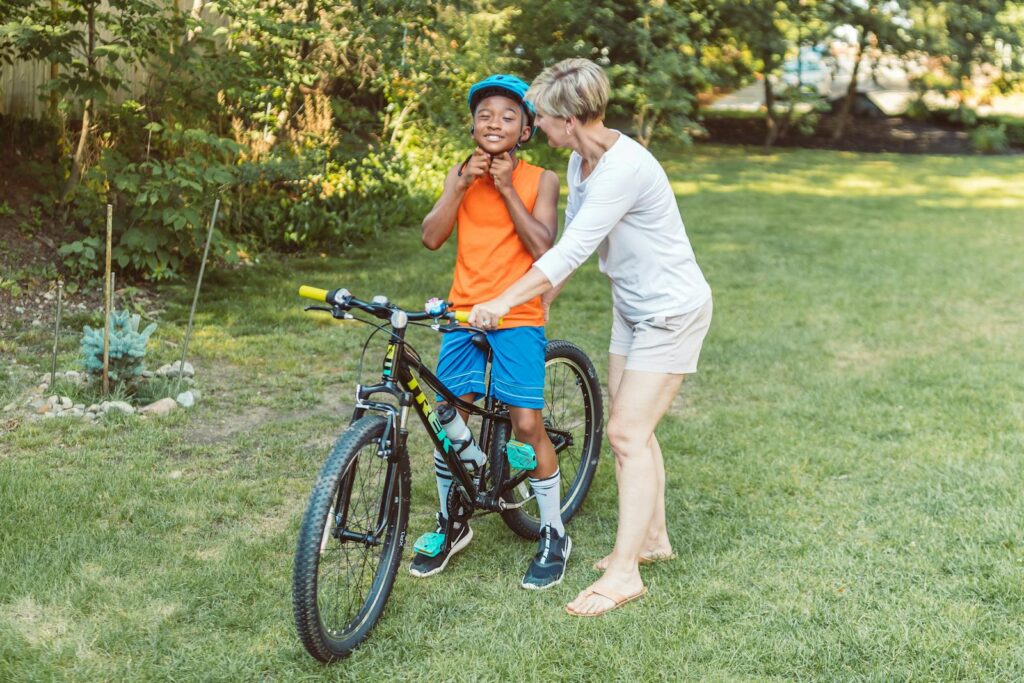
Imagine trying to squeeze a quick workout between diaper changes, meal prep, and the school run. For many parents, finding time to focus on their physical well-being can feel like an impossible task amidst the whirlwind of raising young children. Yet, establishing a movement routine doesn’t have to be an elusive goal on your parenting journey. In fact, it could be a transformative experience that not only nurtures your health but sets a powerful example for your kids as well.
Consider the hustle and bustle of daily life with small children—endless activities, constant interruptions, and little room to breathe. It’s easy to feel overwhelmed and let self-care slip down the priority list. But what if carving out just a few moments each day for exercise could significantly benefit both you and your children?
This blog post aims to guide you on how parents can build a movement routine while raising small kids, offering practical strategies to integrate physical activity into your hectic schedule seamlessly. Embrace the opportunity to make movement a family affair, turning chaos into a journey of growth and wellness.
Benefits of Incorporating Movement Into Your Parenting Routine
When parents learn How Parents Can Build a Movement Routine While Raising Small Kids, they unlock a host of benefits that ripple through every aspect of family life. Physically, consistent movement helps maintain healthy body weight, boosts cardiovascular health, and strengthens muscles and bones. As you commit to regular activity—whether it’s brisk walking, yoga stretches, or quick bodyweight exercises—you’ll notice improvements in your stamina and energy levels.
This revitalized energy makes it easier to keep pace with your little ones, whether chasing them around the park or lifting car seats and strollers throughout the day. Beyond the physical gains, incorporating daily exercise provides mental and emotional perks. Movement releases endorphins—nature’s mood elevators—helping to reduce stress, anxiety, and the overwhelm that often accompany parenting.
Establishing even brief movement routines shows your children that self-care and well-being are priorities, modeling healthy behavior they’ll carry into adulthood. Finally, involving kids in parent workouts fosters quality bonding time and encourages them to develop positive attitudes toward fitness. In essence, weaving movement into your parenting routine enriches family health, strengthens emotional resilience, and builds lifelong habits for everyone.
Setting Realistic Goals for Physical Activity
Defining clear, achievable goals is key to sustaining any movement routine amid the chaos of parenting. Start small—aim for three 10-minute blocks of activity each week rather than overcommitting to daily hour-long sessions you’re unlikely to sustain. Identify times in your day when interruptions are minimal, such as early mornings or during naps, to schedule brief workouts.
Write down your intentions—whether it’s completing 50 squats, walking 3,000 steps, or following a five-minute guided stretch—so you have measurable targets to track progress and stay motivated. Next, apply the SMART goal framework: Specific, Measurable, Achievable, Relevant, and Time-bound. For example, “I will perform a 15-minute family dance party every Tuesday and Thursday evening after dinner.”
This goal is specific (dance party), measurable (15 minutes), achievable (fits post-dinner time), relevant (supports family bonding and fitness), and time-bound (twice weekly). By setting realistic objectives, you create a roadmap that accommodates parenting demands and reduces feelings of failure. As you meet these smaller milestones, gradually increase duration or intensity, building confidence and momentum that sustains a lifelong movement habit.
Making Time for Movement Amidst Parenting Responsibilities
Finding pockets of time for exercise can feel like a juggling act when you’re managing mealtimes, diapers, and school pick-ups. Start by auditing your daily routine to identify small open windows—perhaps ten minutes while the baby naps or 15 minutes during a sibling’s play date. Treat these slots as non-negotiable appointments on your calendar.
By blocking out movement breaks just as you would a doctor’s visit or snack time, you signal to yourself and others that your health warrants equal importance. Another effective strategy is batching parenting tasks with movement. For instance, walk your child to school at a brisk pace, carry groceries in multiple trips with lunges between, or turn household chores into mini-workouts by adding calf raises while washing dishes or squats during toy clean-up.
Enlist your partner to tag-team care: one parent can watch the kids outdoors while the other completes a quick circuit inside. By making movement a shared responsibility rather than a solitary endeavor, you’ll discover more flexibility to fit in physical activity without sacrificing parenting duties.
Creating a Family-Friendly Workout Environment
Transforming your home into a welcoming exercise zone doesn’t require fancy equipment or dedicated space; it simply means making workouts accessible and safe. Clear a play area in the living room or garage, lay down non-slip mats, and store basic gear—resistance bands, lightweight dumbbells, or yoga blocks—in labeled bins within children’s reach.
Having this setup encourages spontaneous family workouts and removes the barrier of rummaging through closets or tripping over clutter. Enhance the ambiance by adding playful touches that engage kids: bright posters with simple exercise illustrations, a small chalkboard displaying the day’s “move challenge,” or a playlist of upbeat songs that everyone can enjoy.
Keep equipment low-cost and child-friendly—foam balls, lightweight hula hoops, and jump ropes—so children feel comfortable grabbing them. When the environment is safe, organized, and fun, it naturally invites the entire household to join in. This readiness minimizes excuses and fosters a sense of camaraderie as you all move together.
Engaging Your Kids in Physical Activities
Turning exercise into play is a surefire way to get your children excited about movement. Organize a backyard obstacle course using cushions, cones, and pool noodles, challenging kids to crawl, jump, and run. Host family dance parties in the living room where everyone takes turns leading simple choreography. Nature scavenger hunts—finding leaves, rocks, or animal tracks—can transform a routine walk into an adventure that boosts steps and explores creativity.
By centering activities on fun and exploration, you ensure that physical activity becomes a cherished family tradition rather than a chore. Incorporate games that develop coordination, strength, and balance. Try “Simon Says” with exercise moves: “Simon says do five jumping jacks,” or “Simon says balance on one foot.” Play tag or relay races at the park, alternating tasks such as bear crawls or frog hops between sprints.
Role-playing games—pretending to be superheroes dodging obstacles or hikers scaling mountains—can spark imagination while raising heart rates. When children feel they’re engaged in play, they’re less focused on exertion and more on enjoyment, building positive associations with movement that last a lifetime.
Incorporating Movement Into Daily Routines
Integrating physical activity into everyday tasks ensures movement becomes second nature rather than an additional obligation. Make transitions active: carry your toddler up the stairs in a gentle lunge, or pause to stretch before bending down to tie little shoelaces. Transform waiting periods—at playground swings, school pick-up lines, or doctor’s offices—into mini-workouts.
Perform ankle rolls, seated leg raises, or calf raises while watching your child play. These micro-interventions add minutes of activity without requiring extra planning or space. Combine errands with exercise: walk or bike to the grocery store when feasible, park farther away from the entrance, or use stroller-friendly trails for daily chores. If you work from home, set intervals in your calendar to stand up, march in place, or follow a short video tutorial.
Involve children by challenging them to carry their snack tote on a short walk or help push a loaded stroller up modest inclines. By seeing movement woven seamlessly into routine tasks, your family cultivates an active identity that persists even on the busiest days.
Overcoming Challenges and Staying Consistent
Consistency is often the biggest hurdle when parenting demands fluctuate unpredictably. Accept that some days your workout might be as brief as a five-minute stretch, and that’s okay. The goal is progress over perfection. When fatigue or schedule conflicts threaten your routine, use flexibility as your ally: swap morning yoga for an evening stroller stroll, or break a 30-minute session into three ten-minute bursts.
Remind yourself of the emotional and physical gains you’ve experienced to stay motivated during challenging stretches. Account for setbacks—illness, travel, or school holidays—by planning alternative “active” ways to bond, like family hikes during vacations or simple bodyweight circuits in hotel rooms. Keep a small stash of go-to exercise videos, smartphone apps, or resistance bands in your diaper bag for unexpected opportunities.
By anticipating obstacles and devising backup strategies, you maintain momentum and avoid the common pitfall of letting one missed session derail your entire movement habit.
Tracking Progress and Celebrating Achievements
Monitoring your movement routine helps reinforce positive behavior and fuels motivation. Use a visible calendar or whiteboard in a shared space to log workouts, step counts, or family activity minutes. Encourage children to place stickers or draw stars next to each completed session. Seeing the chain of success grow daily offers a tangible sense of accomplishment for both parents and kids.
Celebrate milestones with small rewards—an extra story at bedtime, a family picnic, or a new jump rope or yoga mat. Recognize improvements in stamina, mood, and overall family cohesion. Share achievements with supportive friends or parenting groups online to further boost accountability. By acknowledging progress—no matter how modest—you create positive reinforcement loops that make sticking to your movement routine feel rewarding rather than burdensome.
Building a Support System for Your Movement Routine
No parent should have to sustain a movement routine alone. Enlist support from your partner, relatives, or close friends to share child-minding duties during workout times. Swap babysitting sessions with another parent so each of you can enjoy uninterrupted exercise. Joining a local stroller-walking group or parent-child yoga class adds social connection, making physical activity both effective and enjoyable.
Digital communities and apps also provide encouragement and ideas. Participate in online challenges where parents share short videos of family workouts, exchange tips on quick routines, and celebrate each other’s consistency. When you have a network cheering you on and swapping strategies, staying motivated becomes easier. A robust support system transforms individual efforts into a collective journey toward health and well-being.
Embracing Movement as a Family
Building a movement routine while raising young children may require creativity and flexibility, but the rewards ripple across every corner of family life. By setting realistic goals, carving out micro-moments for activity, and weaving play into your workouts, you foster healthier bodies and minds for both parents and kids.
Lean on supportive networks, track your progress, and celebrate each victory—no matter how small. As movement becomes an integral part of daily routines, you’ll discover that prioritizing your well-being is one of the greatest gifts you can give your family. Embrace this journey together, and watch as the chaos transforms into moments of connection, strength, and joy.