
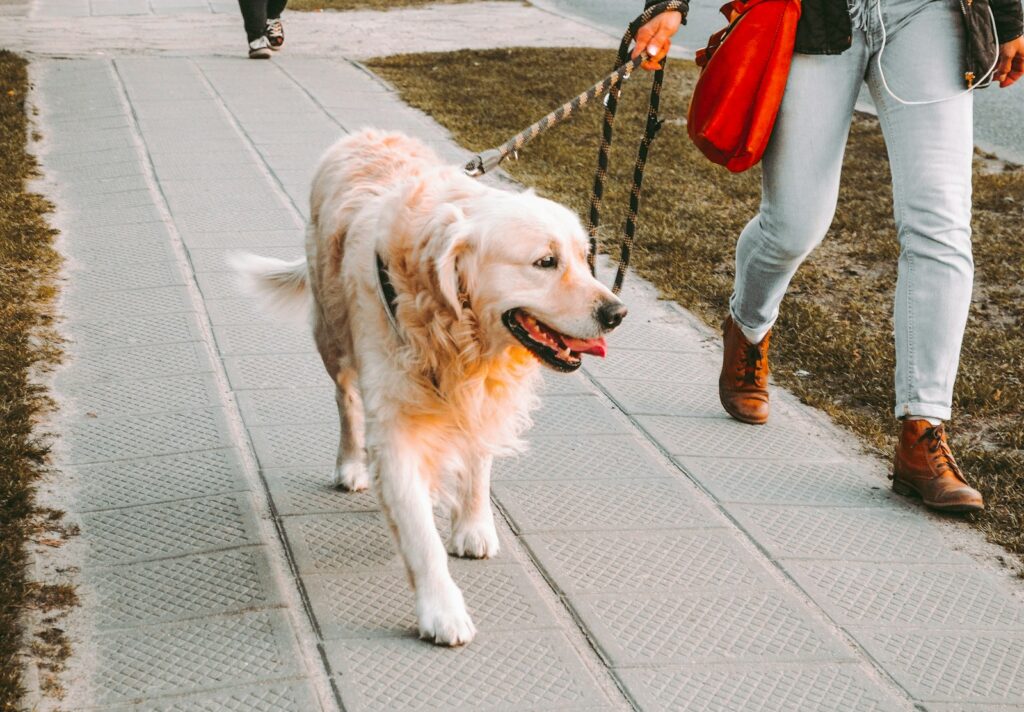
It was an ordinary morning when Sarah clipped the leash onto Buddy, her energetic golden retriever, ready for their daily stroll through the neighborhood park. Little did she know, this routine outing would soon morph into an extraordinary adventure—one that would reinforce the bond with her four-legged friend and ultimately save a life.
As they wandered down their familiar path, the serene ambiance was suddenly broken by a muffled cry for help. Sarah’s heart raced, and without a second thought, she followed the sound, Buddy leading the way with an uncanny sense of urgency. In an unexpected twist of fate, that day became a turning point—not just for Sarah and Buddy, but for a complete stranger in dire need.
This incredible experience transformed their daily dog walk from a simple routine into a life-saving habit, one imbued with purpose and vigilance. Sarah’s story is a testament to the power of intuition and the profound impact pets can have in our lives. Join us as we delve into this inspiring tale of heroism and discover how a mundane walk turned into an unforgettable journey filled with lessons in courage and empathy.
The Ordinary Morning Walk
Every weekday morning, Sarah and Buddy set out at dawn, their footsteps echoing softly on dewy grass. The sky was painted with gentle pastel hues, and the cool air carried the scent of blooming flowers and pine needles. Buddy would tug playfully on the leash, eager to greet each new day, while Sarah walked at a steady pace, enjoying the rhythmic tempo of their journey.
This ritual had become a source of calm and clarity for Sarah, a meditative start that cleared her mind before work. Unbeknownst to her, the very same routine would soon become the catalyst for something extraordinary. As they moved along their usual route, familiar landmarks passed by—the old oak tree, the stone bench, and the small pond where ducks often gathered.
Conversations from fellow early risers drifted through the air: a group of joggers discussing weekend plans, a parent guiding a toddler on a tricycle, and an elderly gentleman practicing tai chi. Amid these ordinary sights and sounds, Sarah felt grounded and connected to her community. Yet, beneath this surface normality lay the potential for a defining moment.
With Buddy by her side, she had unknowingly set the stage for an unexpected encounter—one that would show her the true significance of vigilance and compassion during what was meant to be just another ordinary morning walk.
The Cry for Help
Just past the winding creek trail, a barely audible plea sliced through the tranquil ambience. Sarah froze, her heart hammering. The cry was faint but unmistakable—a human voice edged with desperation. Instinctively, she glanced down at Buddy, whose ears perked up and whose stance suddenly became tense. The world seemed to hold its breath for a moment, the soft rustling of leaves replaced by Sarah’s pounding pulse.
That unexpected sound shattered the calm of their routine. Questions flooded Sarah’s mind: Who needed help? What had happened? Was it safe to investigate? Each thought was fleeting as Buddy took the lead, pulling gently but firmly toward the source of the sound. Sarah trusted her companion implicitly; if Buddy sensed danger or uncertainty, he would hesitate. Instead, he moved with purpose.
The cry’s urgency amplified with every step, galvanizing Sarah to follow without hesitation. Little did she realize, this simple decision—to heed a stranger’s plea—would transform their daily excursion into a life-saving journey.
Following Buddy’s Lead
Buddy’s nose quivered as he trotted purposefully along a narrow dirt path leading into a densely wooded area. Sarah quickened her pace to keep up, carefully watching the ground for tree roots and loose stones. Adrenaline surged through her veins, sharpening her senses. The familiar park now felt different—shadows seemed deeper, and the rustling of leaves more pronounced, as if nature itself held its breath.
As they ventured further, Buddy remained focused, his tail low and his gait steady. Sarah felt a mix of curiosity and concern. She reminded herself to stay calm, believing her golden retriever’s instincts would guide them correctly. Every so often, Buddy paused to sniff the air, then resumed, confirming he hadn’t lost track of the sound.
Sarah admired his determination; never before had she seen him so single-minded. Their unspoken partnership, built on years of trust and training, now propelled them toward an uncertain but crucial destination.
The Discovery
Soon, the underbrush opened into a small clearing where sunlight filtered through broken branches. There, on the ground, lay an elderly man slumped against a fallen tree trunk. His face was pale, and he looked disoriented, eyes glassy with pain. At his side was a tipped-over water bottle and scattered personal belongings.
Sarah froze at first, shock and concern mingling in her chest. The man’s labored breathing and shallow moans made it clear that he’d been injured or fallen ill. Buddy approached cautiously, keeping a respectful distance before giving a gentle whine. The dog’s sensitivity to human distress was remarkable—he nudged the man’s shoulder lightly, prompting a weak response.
That nudge was all Sarah needed: confirmation that the situation was serious. The stranger’s furrowed brow and trembling hands told a story of sudden collapse, possibly due to dehydration, heatstroke, or an underlying medical emergency. Sarah recognized the gravity of the moment—every second counted, and her course of action in the next few minutes could determine whether this discovery turned into a tragedy or a triumph.
Immediate Actions Taken
Without hesitation, Sarah knelt beside the man and assessed his condition. She spoke softly, identifying herself and assuring him help was on the way. “I’m Sarah,” she said gently. “You’re safe now. My dog Buddy and I are here to help.” She checked his pulse and breathing, confirming that although his condition was precarious, he was still conscious.
Sarah rummaged through his belongings and found an identification card. The name James Smith and an address were printed beneath a small photograph. Next, she offered the man water from her own bottle, encouraging slow sips to avoid choking. She observed his responses, noting any signs of improvement or further decline.
Meanwhile, Buddy remained by James’s side, his presence providing comfort and stability. Sarah used her phone to dial emergency services, inputting James’s details and explaining the situation. All the while, she maintained calm conversation with him, distracting him from pain and fear. Her quick thinking and basic first-aid knowledge began to stabilize the stranger, giving both Sarah and James critical moments of reassurance before professional help could arrive.
The Unfolding Drama
Every minute that passed felt stretched as Sarah balanced comforting James and ensuring his safety. She gently moved him to a more shaded spot, using her jacket as a makeshift cushion. Buddy lay nearby, offering warmth and silent vigilance. Sarah monitored his breathing, spoke encouraging words, and wiped sweat from his forehead. The forest clearing felt both isolating and intensely alive, each rustle of leaves heightening the drama of the moment.
In her mind, Sarah replayed first-aid instructions she had learned years ago in a community course. She checked for signs of internal injury: bruising, swelling, or disorientation. James closed his eyes briefly, but responded when Sarah called his name. That small sign of consciousness bolstered Sarah’s hope.
Through it all, the bond between human and dog shone brightly—Buddy’s steady presence was a lifeline for both individuals. Though the situation had begun as an ordinary morning walk, it had transformed into a high-stakes rescue operation under the canopy of trees.
Contacting Emergency Services
As Sarah spoke with the 911 dispatcher, she provided precise details: location within the park, man’s condition, and visible injuries. She answered questions calmly, trusting that accurate information would help paramedics reach James quickly. The dispatcher instructed Sarah to keep James awake and monitor his breathing until help arrived. She confirmed that an ambulance was en route and urged Sarah to remain on the line.
While waiting, Sarah kept James engaged in conversation—asking about his family, favorite hobbies, and where he had been headed that morning. His responses were slow but coherent, offering vital clues that indicated no severe head trauma. Buddy, sensing the gravity of the situation, sat vigilantly beside them, occasionally nuzzling James’s hand.
That gesture seemed to lift James’s spirits, providing emotional support in a moment of vulnerability. Their combined efforts—human care and canine compassion—created a small beacon of hope amid the uncertainty.
Providing Support and Comfort
When emotions ran high, Sarah’s steady voice and Buddy’s reassuring presence became anchors for James. She held his hand and maintained eye contact, ensuring he knew he wasn’t alone. “You’re doing great,” she whispered. “The ambulance will be here any minute.” Her tone was calm yet empathetic, striking a balance between warmth and reassurance. With every word, she aimed to keep James focused and less anxious.
Buddy, for his part, remained remarkably composed. His golden fur glistened in the filtered sunlight, and his gentle demeanor conveyed unspoken solidarity. He leaned his head against James’s leg, offering a furry comfort that only a devoted dog could provide. Sarah used her jacket to cushion James’s neck and head, preventing further discomfort.
Despite the dramatic circumstances, the simple acts of kindness—sharing water, offering a blanket, and speaking soothingly—served as powerful reminders of human compassion and the profound impact of pets in times of crisis.
The Aftermath
The distant wail of sirens heralded the arrival of paramedics. Within moments, trained professionals navigated the clearing and took over James’s care. Sarah stepped back, offering a concise summary of events: his vital signs, what she had administered, and Buddy’s role in locating him. The paramedics nodded appreciatively, praising her swift actions.
They stabilized James on a stretcher and expressed gratitude to both Sarah and Buddy before transporting him to the hospital for further evaluation. As the ambulance disappeared down the trail, Sarah sank onto a nearby log, relief washing over her. Buddy sat loyally by her side, head resting on her lap. The gravity of what had just transpired settled in: a routine dog walk had led to the rescue of a stranger on the brink of severe medical crisis.
Sarah realized that their daily stroll—once simply a moment of exercise and fresh air—had become an essential life-saving habit. Moving forward, every step she took with Buddy would carry the memory of this day and the knowledge that vigilance and compassion can change lives.
Reflections and Lessons Learned
The extraordinary events of that morning prompted Sarah to reflect deeply on the bond between humans and animals. Buddy’s instinctual response highlighted the intuitive connection dogs share with people in distress. Sarah recognized that her responsibility as a pet owner extended beyond basic care; it included trust in her companion’s instincts and readiness to act when emergencies arise.
Moreover, the experience reinforced the importance of community awareness and first-aid knowledge. By remaining calm, following basic procedures, and maintaining clear communication with emergency services, Sarah played a pivotal role in ensuring James’s survival. Most importantly, she understood how a simple routine—How a Dog Walk Turned Into a Life-Saving Habit—could transform into moments of profound significance. From that day on, every walk with Buddy became an opportunity to stay present, vigilant, and compassionate toward those around her.
Conclusion
What began as an ordinary morning walk evolved into an unforgettable life-saving journey, illustrating the power of intuition, quick thinking, and a loyal canine companion. Sarah and Buddy’s story reminds us that everyday routines can harbor extraordinary potential to make a difference.
By embracing vigilance, compassion, and preparedness, we too can turn simple habits into opportunities for heroism. After all, sometimes the most unassuming moments—like a walk in the park—can lead to the greatest acts of kindness and courage.