
Cancer Risk Factors You Can Control

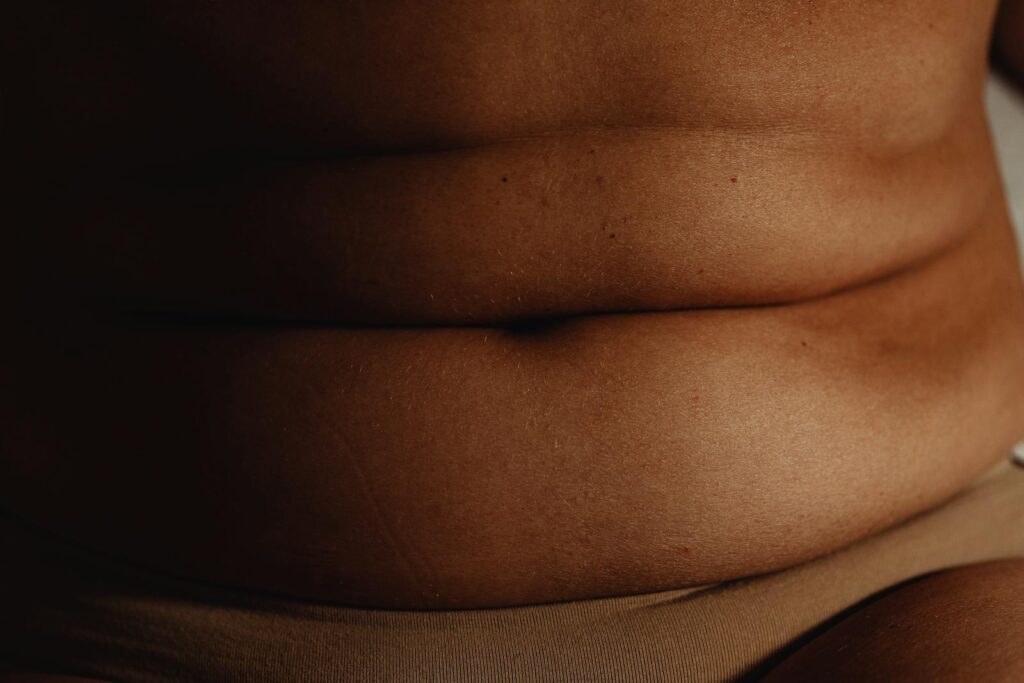
Detailed close-up of human skin highlighting natural texture and folds.

Exploring Do Obesity and Inactivity Increase the Cancer Recurrence Risk

In the enduring battle against cancer, survivors often find themselves grappling with a lingering question: what can be done to prevent the disease from coming back? As medical advancements continue to enhance our understanding of cancer treatment and recovery, one area gaining significant attention is the impact of lifestyle choices on cancer recurrence. Among these choices, two factors stand out for their widespread prevalence and profound implications: obesity and inactivity. The notion that these could play a role in increasing the risk of cancer making an unwelcome return is not just a topic of scientific inquiry, but a matter of personal urgency for countless individuals.

Consider the reality faced by many cancer survivors who, despite achieving remission, must confront the fear of relapse. This fear is compounded by emerging studies suggesting that carrying excess weight and leading a sedentary lifestyle may indeed increase the risk of cancer’s reappearance. By delving into the complex relationship between these factors and cancer recurrence, this blog post aims to shed light on actionable insights that could empower survivors to make informed choices. Understanding whether obesity and inactivity increase the risk of recurrence after cancer can not only enhance the quality of life for survivors but also offer hope in taking control over their health destinies.

Exploring Do Obesity and Inactivity Increase the Cancer Recurrence Risk Read More »

Close-up of hands gripping an overweight belly, depicting body fat focus.

Do Obesity and Inactivity Increase Cancer Recurrence

When battling cancer, the focus often remains on immediate treatment and survival. Yet, what happens once the initial battle is won? For many, the shadow of recurrence looms large, and understanding the factors that might contribute to this risk becomes crucial. Amidst myriad factors, obesity and inactivity have emerged as significant concerns. In a world grappling with rising obesity rates and increasingly sedentary lifestyles, the question takes on urgent relevance: does obesity and inactivity increase the risk of recurrence after cancer?

Statistics indicate that over two-thirds of adults in the United States are considered overweight or obese, a fact that raises red flags for long-term health outcomes. Physical inactivity compounds these concerns, creating an environment where the body struggles to maintain health post-cancer treatment. Through this blog post, we aim to explore the intricate relationship between these lifestyle factors and cancer recurrence, offering insights that could be vital for survivors determined to reclaim their health and rewrite their stories of survivorship.

Do Obesity and Inactivity Increase Cancer Recurrence Read More »

A young man in pajamas holding his head, sitting on a bed, appears to be experiencing a headache.

Understanding How Fatigue Fuels Inactivity and Cancer Risk

Fatigue is more than just an occasional inconvenience; it’s a pervasive issue that can stealthily influence your lifestyle choices and health outcomes. Imagine waking up feeling as if you barely slept, your body heavy with exhaustion despite a full night’s rest. If this scenario sounds familiar, you’re not alone. For many, fatigue isn’t just a symptom but a significant obstacle that fuels inactivity and potentially increases cancer risk. Understanding the intricate connection between fatigue, inactivity, and cancer is essential in breaking this vicious cycle and reclaiming your energy.

Statistics reveal a startling reality: those who experience chronic fatigue are at a higher risk of leading sedentary lifestyles, which research has linked to various cancers. The World Health Organization estimates that physical inactivity contributes to nearly 3.2 million deaths annually, underscoring how crucial it is to tackle this issue head-on. But the question remains—how exactly does fatigue lead to such grave consequences? And more importantly, what can we do to combat it? This blog post will delve into the underlying factors at play and offer actionable insights to help you regain control over your health and vitality.

Understanding How Fatigue Fuels Inactivity and Cancer Risk Read More »

A woman enjoying a yoga stretch indoors, promoting a healthy lifestyle.

Movement as Medicine, The New Cancer Prevention Prescription

For decades, we have been searching for the perfect prescription to ward off cancer. We’ve looked to groundbreaking research, new medications, and advanced technologies, but what if the secret was within us all along? “Movement as Medicine” is gaining recognition as a revolutionary approach to cancer prevention, turning our everyday activities into powerful tools against disease. Imagine discovering that the simple act of moving more, whether through walking, dancing, or gardening, could significantly reduce your cancer risk. This concept not only challenges the traditional confines of medicine but also empowers you to take control of your health in an accessible and sustainable way.

In recent studies, the evidence is compelling: consistent physical activity can lower the risk of certain cancers by up to 40%. This staggering statistic is a wake-up call, urging us to reconsider how we incorporate movement into our lives. Unlike traditional prescriptions that can feel daunting or even inaccessible, viewing movement as medicine offers a practical and engaging means to enhance wellbeing. This blog post will delve into the science behind this innovative strategy, explore practical ways to integrate more movement into your daily routine, and inspire you with real-life stories of individuals who have transformed their health. Prepare to explore how movement might just be the most powerful, yet underutilized, tool in cancer prevention today.

Movement as Medicine, The New Cancer Prevention Prescription Read More »

man running on road near grass field

The Lifesaving Impact of 150 Minutes Worth a Week’s Exercise

This isn’t some distant utopian dream; it’s a reality backed by science, and understanding its impact can be transformative. In our fast-paced lives, it often feels impossible to carve out time for exercise amidst the chaos of daily commitments. Yet, dedicating a mere fraction of your week to physical activity could drastically shift your health trajectory. Unbelievably, these regular bouts of movement are linked not just to improved fitness, but to a significantly reduced risk of chronic illnesses.

The concept might seem simple, but the evidence is compelling. Researchers have long championed the merits of consistent activity, showing that as little as 150 minutes each week can lead to profound health benefits. From enhancing cardiovascular health to boosting mental well-being, this modest investment in exercise offers a lifeline to longevity and vitality. So, what makes this magic number so powerful? As we delve into the heart of the matter, the profound reasons Why 150 Minutes of Weekly Activity Could Be a Lifesaver will unfold, paving the path to healthier living.

The Lifesaving Impact of 150 Minutes Worth a Week’s Exercise Read More »