
person holding pen writing on white paper

Embrace Daily Checklists for Staying Active Without Thinking

Have you ever found yourself at the end of a busy day, realizing you’ve barely stood up from your desk, let alone squeezed in a workout? In the hustle and bustle of everyday life, staying active can often fall by the wayside. But what if there was a simple tool to help you keep moving without adding stress or extra planning to your already-packed schedule? Enter the concept of daily checklists—a straightforward solution that allows you to integrate activity into your life seamlessly.

Imagine transforming your daily routine with small, intentional steps that not only boost your physical health but also enhance your mental well-being. Studies have shown that engaging in regular physical activity can significantly improve mood, increase energy levels, and even sharpen cognitive functions. By embracing daily checklists for staying active without thinking, you can effortlessly weave movement into your day, ensuring you’re not just surviving, but thriving. With this guide, discover how embracing this strategy can lead to a more vibrant, energized you.

Embrace Daily Checklists for Staying Active Without Thinking Read More »

man running near sea during daytime

The Role of Exercise in My Recovery Journey

As I lay in the hospital bed, grappling with the reality of my new life, a kaleidoscope of emotions swirled within me. The road to recovery seemed daunting, sculpted by a landscape of relentless challenges. Yet, amid the uncertainty, I discovered an unexpected ally: exercise. It became more than a series of movements; it was a lifeline that anchored me through the tumultuous waves of recovery. The role of exercise in my recovery journey was transformative, offering not just physical strength, but a mental clarity and resilience I never anticipated.

In this blog post, I will share how each step taken, each weight lifted, and each breath controlled became a testament to progress and healing. Exercise wasn’t merely about rebuilding my body; it was about reclaiming my life and redefining my limitations. For anyone navigating the choppy waters of recovery, understanding the potential of exercise can illuminate a path forward, promising not just survival, but thriving in the face of adversity.

The Role of Exercise in My Recovery Journey Read More »

A young woman in a red sweater stretches at her desk in a modern office space.

5 Minute Office Stretch Breaks That Reduce Inflammation

For many, the daily grind involves long hours hunched over a computer, which can lead to stiff muscles and persistent inflammation—a silent companion causing more harm than we realize. Imagine if just five minutes could provide relief from this constant strain. This isn’t a distant dream but a practical solution you can implement right at your desk.

The magic lies in 5-minute office stretch breaks that reduce inflammation and re-energize your body. These brief yet powerful sessions can transform your workday, offering not only immediate relief but also long-term benefits. Picture a sequence of stretches that seamlessly fit into your schedule, alleviating tension while boosting productivity. As you explore these quick and effective exercises, you’ll discover how minor adjustments can make a significant difference in combating inflammation, helping you feel more comfortable and focused throughout your day.

5 Minute Office Stretch Breaks That Reduce Inflammation Read More »

a group of older women dancing in a room

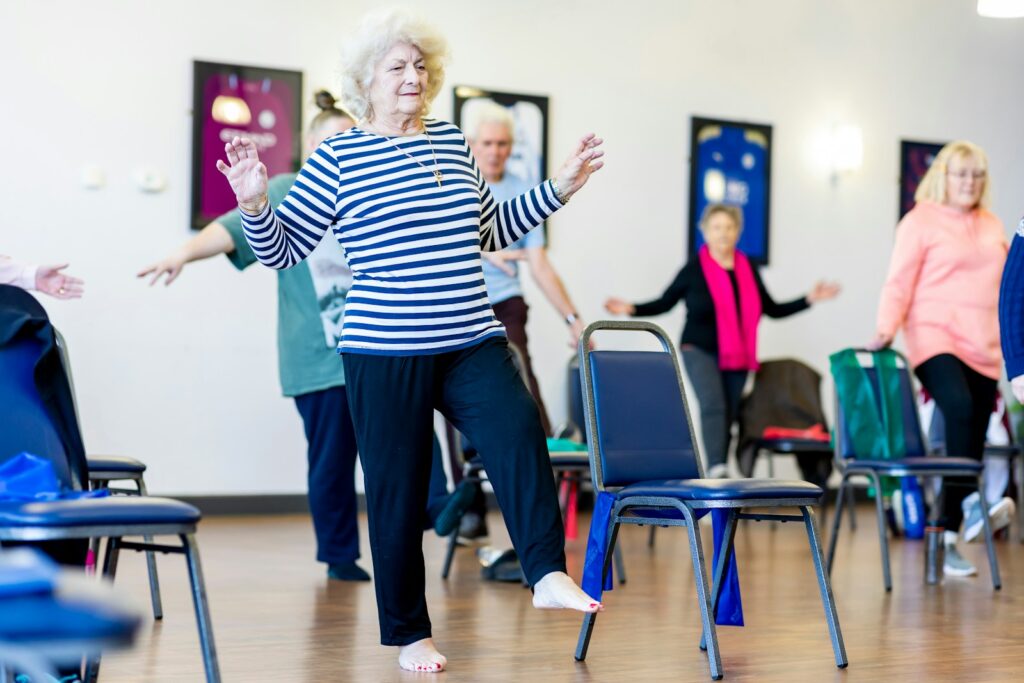
Low Impact Exercises for Seniors with Balance Concerns

As we gracefully age, the quest for maintaining a healthy and active lifestyle takes on new dimensions, especially for seniors facing balance concerns. Imagine waking up each day with the confidence to move freely without fear of falling, knowing that your body is supported by a regimen designed just for you. This isn’t merely a dream but a reality attainable through tailored low-impact exercises. These activities not only fortify muscles and improve balance but also enhance overall well-being, allowing you to savor life’s beautiful moments without hesitation.

Statistics reveal that one in four adults aged 65 and older falls each year, making this a pressing issue for many. Engaging in well-planned, low-impact exercises can significantly mitigate these risks, transforming vulnerability into strength. Beyond the statistics, though, lies the empowering truth: incorporating these exercises into your routine can unlock a newfound sense of independence. Whether it’s the gentle sway of tai chi or the rhythmic flow of water aerobics, each exercise is a step towards a more balanced life, inviting you to embrace each day with vigor and stability.

Low Impact Exercises for Seniors with Balance Concerns Read More »

people exercising

The Role of Cardio in Cancer Prevention—How Much is Enough

The role of cardio in cancer prevention is one such influence that deserves attention. With the World Health Organization estimating that over 30% of cancers could be prevented by lifestyle changes, including regular physical activity, the stakes are undeniably high. Cardio—whether it’s running, cycling, or even brisk walking—has been shown to reduce certain cancer risks significantly. But just how much cardio do you need to make a difference?

Imagine a future where simple, intentional movements become your shield against one of the most feared diseases of our time. Emerging research suggests that the role of cardio in cancer prevention isn’t just a health trend but a vital component of lifelong wellness. However, while the benefits are clear, many find themselves at a crossroads: How much is enough? This blog post delves deep into current studies and expert recommendations, offering insights into crafting a cardio routine that aligns with your lifestyle and maximizes health benefits. Whether you’re a fitness enthusiast or a beginner, understanding the balancing act between exercise intensity and frequency could be your pivotal step towards a healthier, cancer-free life.

The Role of Cardio in Cancer Prevention—How Much is Enough Read More »