
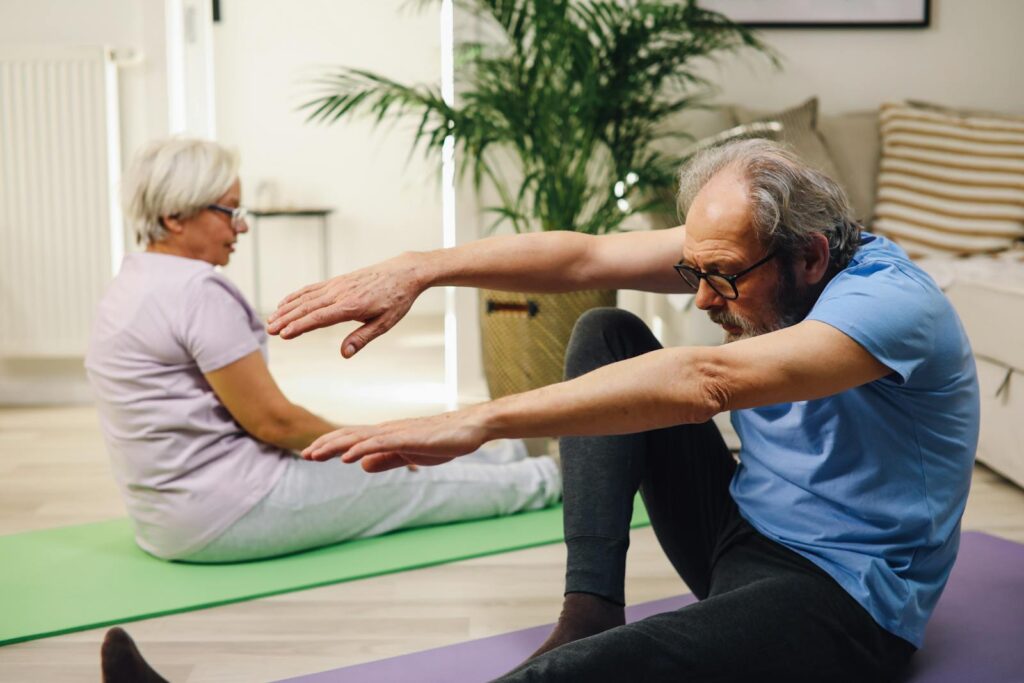
As we age, maintaining an active lifestyle becomes increasingly essential, not just for our physical health but also for mental well-being. Yet, the fear of overtraining or causing injury often holds many back from embracing the joy of movement in their golden years. But what if staying active after 60 could be as simple and rewarding as discovering a new hobby?
In this guide, we’ll explore the delicate balance between staying fit and avoiding the pitfalls of overtraining, transforming your golden years into an era of vitality and vigor. Consider the story of Mary, a vibrant 65-year-old who shifted from feeling weary and worn out to experiencing newfound energy and zest for life. Her secret wasn’t a radical fitness regime or a strict diet but a mindful approach to activity that respected her body’s limitations while still challenging her to grow stronger each day.
By understanding how to stay active after 60 without overtraining, you too can craft a fitness routine that fosters strength, flexibility, and joy without compromising your well-being. Join us as we delve into practical strategies and insights, ensuring your fitness journey is both pleasurable and sustainable.
Importance of Staying Active After
Maintaining an active lifestyle is vital for adults as they enter their 60s and beyond, as it directly influences quality of life, independence, and overall well-being. Regular physical activity helps preserve muscle mass, improve cardiovascular health, and enhance balance—key factors that reduce the risk of falls and long-term disability.
Cultivating these habits early can set a solid foundation for the years ahead, ensuring that daily tasks remain manageable and enjoyable. Beyond physical benefits, exercise offers significant mental-health rewards. Engaging in movement releases endorphins, the body’s natural mood lifters, which can help combat stress, anxiety, and mild depression.
Moreover, participating in group classes or walking clubs provides social interaction—a crucial component of emotional well-being. By actively embracing movement, seniors can enjoy better sleep, sharper cognitive function, and an overall improved sense of purpose and confidence in their daily lives.
Learning how to stay active after 60 without overtraining means finding that sweet spot where challenge meets enjoyment. When activity becomes a source of fun and connection rather than a chore, it’s easier to maintain consistency, avoid burnout, and reap lasting rewards for both body and mind.
Understanding the Risks of Overtraining
While exercising regularly is critical, pushing the body too hard can lead to overtraining, especially in older adults whose recovery processes are naturally slower. Overtraining occurs when the stress of workouts exceeds the body’s ability to repair itself, leading to persistent fatigue, decreased performance, and increased injury risk.
Recognizing these warning signs early is essential for preventing chronic problems. Common indicators of overtraining include prolonged muscle soreness, joint pain, sleep disturbances, decreased immunity, and a general lack of motivation. In seniors, these symptoms may be more pronounced, as bones and connective tissues become less resilient with age.
Ignoring discomfort or “powering through” can result in serious setbacks such as tendinitis, stress fractures, or inflammation of joints, which may take weeks or months to heal. By understanding the risks of overtraining, individuals over 60 can adopt a more mindful approach—one that balances effort with adequate recovery and reduces the likelihood of long-term injury.
Setting Realistic Fitness Goals
Goal setting lays the groundwork for sustainable progress. Rather than aiming for lofty targets like running a marathon, focus on attainable objectives—walking an extra five minutes daily, mastering proper form in strength exercises, or adding gentle stretching sessions. Achieving these smaller milestones fosters motivation and prevents the discouragement that follows unmet, unrealistic expectations.
Using the SMART (Specific, Measurable, Achievable, Relevant, Time-bound) framework helps ensure clarity and accountability. For instance, “I will perform two sets of 10 wall push-ups three times per week for the next month” is more actionable than a vague resolution to “get stronger.” Periodically reassess and adjust these goals based on your progress and how your body responds, so you continue to challenge yourself without veering into overtraining territory.
Remember, celebrating incremental wins—like improved balance or reduced breathlessness—builds confidence and keeps you excited about your fitness journey.
Tailoring Workouts to Your Body’s Needs
No two individuals over 60 have identical health profiles, physical capabilities, or past exercise experiences. Customizing workouts to individual needs is crucial for both safety and effectiveness. Start by consulting a healthcare provider to screen for potential risks, such as osteoporosis, arthritis, or cardiovascular concerns, and to receive guidance on exercise limits.
Once cleared, choose activities that align with personal strengths and preferences. If stiff joints make running painful, consider swimming or cycling, which provide cardiovascular benefits with minimal impact. Resistance-band exercises, light weights, or bodyweight movements can help maintain muscle mass without stressing fragile bones.
Adapt range of motion, intensity, and frequency based on how your body responds, gradually progressing as your strength and endurance improve. A tailored approach encourages consistency, reduces the chance of injuries, and ensures you’re dedicating effort where it yields the greatest benefit. It’s the heart of learning how to stay active after 60 without overtraining.
Incorporating Variety in Your Exercise Routine
Variety is not just the spice of life—it’s a safeguard against overuse injuries and boredom. Rotating among cardiovascular, strength, flexibility, and balance exercises ensures you address every component of fitness. One week might include brisk walks, light resistance work, yoga, and tai chi, while another might swap in aquatic classes, chair exercises, or dance.
Mixing modalities prevents repetitive stress on the same joints and muscles and stimulates different energy systems, promoting well-rounded development. It also keeps workouts fresh and engaging, reducing the risk of skipping sessions out of ennui. By embracing variety, seniors can continue making strides in fitness without taxing any single part of the body excessively.
This balanced approach not only combats plateaus but makes exercise more enjoyable, supporting long-term adherence and minimizing the risk of overtraining.
Listening to Your Body
Developing an attuned sense of listening to physical cues is a cornerstone of injury prevention. Pay close attention to how you feel before, during, and after exercise. Persistent or sharp pains, unusual fatigue, or lingering soreness beyond a couple of days are red flags that warrant scaling back or modifying your routine.
Maintaining a simple workout journal can be invaluable. Note the type of activity, duration, intensity, and post-exercise feelings. Patterns may emerge, highlighting exercises that consistently provoke discomfort or days when your energy dips significantly. Adjusting your plan in response—opting for gentler movements or additional rest—ensures you challenge your body without pushing it into the realm of overtraining.
By treating your body as a guide rather than an obstacle, you’ll build resilience and make steady progress toward your fitness goals.
The Role of Rest and Recovery
While exercise stimulates muscle growth and cardiovascular improvements, recovery is when these adaptations actually occur. For adults over 60, rest days and active recovery strategies—such as gentle stretching, walking, or foam rolling—play a critical role in minimizing muscle soreness and maintaining overall vitality.
Equally important are sufficient sleep, proper hydration, and nutrient-rich meals. Strive for 7–9 hours of quality sleep each night, drink water consistently throughout the day, and consume a balanced diet with adequate protein to fuel muscle repair. Integrating these recovery pillars helps safeguard against overtraining and ensures that each workout contributes positively to your strength and endurance.
By valuing rest as highly as exercise itself, you establish a sustainable rhythm that supports ongoing fitness gains and long-term health.
Embracing Low-Impact Activities
Low-impact exercises offer a gentle yet effective path to improved fitness, especially for those with joint sensitivities or previous injuries. These activities elevate heart rate and condition muscles without placing undue strain on bones and connective tissues. Swimming, water aerobics, cycling on a stationary bike, and using an elliptical machine are prime examples.
Aquatic workouts deserve special mention: the buoyancy of water reduces joint compression while still providing resistance, making movements both easier and more therapeutic. Water-based classes often combine cardio, strength, and flexibility training within a single session, delivering a comprehensive workout that feels more recreational than clinical.
Incorporating low-impact options into your routine not only safeguards against overtraining but also keeps exercise sessions enjoyable and varied. This thoughtful mix of activities ensures you continue progressing without compromising joint health or overall well-being.
Seeking Professional Guidance
Partnering with qualified fitness professionals—such as certified personal trainers, physical therapists, or exercise physiologists—can accelerate progress and ensure safety. These experts conduct assessments, demonstrate proper form, and design routines that account for your health history and current abilities. Their insights help you avoid common pitfalls that lead to overtraining.
Joining age-friendly group classes or community programs also provides structure, motivation, and social support. Instructors can fine-tune exercises, suggest progressions or regressions, and monitor your technique to reduce injury risk. Moreover, the camaraderie of working out alongside peers fosters accountability and enjoyment, further enhancing your commitment to an active lifestyle.
With professional guidance, you’ll navigate how to stay active after 60 without overtraining more confidently and effectively.
Thriving in Your Golden Years
Finding balance between activity and rest is essential for a fulfilling fitness journey after 60. By setting realistic goals, customizing workouts to your unique needs, and embracing varied, low-impact exercises, you can enjoy lasting health benefits without risking overtraining.
Remember, the aim is sustainable progress—cultivating strength, flexibility, and joy rather than pushing to extremes. With mindful pacing, adequate recovery, and professional support, your golden years can become your most vibrant chapter yet. Stay active, stay safe, and thrive!