
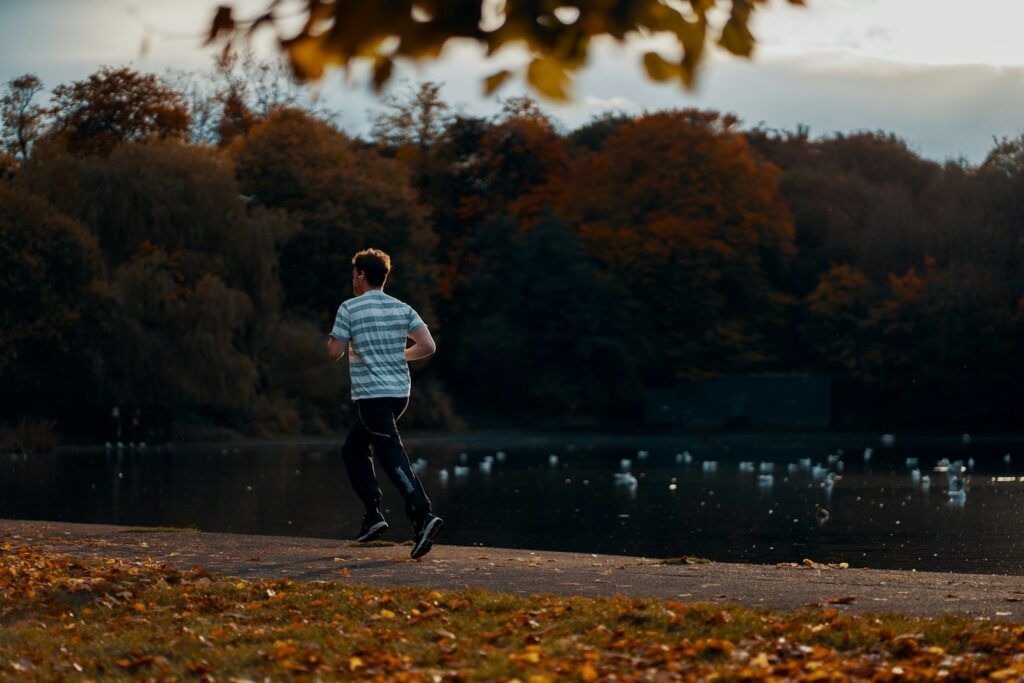
In a world where the hustle to maintain health and wellness often feels overwhelming, there’s a refreshing glimmer of hope that doesn’t involve hours of grueling workouts or restrictive diets. Imagine if a gentle stroll through your neighborhood or a leisurely bike ride could play a pivotal role in safeguarding you against one of the most feared diseases: cancer.
Recent scientific research is shedding light on this very possibility, offering insights that could transform our approach to cancer prevention. By focusing on light exercise, scientists are uncovering a powerful ally in the fight against cancer—a revelation that might just inspire you to lace up and step outside. As the research unfolds, it becomes increasingly evident that incorporating light exercise into your daily routine could be a game-changer for long-term health.
With studies revealing that even mild physical activity can significantly reduce cancer risk, this discovery challenges the traditional perception that only vigorous workouts yield substantial benefits. The implications of these findings are profound, potentially redefining how we view exercise and its role in disease prevention.
It’s an encouraging reminder that even small changes can lead to significant health rewards, bringing us one step closer to a healthier, cancer-free future.
Understanding the Link Between Light Exercise and Cancer Risk Reduction
Over the past decade, epidemiologists and oncologists have begun mapping correlations between physical activity and cancer incidence, with a particular focus on light exercise. Unlike high-intensity workouts, light exercise includes activities such as walking at a moderate pace, gentle cycling, yoga, and even household chores like gardening.
Researchers theorize that these forms of movement trigger beneficial physiological changes—reducing inflammation, improving immune function, and enhancing cellular repair mechanisms—that collectively contribute to lower cancer risk. What makes the emerging evidence especially compelling is that populations engaging in light exercise regularly show measurable reductions in common cancer types, including breast, colon, and prostate cancers.
These findings underscore the concept that exercise need not be strenuous to be effective. By incorporating low-impact activities into daily life, individuals may harness protective benefits without the barriers of time, accessibility, or physical strain. As scientists continue to explore this connection, the narrative around exercise and cancer prevention is shifting, highlighting that even gentle movement can yield powerful health dividends.
Key Findings from Recent Scientific Studies
In “What Scientists Are Discovering About Light Exercise and Cancer Prevention,” several landmark studies stand out. A large cohort study published in a leading oncology journal tracked over 100,000 adults for ten years, finding that those who walked briskly for just 30 minutes daily had a 20 percent lower risk of developing colorectal cancer.
Similarly, a randomized trial involving breast cancer survivors revealed that participants practicing gentle yoga three times a week experienced significant reductions in inflammatory markers associated with tumor growth. Another pivotal investigation examined sedentary office workers who incorporated short, light-intensity movement breaks—such as standing stretches and slow-paced walks—into their workdays.
Over six months, this group exhibited improved insulin sensitivity and reduced levels of oxidative stress, both of which are linked to cancer development. Collectively, these studies reinforce the idea that light exercise delivers quantifiable protective effects. As evidence mounts, the scientific community is increasingly recognizing the importance of redefining exercise guidelines to include and promote lower-intensity activities for cancer prevention.
Types of Light Exercises That Show Promise in Cancer Prevention
Light exercises encompass a wide range of activities that elevate the heart rate modestly without placing undue strain on the body. Among the most studied are brisk walking, gentle cycling, and yoga, each offering unique benefits. Brisk walking—ideally performed on varied terrain—stimulates circulation and lymphatic flow, aiding in toxin removal and immune surveillance.
Gentle cycling, whether on a stationary bike or outdoors, provides cardiovascular benefits while minimizing joint impact, making it accessible for individuals of all fitness levels. Yoga, with its emphasis on controlled breathing and stretching, not only supports flexibility but also reduces stress—the latter being a known contributor to cancer risk.
Other promising light exercises include tai chi, water aerobics, and even dancing at a leisurely pace. By selecting activities that align with personal preferences and physical capabilities, individuals can create sustainable routines that foster long-term adherence and protective health outcomes.
The Mechanisms Behind How Light Exercise Impacts Cancer Development
Light exercise influences cancer-related processes through multiple biological pathways. First, moderate increases in heart rate promote enhanced blood flow and oxygen delivery to tissues, supporting efficient nutrient exchange and waste removal. Improved circulation helps neutralize free radicals—unstable molecules that can cause DNA damage and initiate tumor formation.
Second, light movement activates immune cells, such as natural killer (NK) cells and T lymphocytes, enhancing their ability to detect and eliminate abnormal cells before they multiply. Regular gentle activity also modulates hormone levels, lowering circulating insulin and estrogen, both of which, in high concentrations, have been linked to increased cancer risk.
Additionally, light exercise reduces chronic inflammation by downregulating pro-inflammatory cytokines, thereby creating an environment less conducive to cancerous growth. Through these intertwined mechanisms, gentle physical activity emerges as a multifaceted defense against cancer.
Tips for Incorporating Light Exercise Into Your Daily Routine
Adopting light exercise habits begins with small, intentional steps. Start by scheduling short walking breaks throughout the day—aim for five-minute strolls every hour. If possible, take phone calls or virtual meetings on your feet, pacing around your workspace rather than sitting. At home, integrate movement by performing simple yoga stretches or balance exercises while watching television or during commercial breaks.
Consider combining chores with physical activity: park farther from store entrances, use stairs instead of elevators, and engage in gentle gardening tasks like weeding and pruning. For those with deskbound jobs, invest in an under-desk pedal exerciser or a standing desk converter to maintain blood flow. Finally, enlist a friend or family member as an accountability partner—committing to daily or weekly movement goals together can boost motivation and ensure consistency.
By weaving these light exercise strategies into your routine, you’ll steadily build a habit that supports cancer prevention and overall well-being.
How Light Exercise Has Impacted Cancer Survivors
Emma, a 52-year-old breast cancer survivor, credits gentle yoga and daily neighborhood walks with her improved recovery and sustained remission. After chemotherapy, she struggled with fatigue and joint stiffness, but introducing 20 minutes of restorative yoga each morning helped her regain mobility and reduce anxiety.
As her strength returned, Emma gradually increased her walking distance, reporting that these light exercises contributed to her sense of empowerment and control over her health. Similarly, Marcus, a prostate cancer survivor in his late sixties, found solace in light gardening. Following surgery, he experienced lingering discomfort and low mood.
Gardening provided a therapeutic outlet: the repetitive motions of planting and pruning became a form of gentle resistance training, while time spent outdoors boosted his vitamin D levels and lifted his spirits. Marcus now spends at least 30 minutes daily tending to his backyard, attributing his improved physical resilience and emotional well-being to this simple, light activity.
Expert Recommendations for Harnessing the Benefits of Light Exercise
Leading oncologists and exercise physiologists recommend that adults aim for a minimum of 150 minutes of moderate-intensity activity per week, with an emphasis on approachable, low-impact movements. Dr. Alicia Chen, a cancer prevention specialist, advises patients to “think of movement as medicine—prescribe yourself short, manageable doses of light exercise throughout the day.”
Her clinic incorporates brief walking sessions and desk-based stretches into patient care plans to reinforce sustainable habits. Physical therapist James Rodriguez suggests tailoring activities to individual abilities: “Start where you are—if a seated march or slow tai chi feels right, that’s perfect. Consistency is more important than intensity.”
Nutritionist and wellness coach Laura Stein adds that coupling light exercise with a balanced diet rich in fruits, vegetables, and whole grains amplifies protective effects. Together, these expert voices underscore that a holistic approach—blending gentle movement with proper nutrition and stress management—yields the greatest benefit for cancer prevention.
Overcoming Barriers to Embracing Light Exercise for Cancer Prevention
Despite the clear advantages, common obstacles—such as lack of time, physical limitations, and low motivation—can hinder adoption of light exercise routines. To address time constraints, break activities into micro-sessions: three five-minute walks scattered throughout the day are as effective as one fifteen-minute walk.
For individuals with mobility issues or chronic pain, consult a physical therapist to design tailored, joint-friendly movements and consider aquatic exercises, which support body weight and reduce discomfort. Motivational hurdles often stem from underestimating the value of light activity. Reframe your mindset by tracking progress with simple apps or journals, celebrating each milestone—no matter how small.
Joining community groups or organized walking clubs can provide social support and structured schedules, making it easier to remain engaged. By identifying specific challenges and applying targeted solutions, anyone can overcome barriers and integrate light exercise into their lifestyle for lasting cancer prevention benefits.
The Future of Light Exercise in Cancer Prevention Strategies
As What Scientists Are Discovering About Light Exercise and Cancer Prevention continues to evolve, future research will likely explore personalized activity prescriptions based on genetic and molecular profiles. Large-scale trials are underway to determine optimal exercise “doses” for different cancer types and risk groups, while wearable technology advances will enable real-time monitoring of movement and physiological responses.
Integration of light exercise guidelines into public health policy is also on the horizon, with proposals to include brief movement breaks in workplace and school settings. As evidence solidifies, we can anticipate more community infrastructure—such as walking trails, public yoga classes, and bike-sharing programs—designed to make light activity accessible to all.
This momentum positions gentle movement at the forefront of preventive medicine, promising a future where simple, daily exercises serve as a cornerstone of cancer reduction strategies worldwide.
Embracing the Power of Gentle Movement for Health and Wellness
What Scientists Are Discovering About Light Exercise and Cancer Prevention illuminates a hopeful path forward: one where small, consistent actions yield meaningful protection against cancer. By weaving gentle activities into everyday life, individuals can tap into physiological and psychological benefits that extend far beyond tumor reduction.
Ultimately, the journey toward cancer prevention need not be daunting. Embracing light exercise offers an accessible, sustainable strategy for enhancing well-being and safeguarding health. Take that first step today—your future self may thank you for it.