
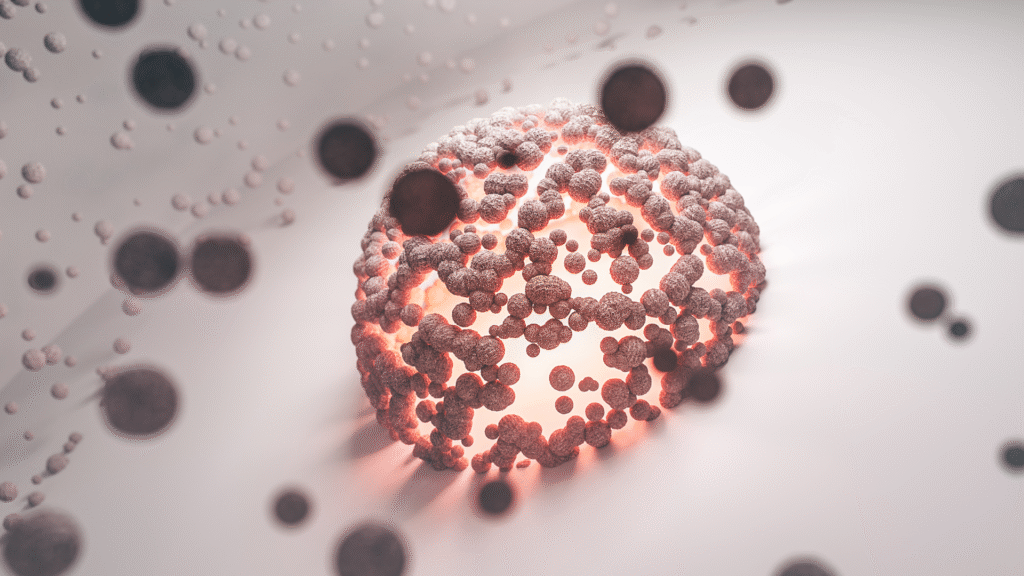
In recent years, a scientific revolution has been quietly brewing, reshaping our understanding of health and wellness from the inside out. The Microbiome Movement is at the forefront of this paradigm shift, uncovering the intricate relationship between our body’s internal ecosystem and its external resilience. While it might sound like the realm of microbiologists, the implications are vast and touch each one of us.
Imagine trillions of microscopic inhabitants living harmoniously within us, playing a crucial role in warding off illnesses, maintaining balance, and even influencing our mood and energy levels. This isn’t science fiction; it’s the burgeoning reality of how the microbiome, movement, and immune function are interconnected in ways we are only just beginning to comprehend.
As we delve into this fascinating frontier, consider this: could nurturing our gut microbiota be the key to unlocking enhanced immunity and overall health? Recent studies suggest that the microorganisms residing in our digestive tract could be as significant to our health as organs like the heart or lungs. By understanding and harnessing the power of these tiny allies, we may be on the brink of an immune function revolution.
Join us as we explore this groundbreaking field, revealing how these microscopic marvels could revolutionize the way we approach immunity, wellness, and disease prevention in the modern world.
The Basics of the Microbiome
The human microbiome is a vast community of microorganisms—bacteria, fungi, viruses, and protozoa—that inhabit our skin, mouth, gut, and other bodily surfaces. Far from being mere passengers, these microscopic residents perform essential tasks: they digest complex carbohydrates, synthesize vitamins, regulate inflammation, and train our immune system to distinguish friend from foe. Collectively, they form a dynamic ecosystem whose balance influences our health in profound ways.
When this delicate equilibrium is disrupted, or in “dysbiosis,” it can manifest as digestive issues, allergies, weakened immunity, or even chronic diseases like obesity and diabetes. Understanding “The Microbiome, Movement, and Immune Function” starts with appreciating how diversity within this microbial community fosters resilience. A rich and varied microbiome can adapt to environmental changes and resist colonization by harmful pathogens.
Conversely, low diversity—often linked to poor diet, antibiotic overuse, or excessive hygiene—can leave us susceptible to infections and inflammation. Modern research now recognizes that nurturing this internal ecosystem is not just a niche interest for microbiologists; it’s a vital component of preventive healthcare and personalized medicine, opening doors to novel therapies and lifestyle interventions aimed at restoring microbial harmony.
Understanding the Gut-Immune System Connection
The gut is often called the body’s “second brain,” not only for its extensive neural network but also for its central role in immune regulation. Roughly 70% of our immune cells reside in the gut-associated lymphoid tissue (GALT), interacting closely with gut microbes to distinguish harmless antigens from harmful invaders. This finely tuned dialogue ensures that beneficial bacteria are tolerated while pathogens are neutralized.
Disruption of this communication line—through poor diet, chronic stress, or antibiotic misuse—can trigger immune dysregulation. Overactive responses may lead to allergies and autoimmune diseases, while underactive defenses can leave us vulnerable to infections. By fostering a balanced gut microbiota, we can support optimal immune function, reduce inflammation, and boost our overall resilience to disease.
Factors Influencing Microbiome Health
Numerous factors shape the composition and stability of our microbiome throughout life. Diet and nutrition top the list: diets high in fiber, polyphenols, and fermented foods encourage beneficial bacteria, while high-fat, high-sugar diets can promote dysbiosis. Antibiotic use, although sometimes necessary, can decimate microbial populations, reducing diversity and paving the way for opportunistic pathogens to proliferate.
Beyond diet and medication, genetics also play a role in determining which microbial strains thrive in our bodies. Environmental exposures—such as pollution, toxins, and urban living—can further influence microbial communities. Early-life factors, including mode of birth (vaginal vs. cesarean), breastfeeding, and family environment, set the stage for lifelong microbiome patterns. Recognizing these influences empowers us to take targeted steps in supporting a healthy microbial ecosystem.
Impact of Diet on Microbiome Diversity
Diet is a primary driver of microbial diversity and function. High-fiber foods—whole grains, legumes, fruits, and vegetables—provide prebiotics, non-digestible fibers that feed beneficial gut bacteria. Fermented foods like yogurt, kefir, sauerkraut, and kimchi introduce live probiotics that can colonize the gut and enhance immunity.
Conversely, diets rich in processed foods, artificial sweeteners, and saturated fats can harm microbial diversity, leading to increased gut permeability and systemic inflammation. By consciously choosing nutrient-dense, unprocessed foods, we can cultivate a robust microbiome that supports immune health and overall well-being.
Probiotics and Their Role in Immune Function
Probiotics—live microorganisms that confer health benefits when consumed in adequate amounts—have become a cornerstone of microbiome-focused interventions. Strains like Lactobacillus and Bifidobacterium can enhance barrier function in the gut lining, preventing pathogenic bacteria from translocating into the bloodstream. They also modulate immune responses by stimulating the production of anti-inflammatory cytokines and regulating T-cell activity.
Clinical studies have shown that probiotic supplementation can reduce the incidence and severity of respiratory infections, alleviate symptoms of irritable bowel syndrome (IBS), and support recovery after antibiotic treatment. While individual responses vary, integrating high-quality probiotic-rich foods or supplements into your routine can be a strategic component of an immune function revolution centered on microbial health.
Lifestyle Practices for a Healthy Microbiome
Beyond diet and supplements, several lifestyle factors can nurture our internal ecosystem. Regular physical activity enhances gut motility, supports microbial diversity, and reduces inflammation. Aim for at least 150 minutes of moderate exercise per week, blending aerobic activities with strength training. Quality sleep is equally vital; poor sleep patterns can disrupt circadian rhythms that govern microbial behavior and immune regulation.
Stress management techniques—such as mindfulness meditation, yoga, or deep-breathing exercises—help maintain a balanced gut-brain axis. Minimizing unnecessary antibiotic use, choosing natural cleaning products over harsh antimicrobials, and spending time outdoors to encounter diverse environmental microbes further reinforce microbial resilience. Small, consistent changes in daily habits can yield significant improvements in gut health and immune function.
The Microbiome and Mental Health
The gut-brain axis embodies the bidirectional communication between our digestive tract and central nervous system. Gut microbes produce neurotransmitters—like serotonin and GABA—and metabolites called short-chain fatty acids (SCFAs) that influence mood, stress response, and cognitive function. Dysbiosis has been linked to anxiety, depression, and neurodevelopmental disorders.
Emerging research suggests that personalized microbiome interventions—such as diet adjustments, probiotic therapy, and even fecal microbiota transplantation—could complement traditional mental health treatments. By fostering a balanced gut environment, we may unlock novel strategies to support emotional well-being, resilience to stress, and overall mental health.
Innovations in Microbiome Research
Advances in DNA sequencing, metagenomics, and bioinformatics have propelled microbiome research into a new era. Scientists can now characterize microbial communities at species and strain levels, uncovering functional pathways that influence host health. Artificial intelligence and machine learning are being harnessed to predict disease risk and tailor personalized microbiome therapies.
Among the most promising innovations are next-generation probiotics engineered to deliver specific health benefits, precision prebiotics designed to feed targeted bacterial strains, and non-invasive diagnostic tests to monitor microbiome changes in real time. As these technologies mature, they hold the potential to transform preventive medicine, offering individualized solutions that harness the power of our microbial allies.
Practical Tips for Supporting Your Microbiome
Implementing microbiome-friendly habits doesn’t require drastic overhauls. Start by diversifying your plate with a rainbow of plant-based foods: fruits, vegetables, whole grains, nuts, and seeds. Incorporate fermented foods daily and consider a high-quality probiotic supplement if advised by a healthcare professional. Stay hydrated and limit refined sugars that can fuel harmful bacteria.
Adopt consistent sleep and exercise routines, and manage stress through practices that resonate with you, whether it’s journaling, yoga, or nature walks. Minimize unnecessary antibiotic courses, opting for narrow-spectrum agents when possible, and support your environment by avoiding harsh antimicrobials at home. By weaving these small steps into your daily life, you empower your internal ecosystem to thrive and bolster your immune defenses.
Embracing the Microbiome Revolution
We stand at the threshold of a health revolution driven by our understanding of the microbiome, movement, and immune function. By recognizing our microbial inhabitants as vital allies, we can adopt strategies that promote balance, resilience, and vitality from the inside out.
As research continues to unravel the complexities of this internal universe, the promise of microbiome-informed therapies and personalized nutrition grows ever closer. Embrace this movement and embark on a journey toward enhanced immunity, mental well-being, and lasting health.