
Witnessing the first steps of a toddler or the graceful movement of an elder mastering tai chi is a testament to the beauty of progress at every age. But understanding and celebrating these movement milestones can sometimes feel like navigating an uncharted path. Enter the world of movement milestone trackers for all ages—innovative tools designed to illuminate this journey from infancy to the golden years.
These trackers don’t just record steps; they provide insights into how we move and evolve, capturing the nuances of growth and change across generations. Imagine a device that not only captures the joyous leap of a child but also tracks the steady gait of an adult perfecting their morning walk. Movement milestone trackers for all ages are revolutionizing how we relate to our bodies and their stories.
Whether it’s noting a baby’s crawl or maintaining agility in senior years, these trackers offer a personalized glance into our physical development. They empower us to celebrate each stride, no matter how big or small, reminding us that movement is a universal language spoken by everyone. Join us as we unveil the top trackers that promise to enrich our lives with every step we take.
Understanding the Importance of Movement Milestones
Movement milestones represent critical markers in our physical development, signaling progress in strength, coordination, balance, and overall motor skills. From a baby’s first attempts to lift its head to an adult’s refined yoga pose, each milestone reflects our body’s capacity to adapt, learn, and grow. Recognizing these milestones allows caregivers, coaches, and individuals themselves to identify normative patterns, celebrate achievements, and address potential delays or setbacks before they become significant obstacles.
By placing emphasis on these landmarks, we foster a culture of awareness and proactive intervention. Parents can track their infant’s age-appropriate skills, athletes can gauge readiness for higher-intensity training, and seniors can monitor walking stability to prevent falls. Movement Milestone Trackers for All Ages facilitate this holistic approach, offering real-time data and historical context to inform decision-making.
With metrics on range of motion, gait analysis, and daily activity levels, users gain actionable insights. Ultimately, understanding the importance of these milestones empowers everyone—regardless of age—to optimize their movement journey, ensuring safety, motivation, and continual achievement.
Tracking Developmental Milestones in Infants and Toddlers
Early childhood development unfolds at a rapid pace, with infants and toddlers achieving new movement milestones weekly or even daily. Devices specifically designed for this age group help parents and pediatricians observe and document the progression from rolling over and sitting up to crawling and walking.
Accurate tracking in these formative months can pinpoint subtle delays and trigger timely interventions for conditions such as motor coordination disorders. Movement Milestone Trackers for All Ages tailored to little ones typically feature soft, hypoallergenic materials, lightweight sensors, and secure attachments that don’t hinder natural movement.
Data is often synced to user-friendly apps that translate complex metrics into easy-to-understand growth charts and milestone badges. By providing visual progress maps, these trackers not only inform caregivers but also offer encouragement as families celebrate each new achievement together.
Monitoring Physical Fitness Progress in Adults
For adults striving to maintain or enhance their physical fitness, consistent monitoring of movement patterns and bodily metrics is essential. Whether you’re a weekend warrior, an office worker combating sedentary habits, or simply someone focused on wellness, real-time feedback can support better goal-setting and accountability.
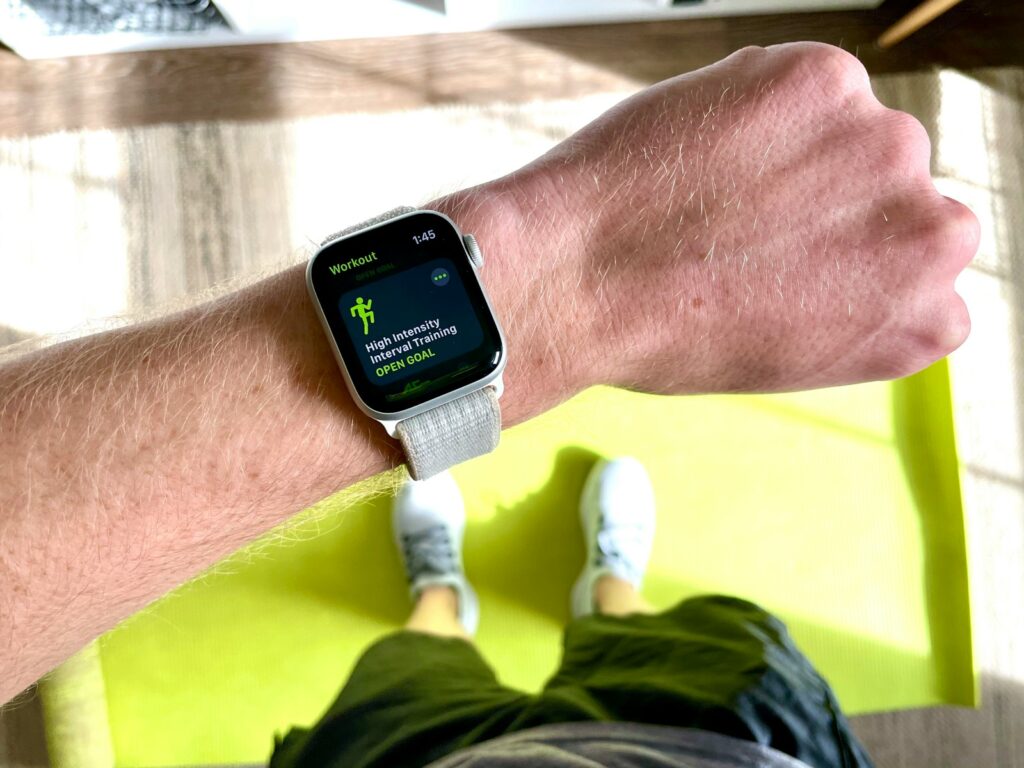
Modern trackers record variables like step count, active minutes, calories burned, and posture tendencies—allowing you to see where improvements can be made. Movement Milestone Trackers for All Ages equip adults with holistic insights beyond what a basic pedometer can offer. Advanced models measure heart rate variability during workouts, detect irregular gait patterns that may indicate injury risk, and even analyze sleep-related movement to gauge recovery quality.
Coupled with in-app coaching tips or integration with popular fitness platforms, these tools transform raw data into tailored action plans. Over time, users develop a deeper understanding of their bodies’ responses to different activities, leading to smarter training choices and sustainable progress.
Enhancing Athletic Performance with Specialized Trackers
Athletes of all levels benefit from data-driven performance analysis. Specialized trackers go beyond counting steps by measuring explosion power, stride length, reaction time, and lateral movement—metrics crucial for runners, basketball players, tennis enthusiasts, and more. By identifying technical inefficiencies or asymmetries, these devices help athletes refine their technique and reduce injury risk.
Movement Milestone Trackers for All Ages designed for athletic performance often pair small wearable sensors with powerful mobile or desktop analytics dashboards. Coaches can review split-second video synced to sensor data to pinpoint training adjustments. Wearable modules may attach to shoes, clothing, or equipment, while some systems leverage smart garments embedded with flexible electronics.
With detailed reports on VO2 max estimates, sprint intervals, and fatigue indicators, both amateur and professional athletes gain a competitive edge by fine-tuning their regimen based on precise feedback.
Promoting Active Aging Through Movement Tracking
As we age, maintaining mobility and balance becomes increasingly vital for preserving independence and quality of life. Tracking movement milestones in seniors helps families and healthcare providers detect subtle declines in gait, posture, or strength before serious issues like falls occur. Early identification of these changes can prompt corrective exercises or lifestyle adjustments to support active aging.
Movement Milestone Trackers for All Ages focused on older adults feature user interfaces with larger icons, voice prompts, and simplified dashboards to prevent technology frustration. Fall-detection alerts, medication reminders, and daily mobility goals encourage consistent engagement. By celebrating small victories—such as improved walking cadence or extended duration of tai chi practice—these trackers foster motivation and social connection when shared with care networks.
Ultimately, movement tracking empowers seniors to stay active, confident, and connected to their own health journey.
Exploring Features of Advanced Movement Milestone Trackers
Leading-edge trackers incorporate multisensory systems—accelerometers, gyroscopes, barometers, and optical sensors—to capture every nuance of motion. AI-driven algorithms analyze these data streams to classify activities, detect anomalies, and predict potential issues. Cloud storage ensures long-term data preservation, while encrypted transmission safeguards privacy.
Many devices also offer customizable dashboards, goal-setting modules, and social sharing capabilities. Integration with virtual coaching services and telehealth platforms enhances support and accountability—transforming movement milestone tracking from passive monitoring into an interactive health partnership.
As technology evolves, features like haptic feedback, voice transparency, and augmented reality overlays are becoming mainstream, enriching the user experience and deepening insights.
Comparing Wearable vs. Non-Wearable Tracker Options
Wearable trackers—wristbands, smartwatches, smart clothing, and sensor patches—provide continuous, personalized data collection. They offer accuracy in measuring steps, heart rate, and joint angles but require regular charging and may introduce skin sensitivity concerns for some users. Comfort and style also influence adherence over time.
Non-wearable options such as camera-based motion capture systems, floor sensors, and ambient room monitors offer hands-free convenience and comprehensive whole-body analysis. These systems are ideal for clinical or home-care settings where compliance is critical, but they typically come with higher costs and require installation.
Deciding between wearable and non-wearable solutions depends on lifestyle, budget, and the specific movement milestones under observation.
Integrating Tracker Data for Holistic Health Insights
Movement does not exist in isolation; it intersects with sleep quality, nutrition, stress levels, and mental well-being. Integrating movement milestone data with other health metrics—via health platforms like Apple Health, Google Fit, or dedicated EHR interfaces—creates a comprehensive picture of one’s overall condition.
Users and professionals alike can spot correlations, such as how better sleep improves balance or how dietary changes influence endurance. By combining datasets, predictive analytics can generate personalized recommendations, preempt potential injuries, and support chronic disease management.
For example, tracking fluctuations in daily steps alongside blood sugar readings can help diabetics regulate insulin more effectively. This systems-thinking approach underscores the power of interconnected health data, ensuring movement tracking becomes a key component in a larger ecosystem of wellness monitoring.
Leveraging Technology to Stay Motivated and Engaged
Staying consistent with movement goals requires motivation and accountability. Many trackers now incorporate gamification—earning badges, completing challenges, and engaging in friendly competitions with friends or community groups. Push notifications and wearable vibrations provide reminders to stand, stretch, or walk, while in-app coaching offers real-time encouragement.
Social features allow users to share milestones on social media or invite peers to joint fitness sessions, fostering a sense of camaraderie. Some platforms even employ AI-driven chatbots that check in on progress, celebrate achievements, and suggest adaptive goals based on performance trends.
By tapping into behavioral psychology and cutting-edge tech, these tools ensure that users remain engaged, inspired, and on track to celebrate every movement milestone.
Embracing Every Movement Milestone across Generations
From a child’s first wobbly steps to a senior’s graceful tai chi routine, movement milestones shape our life stories. Movement Milestone Trackers for All Ages empower us to honor these moments with precision and pride.
By leveraging wearable and non-wearable technologies, integrating data streams, and employing motivational design, we can support healthy development, peak athletic performance, and graceful aging. Embrace the journey—every step is worth celebrating.