
Have you ever felt sluggish or weighed down despite getting enough sleep and eating right? It might be your body’s way of hinting at the need for better circulation and lymph flow. Our lifestyles today often involve long hours sitting at desks or on couches, leading to restricted blood and lymph movement. This can leave your body feeling stagnant, much like a pond with no flowing water. The good news is that incorporating simple stretches into your daily routine can significantly enhance this essential bodily function, helping you feel rejuvenated and more energetic.
Studies show that stretching is not just about flexibility and muscle health but also plays a crucial role in promoting circulation and lymph flow. These improvements can lead to numerous health benefits, such as reducing inflammation, boosting immunity, and even improving mood. In this article, we will delve into the specific stretches that are most effective for this purpose and explain how they work their magic on your circulatory and lymphatic systems. Embark on this journey with us to discover how a few mindful movements can transform your overall well-being.
Importance of Circulation and Lymph Flow
Blood circulation and lymph flow are two complementary systems that keep our bodies functioning optimally. Blood vessels transport oxygen and essential nutrients to every cell in the body, while simultaneously carrying away metabolic waste. The lymphatic system, a vast network of vessels and nodes, collects excess interstitial fluid and returns it to the bloodstream, all while filtering out pathogens and toxins. When both systems operate smoothly, we enjoy improved immunity, faster healing, balanced fluid levels, and clearer skin. Conversely, sluggish circulation or lymphatic congestion can manifest as swelling, fatigue, brain fog, and increased susceptibility to infection.
Our modern sedentary lifestyles often lead to compromised circulation and lymph flow. Prolonged sitting or restricted movement reduces the natural pumping actions generated by muscle contractions, causing fluids to pool in the extremities and slowing down detoxification processes. That’s where Stretching for Circulation and Lymph Flow becomes a game-changer. By incorporating targeted stretches into your daily routine, you can reactivate these critical systems, support overall wellness, and mitigate the negative effects of long periods of inactivity.
The Link Between Stretching and Blood Circulation
Stretching plays a pivotal role in enhancing blood circulation by promoting vasodilation, the widening of blood vessels, which increases blood flow to muscles and tissues. When you perform a deliberate stretch, you trigger biochemical responses that release nitric oxide—a compound that relaxes the smooth muscles lining your blood vessels. As vessels expand, more blood can flow freely, delivering oxygen and vital nutrients where they are needed most. This process not only speeds up recovery and alleviates muscle soreness but also supports cardiovascular health by improving arterial compliance.
Different stretching techniques yield varying circulatory benefits. Dynamic stretches, which involve controlled movement through a range of motion, stimulate blood flow more rapidly and prepare the body for activity. Static stretches held for 20–30 seconds help maintain vessel elasticity and prevent stiffness. By regularly practicing Stretching for Circulation and Lymph Flow, you create a consistent stimulus that enhances capillary density, optimizes nutrient exchange, and minimizes the risk of injury. The result is a robust circulatory system that supports endurance, strength, and overall vitality.
Understanding the Lymphatic System
The lymphatic system is an extensive network of vessels, nodes, and organs that work together to maintain fluid balance, filter out harmful substances, and support immune function. Unlike the circulatory system, which relies on the heart to pump blood, the lymphatic system depends on muscle contractions, joint movements, and breathing to move lymph—a clear fluid containing immune cells—throughout the body. Lymph nodes act as checkpoints, trapping bacteria, viruses, and debris, which are then neutralized by white blood cells.
Because lymph fluid moves more slowly than blood, it can easily become congested if we remain inactive for extended periods. When lymph flow is restricted, toxins and waste products accumulate in the tissues, leading to inflammation, swelling, and a weakened immune response. That’s why targeted stretching—an integral part of Stretching for Circulation and Lymph Flow—is so beneficial. By gently compressing and releasing muscle groups, stretching helps propel lymph through its vessels, ensuring effective detoxification and bolstered immunity.
Benefits of Improved Circulation and Lymph Flow
Enhanced blood circulation and lymph flow deliver a wide array of health benefits. Improved circulation ensures that cells receive adequate oxygen and nutrients, accelerating tissue repair and reducing muscle soreness. A well-functioning lymphatic system clears toxins efficiently, helping to decrease inflammation and swelling in the body. Together, these systems optimize metabolic processes, support healthy weight management, and boost energy levels, making you feel more alert and capable of daily tasks.
Beyond the physical advantages, better circulation and lymphatic drainage can positively impact mental well-being. Oxygen-rich blood nourishes the brain, elevating mood and cognitive function, while a clear lymphatic flow reduces inflammatory compounds that can contribute to fatigue and “brain fog.” Regularly engaging in Stretching for Circulation and Lymph Flow can also produce a soothing effect on the nervous system, lowering stress hormones and fostering a greater sense of relaxation. The cumulative effect is a holistic improvement in both physical health and mental clarity.
Best Stretches for Enhancing Circulation
Before diving into targeted movements, it’s essential to warm up your body with gentle full-body stretches. Begin with simple arm swings, ankle circles, and gentle torso rotations to mobilize joints and prepare blood vessels for deeper work. This warm-up primes your muscles and lymphatic pathways, making subsequent stretches more effective.
Below are three categories of key stretches designed specifically for boosting blood circulation and lymph flow. Each section provides detailed instructions to help you perform the movements safely and reap maximum benefits.
Neck and Shoulder Stretches
Neck and shoulder areas are notorious for holding tension, especially after long hours at a desk. By focusing on these regions, you can stimulate local blood vessels and lymph nodes clustered around the clavicle and neck. A simple starting stretch is the neck tilt: sit or stand tall, gently drop your right ear toward your right shoulder until you feel a mild pull on the left side of your neck. Hold for 20–30 seconds, breathing deeply, then switch sides. Repeat two to three times on each side.
Another effective movement is the shoulder roll. Stand or sit with a straight spine, lift both shoulders toward your ears, then roll them back and down in a smooth circular motion. Perform 10 rolls in each direction. This action massages the trapezius and upper back muscles, increasing blood flow and helping lymphatic fluid pass through the axillary (armpit) nodes. To deepen the release, interlace your fingers behind your back, straighten your arms, and lift your chest slightly while drawing your shoulder blades together. Hold for 20 seconds and repeat twice.
Leg Stretches for Better Blood Flow
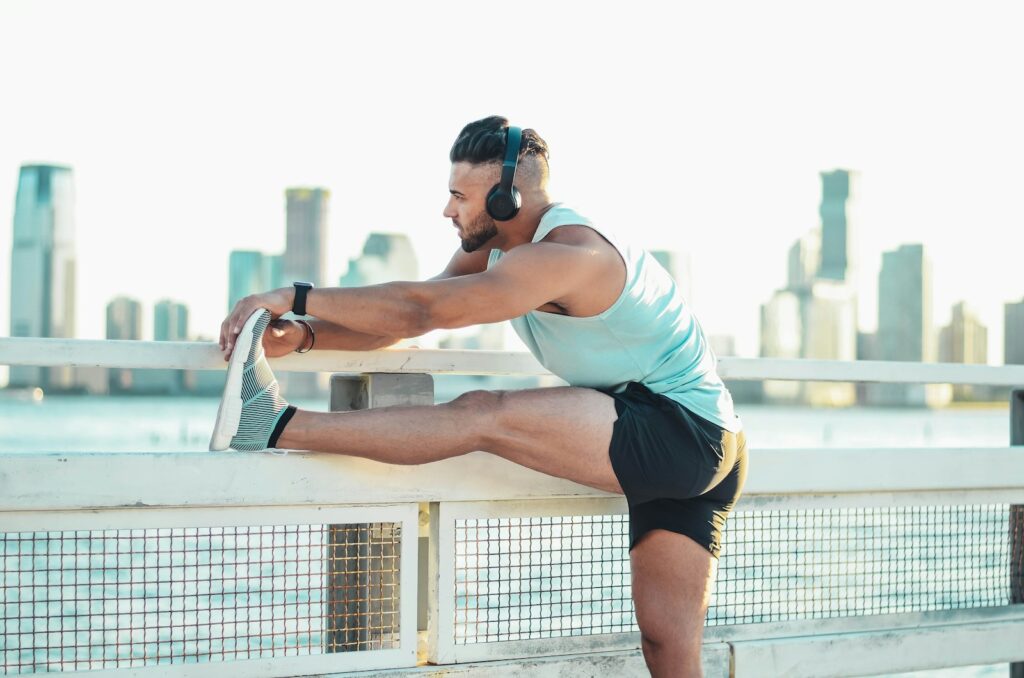
Leg muscles account for a significant portion of your body’s musculature, making them crucial pumps for both venous return and lymphatic movement. Hamstring stretches are a cornerstone: sit on the floor with one leg extended and the other bent so the sole of your foot rests against the opposite thigh. Hinge at the hips and reach toward your toes until you feel a comfortable stretch along the back of your leg. Maintain the position for 20–30 seconds and repeat three times per leg.
Calf stretches can be performed standing at a wall: place your hands on the wall at shoulder height and step one foot back, keeping it straight and the heel pressed into the floor. Lean forward until you feel a stretch in your calf muscle. Hold for 20–30 seconds, then switch sides. These stretches not only improve flexibility but also activate deep vessels in the legs, enhancing blood flow back up to the heart. For a dynamic alternative, try ankle pumps: lie on your back with legs extended and flex your toes toward you, then point them away repeatedly for 30 seconds to kick-start circulation.
Core Strengthening Stretches
The core is more than just abdominal muscles—it includes the diaphragm, pelvic floor, and spinal stabilizers, all of which play a role in assisting fluid movement throughout the body. Cat-Cow pose, a staple in yoga, is particularly effective. Begin on hands and knees, inhaling as you drop your belly toward the floor and lift your gaze (Cow), then exhaling as you round your spine and tuck your chin (Cat). Perform this flow for 8–10 breaths to stimulate circulation in the torso and support lymphatic drainage around the kidneys and digestive organs.
Cobra stretch is another powerful core opener. Lie face down, place your hands under your shoulders, and press up into a gentle backbend, keeping your elbows slightly bent. Lift your chest and gaze forward while engaging your lower back and abdominal muscles. Hold for 20 seconds, then slowly release. This movement not only lengthens the front body but also massages internal organs, promoting better lymphatic filtration and aiding in detoxification. Repeat two to three times, focusing on smooth, controlled breaths.
Incorporating Mindfulness into Your Stretching Routine
Mindfulness enhances the effects of stretching by encouraging you to tune into bodily sensations, regulate your breathing, and quiet mental chatter. Begin your session by finding a comfortable seated position, closing your eyes, and taking several deep, diaphragmatic breaths. As you inhale, imagine drawing fresh, oxygen-rich blood into your muscles; as you exhale, envision releasing tension and stagnant fluid. Establishing this mindful foundation primes both the circulatory and lymphatic systems for improved function during each stretch.
During each movement, focus on the specific area being targeted. Notice the gentle pull of the muscle, the expansion of your rib cage, and the rhythm of your breath. Engaging in this level of attentiveness not only deepens the stretch but also activates the parasympathetic nervous system, which supports restful digestion and efficient lymphatic drainage. To further cultivate mindfulness, consider incorporating a brief meditation or body scan at the end of your routine. This practice reinforces mind-body connection, reduces stress hormones, and maximizes the benefits of Stretching for Circulation and Lymph Flow on both physical and mental well-being.
Embracing the Power of Stretching for Overall Wellness
Incorporating regular stretching sessions into your daily life can profoundly impact your circulatory and lymphatic health. By engaging in targeted movements for the neck, shoulders, legs, and core—paired with mindful breathing—you unlock a cascade of benefits, including reduced inflammation, enhanced immunity, and increased energy.
Whether you’re an athlete seeking faster recovery or someone battling the effects of a sedentary lifestyle, Stretching for Circulation and Lymph Flow offers a simple yet powerful tool to support holistic wellness. Commit to these practices, and experience how mindful stretching can invigorate your body and mind.