
In today’s fast-paced world, where fitness trends come and go faster than the seasons, finding a sustainable workout routine can feel like searching for a needle in a haystack. Yet, amid this chaos, many are beginning to realize the incredible potential of home workouts in achieving long-term health success. The convenience of exercising at your own pace, in the comfort of your living room, is not only appealing but also increasingly recognized as an effective way to maintain a healthy lifestyle. Transitioning from occasional exercise to a consistent routine can be transformative, offering benefits that extend far beyond physical appearance.
Imagine transforming your living room into a personal sanctuary of wellness—a place where you can achieve your fitness goals without the hassle of commuting to a gym or investing in expensive equipment. Home workouts have evolved significantly, providing diverse and accessible options for people of all fitness levels. Whether you’re a busy parent juggling work and family life or someone simply seeking a more adaptable fitness plan, discovering the best home workouts to support long-term health can truly be a game-changer. This post will guide you through the most effective routines that promise not just quick results but enduring health benefits, empowering you to take control of your fitness journey right from home.
Benefits of Home Workouts for Long-Term Health
Home workouts offer unparalleled flexibility and accessibility, two crucial factors in sustaining a long-term exercise habit. Without the need to travel to a gym or adhere to class schedules, you can fit short or extended sessions into your day at any time. This self-directed approach reduces barriers like traffic, limited gym hours, or overcrowded facilities, making it much easier to stay consistent. Over weeks and months, this consistency translates into improved cardiovascular health, stronger muscles, and better joint function—cornerstones of long-term health maintenance.
Beyond the physical perks, home workouts support mental and emotional well-being. Exercising in a familiar environment can reduce anxiety and boost confidence, particularly for beginners who may feel self-conscious in a public gym. Customized playlists, comfortable attire, and the freedom to experiment without outside judgment foster a positive mindset around movement. Ultimately, these psychological benefits reinforce the habit loop: you feel good after exercising, you’re motivated to do it again, and before you know it, you’ve integrated one of the best home workouts to support long-term health into your daily routine.
Setting Up Your Home Workout Space
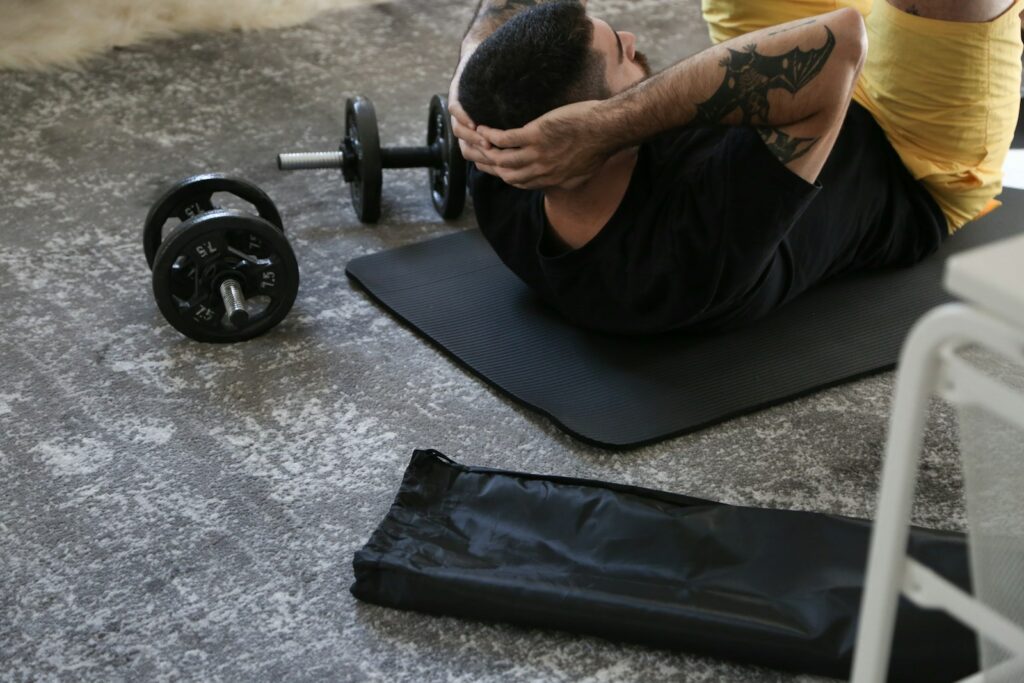
An effective workout space at home begins with selecting the right location. Choose an area with enough room to move freely, ideally near a window for natural light and fresh air. If space is limited, clear out a corner of your living room or bedroom; even a 6×6 foot area can suffice. Lay down a quality exercise mat for cushioning or add interlocking foam tiles to protect both your floor and your joints. The key is to create a dedicated zone that mentally signals “exercise time” whenever you step into it.
Next, equip your space with versatile tools that suit your fitness level and goals. A set of resistance bands, adjustable dumbbells, and a jump rope can cover strength, mobility, and cardio without breaking the bank. As you progress, you may invest in items like a kettlebell, stability ball, or pull-up bar. Ensure all equipment is stored neatly—use wall hooks, shelving, or small baskets—to maintain an organized environment that encourages regular use rather than collecting dust.
Finally, set the mood. Good lighting, motivating wall art or quotes, and a quality speaker or headphones can turn your workout corner into an inspiring personal studio. Consider a small fan for air circulation and a water station within arm’s reach. When your home gym feels inviting and functional, you’re more likely to stick with the routine and reap the long-term health rewards.
Cardiovascular Home Exercises for Endurance
Cardio workouts at home are essential for strengthening the heart, boosting lung capacity, and burning calories. You don’t need a treadmill or stationary bike to elevate your heart rate—simple bodyweight moves can be just as effective. Begin each cardio session with a 5-minute dynamic warm-up, including arm circles, leg swings, and light jogging in place to prepare your muscles and joints for the work ahead.
Incorporate a mix of low-impact and higher-impact exercises to reduce injury risk while keeping routines fresh. For example, alternate between jumping jacks, high knees, butt kickers, and step taps on a sturdy chair or box. Aim for 30 to 60 seconds of work followed by 15 to 30 seconds of rest, repeating for 3 to 5 rounds. This structure not only builds endurance but also improves coordination and agility—key components of functional fitness that benefit everyday activities.
For those seeking variety, dance cardio or shadowboxing sessions can add a fun twist to your regimen. Follow a guided online class or create your own choreography to your favorite upbeat tracks. Not only will you elevate your heart rate, but you’ll also boost mood and motivation. Remember, consistency is king: by integrating these cardiovascular exercises into your weekly plan, you’ll set the foundation for sustained endurance and overall health.
Strength Training Workouts for Muscle Development
Building muscle at home is entirely feasible with minimal equipment and a well-structured program. Bodyweight exercises like push-ups, squats, lunges, and glute bridges can target all major muscle groups. To increase resistance, incorporate tools such as dumbbells, resistance bands, or a kettlebell. Begin with 2 to 3 sets of 8 to 15 repetitions per exercise, focusing on proper form and controlled movements to maximize muscle activation and minimize injury risk.
Progressive overload is the principle of gradually increasing workout intensity to continue making gains. You can achieve this by adding more weight, increasing reps, or reducing rest intervals. For example, once standard push-ups become manageable, try decline push-ups or push-ups with a resistance band. Similarly, perform split squats on an elevated surface or hold dumbbells at your sides to challenge your lower body further. This constant adaptation keeps muscles growing and prevents plateaus.
Balance is also crucial. Ensure you train opposing muscle groups evenly—don’t focus solely on chest and neglect back muscles. Incorporate pulling movements like bent-over rows or banded pull-aparts alongside pressing exercises. Core work, including planks and Russian twists, supports overall strength and stability. With a consistent routine and mindful progression, home-based strength training can deliver the muscle development and metabolic boost you need for long-term health success.
Flexibility and Mobility Routines for Overall Wellness
Integrating flexibility and mobility routines into your home workout regimen helps maintain joint health, reduces injury risk, and enhances your performance in other exercise modalities. A well-rounded session includes both dynamic stretches before workouts and static stretches during the cool-down. Dynamic moves—such as leg swings, arm circles, and hip openers—prime your muscles and joints for movement, improving your range of motion and muscle activation.
After strength or cardio training, dedicate 10 to 15 minutes to static stretching. Hold each stretch for 20 to 30 seconds, focusing on major muscle groups: hamstrings, quadriceps, hip flexors, chest, shoulders, and calves. Incorporate yoga-inspired poses like the downward dog, pigeon stretch, and child’s pose to target multiple areas simultaneously. Performing these stretches regularly will enhance flexibility over time, making daily tasks and workouts easier and more efficient.
Mobility tools such as foam rollers, massage balls, or a lacrosse ball can further support tissue recovery and joint health. Spend a few minutes rolling tight muscle areas, pausing on tender spots to release knots and improve circulation. This myofascial release technique complements your stretching routine, promoting faster recovery and greater elasticity. By prioritizing flexibility and mobility, you’ll enhance your overall wellness and ensure your body stays resilient as you pursue the best home workouts to support long-term health.
High-Intensity Interval Training (HIIT) for Efficient Results
High-Intensity Interval Training (HIIT) is a powerful method that alternates short bursts of intense activity with brief recovery periods. This approach maximizes calorie burn, boosts cardiovascular fitness, and elevates metabolic rate long after the workout ends. HIIT sessions can be as brief as 15 to 20 minutes, making them ideal for busy schedules without sacrificing effectiveness.
To structure a HIIT workout at home, choose 4 to 6 exercises—such as burpees, mountain climbers, squat jumps, and plank jacks. Perform each move at near-maximal effort for 30 to 45 seconds, followed by 15 to 20 seconds of rest. Complete 3 to 4 circuits, resting for one minute between rounds. This pattern challenges your anaerobic and aerobic systems simultaneously, driving significant improvements in endurance, power, and fat loss.
Safety and proper form are paramount in HIIT. Warm up thoroughly to prepare muscles and joints, and monitor your intensity to avoid overexertion. Beginners may start with longer rest intervals or fewer circuits, gradually increasing intensity as fitness improves. With consistency, HIIT becomes a go-to strategy for efficient, high-impact workouts that support your long-term health goals.
Yoga and Meditation Practices
Combining yoga and meditation with your home fitness routine fosters a strong mind-body connection, enhancing both mental well-being and physical performance. Yoga sequences—such as sun salutations, warrior flows, and balance poses—improve strength, flexibility, and proprioception. These low-impact movements complement more intense workouts, offering active recovery and stress relief.
Incorporating meditation before or after exercise can further amplify benefits. Even five to ten minutes of focused breathing or guided visualization reduces cortisol levels, calms the nervous system, and sharpens mental clarity. Apps and online resources provide structured sessions that suit beginners and experienced practitioners alike. Regular practice builds resilience to stress, improves sleep quality, and nurtures a positive mindset—essential ingredients for maintaining motivation and consistency.
By weaving yoga and meditation into your weekly plan, you create a holistic fitness framework that honors both body and mind. This integrated approach supports physical recovery, prevents burnout, and deepens your commitment to long-term health.
Tracking Progress and Staying Motivated
Tracking your workouts and measuring progress are vital to staying motivated and making informed adjustments. Use a fitness journal, digital app, or simple spreadsheet to log exercise type, duration, intensity, and any notes on performance or how you feel. Reviewing past entries helps you recognize patterns, celebrate milestones, and identify areas that need improvement.
Set SMART goals—Specific, Measurable, Achievable, Relevant, and Time-bound—to maintain focus. For instance, aim to increase your plank hold by 30 seconds within four weeks, or add two more push-up reps per session. Breaking larger objectives into bite-sized targets ensures steady progress and frequent wins, boosting confidence and adherence.
Accountability is another powerful motivator. Share your goals with a friend or join online communities where you can exchange tips, challenges, and support. Virtual workout buddies or social media hashtags dedicated to home fitness create a sense of camaraderie that encourages consistency. With clear tracking and a support network, you’ll stay engaged on your journey toward long-term health success.
Nutrition Tips to Support Your Home Workout Routine
Optimal nutrition fuels your workouts and accelerates recovery, making it an indispensable element of any fitness plan. Prioritize whole, nutrient-dense foods: lean proteins (chicken, fish, legumes), complex carbohydrates (oats, quinoa, sweet potatoes), and healthy fats (avocado, nuts, olive oil). These macronutrients provide sustained energy, support muscle repair, and regulate hormones essential for exercise adaptation.
Hydration is equally important. Aim for at least eight glasses of water daily, increasing intake on workout days to replace fluids lost through sweat. Electrolyte-rich drinks or natural sources such as coconut water can help maintain mineral balance, especially during high-intensity or longer sessions.
Pre- and post-workout nutrition should be timed strategically. Consume a balanced snack—like Greek yogurt with berries or a banana with almond butter—30 to 60 minutes before exercising to top off energy stores. Within 30 to 45 minutes after your session, refuel with a combination of protein and carbs, such as a protein shake and fruit, to promote muscle recovery and glycogen replenishment. By aligning your diet with your training demands, you’ll maximize results and reinforce the benefits of your home workouts.
Embracing a Sustainable Fitness Lifestyle
Discovering and committing to the best home workouts to support long-term health is about more than just quick fixes—it’s about building a balanced, adaptable routine that fits your life. By combining cardiovascular, strength, flexibility, and mind-body practices, you create a holistic program that evolves with your goals and lifestyle.
With dedicated tracking, strategic nutrition, and an inviting workout space, you’ll find it easier to stay motivated and consistent. Embrace this sustainable approach, and you’ll not only achieve but maintain lasting wellness, proving that the most effective gym might just be your own home.