
A close-up view of a man holding his tummy while sitting on a couch, highlighting lifestyle choices.

How Excess Weight Increases Your Cancer Risk

We often hear about the connection between a healthy lifestyle and cancer prevention, but what about the specific role of weight in this complex equation? Society tends to focus on excess weight as a risk factor for heart disease, diabetes, and mobility issues, yet its impact on cancer risk is frequently overlooked. It’s not just a concern for your heart—excess weight can also significantly increase your risk for certain cancers. With the global obesity epidemic on the rise, understanding this connection has never been more crucial.

In fact, recent studies show alarming statistics: more than 13 types of cancer have been directly linked to excess weight. From increased inflammation to hormonal imbalances, carrying extra pounds can create an environment where cancer cells thrive. Recognizing these risks is the first step toward making informed decisions about your health. As we delve deeper into the science behind how excess weight increases your risk for certain cancers, you’ll uncover why shedding those extra pounds could be one of the most important steps in cancer prevention.

How Excess Weight Increases Your Cancer Risk Read More »
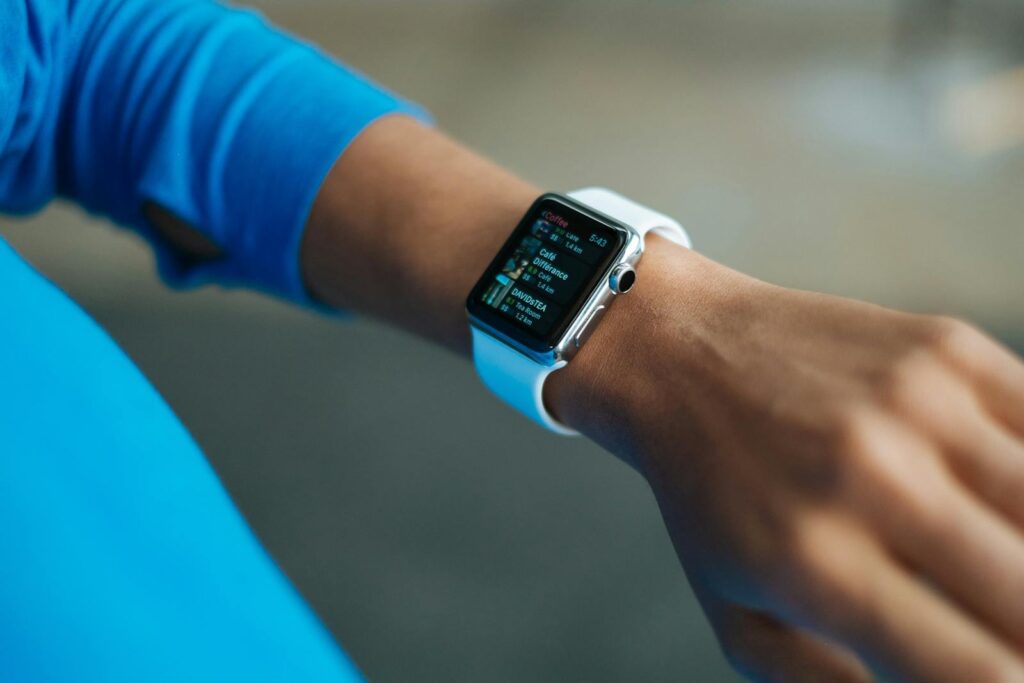
Focus on a smartwatch worn on an adult's wrist, showcasing its digital display.

Discover What Wearables Can and Can’t Tell You About Your Cancer Risk

Imagine a world where your watch could alert you to potential health risks, long before you step foot in a doctor’s office. With the rapid rise of wearable technology, this is no longer a mere science fiction fantasy. Devices that once only counted steps are now capable of monitoring heart rates, sleep patterns, and even stress levels. The promise of these devices extends even further, with some suggesting they might predict serious health conditions, such as cancer. But how much can we really rely on them to assess something as complex as cancer risk?

Diving into the topic of what wearables can (and can’t) tell you about your cancer risk is both fascinating and essential. While these gadgets offer incredible insights into our daily lives and general wellness, there are limitations to their capabilities. Their sensors can provide a wealth of data, but interpreting these metrics in the context of cancer prevention is another matter entirely. By understanding both the potential and the boundaries of wearable technology, we can make more informed decisions about our health and embrace technology as a partner in our journey to well-being. Discover how these advancements can empower you, while also recognizing the areas where traditional medical expertise still reigns supreme.

Discover What Wearables Can and Can’t Tell You About Your Cancer Risk Read More »

Diverse group holding health awareness ribbons, showing unity and support.

Managing Cancer-Related Fatigue Through Gentle Daily Movement

Cancer-related fatigue is an overwhelming experience that can leave even the strongest individuals feeling utterly depleted. Imagine waking up each morning feeling as though you’ve run a marathon in your sleep, only to face another day with little to no energy. This pervasive exhaustion is not simply about being tired; it’s an all-encompassing weariness that affects every aspect of life. But what if the secret to reclaiming some of that lost vitality lies not in drastic measures, but in gentle, daily movement?

It may seem counterintuitive to combat fatigue with activity, but incorporating gentle daily movement into your routine can become a powerful ally in managing cancer-related fatigue. Research suggests that low-impact exercises, such as walking or stretching, can significantly boost energy levels and improve overall well-being. These small steps create a ripple effect, inspiring hope and resilience amidst the challenges of cancer treatment. In this blog post, we’ll explore how gentle movement can become an integral part of your journey to feeling more vibrant and alive despite the fatigue clouding your days.

Managing Cancer-Related Fatigue Through Gentle Daily Movement Read More »

Young woman smiling and wearing earphones, preparing for an outdoor workout on a sunny day.

Overcoming What Holds You Back

Picture this: you’re sitting on your couch, scrolling through social media, when you stumble upon an article about a friend who just moved to an exotic location, starting a new adventure. A seed of inspiration is planted, and you daydream about making a similar bold move. But before you know it, doubts creep in, whispering all the reasons why staying put is easier. What keeps people from moving—and how to overcome it—is like an invisible barrier that many of us face.

The thought of relocating can be both exhilarating and daunting. While the allure of new opportunities and a fresh start beckons, the fear of the unknown often holds us back. Whether it’s the comfort of familiarity, financial concerns, or emotional attachments, understanding these barriers is the first step to breaking free. In this post, we’ll delve into these common fears and provide actionable strategies to help you conquer them. Ready to turn those dreams into reality? Let’s unlock the path to your next big move.

Overcoming What Holds You Back Read More »

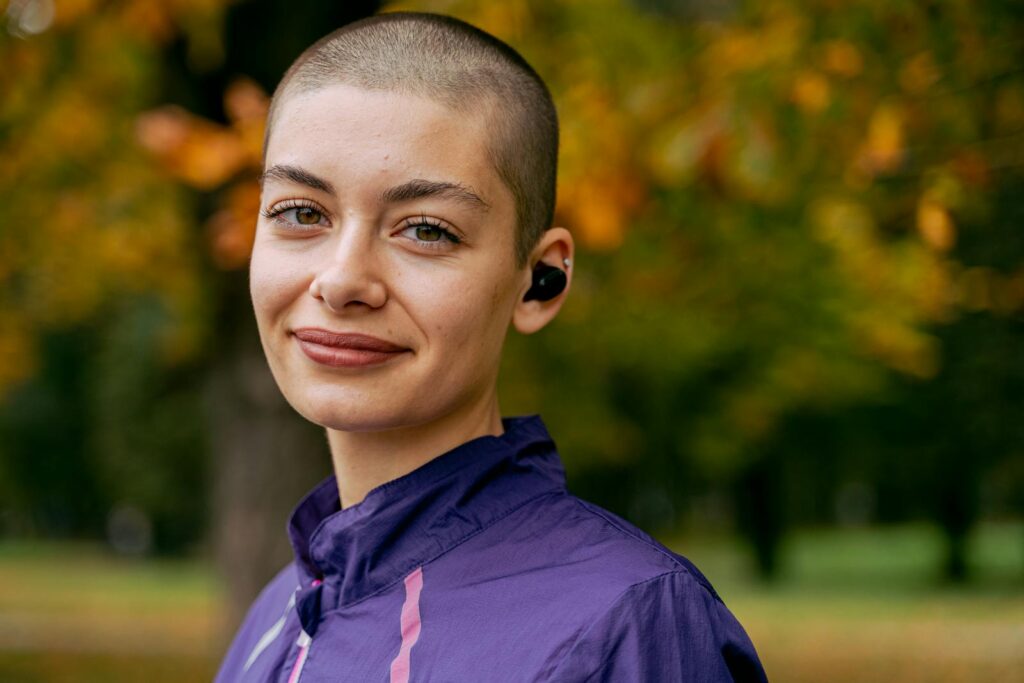
Portrait of a woman with a buzzcut wearing earbuds outdoors in autumn.

Defend Your Health in Just 10 Minutes a Day

Scientific studies have increasingly highlighted how brief but consistent daily movements can significantly bolster your body’s defenses against cancer. In a world where time is a precious commodity, finding a quick and effective strategy to maintain your health is not just convenient—it’s essential.

Welcome to “The 10-Minute Anti-Cancer Movement Plan You Can Start Today.” This isn’t just another fitness fad; it’s a carefully crafted routine that combines simplicity with powerful health benefits. Whether you’re constantly on the move or someone who struggles to find time for self-care in your daily schedule, this plan is designed to seamlessly fit into your life. It challenges the misconception that effective health regimens require hours of commitment, proving instead that a few intentional movements can indeed make a significant difference. Get ready to transform the way you think about exercise and take a proactive step in protecting your well-being.

Defend Your Health in Just 10 Minutes a Day Read More »