
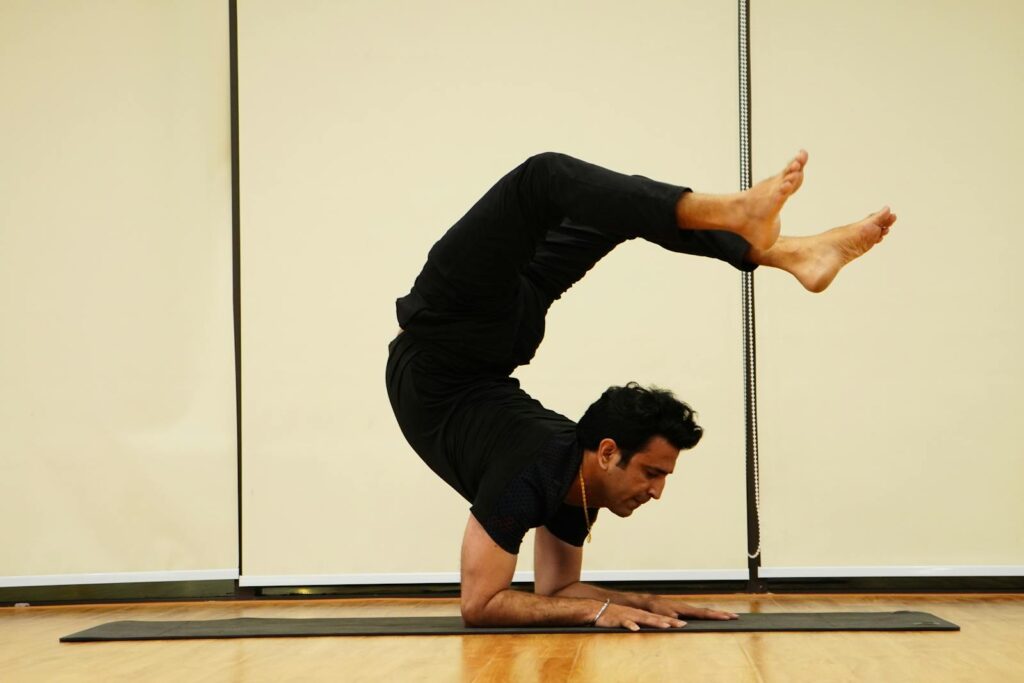
As we journey through the different phases of life, the importance of maintaining balance and strength becomes increasingly evident. The ability to move with confidence and stability not only enhances our quality of life but also safeguards us from the pitfalls of aging like falls and injuries. Yet, as years go by, the challenge of sustaining our physical prowess can feel daunting.
But what if I told you that integrating age-appropriate activities into your routine could be the simple solution you’re seeking? Incorporating exercises tailored to your age and abilities isn’t just about avoiding the frailties of aging—it’s about embracing vitality at every stage of life. Whether it’s gentle yoga to improve flexibility or strength training to bolster muscle mass, there are countless ways to keep your body agile and resilient.
These activities are not merely a means to an end but a pathway to a healthier, more vibrant life that empowers you to continue doing the things you love, regardless of age. So, let’s delve into the transformative power of maintaining balance and strength through age-appropriate activity and unlock a future full of poise and vigor.
Importance of Balance and Strength Maintenance
Maintaining balance and strength through age-appropriate activity is more than just a fitness goal—it’s a foundational strategy for long-term health and independence. As we grow older, our muscle mass naturally declines, and our neuromuscular coordination can slow, making everyday tasks like standing from a chair or climbing stairs more challenging.
By actively focusing on balance exercises (like single-leg stands or heel-to-toe walks) and strength training (using body weight, resistance bands, or light weights), we can counteract these age-related changes. This proactive approach not only reduces the risk of falls and associated injuries but also supports joint health, bone density, and postural alignment, all of which contribute to a more resilient, agile body.
Beyond the physical safeguards, there are psychological and emotional benefits to maintaining good balance and strength. Confidence in one’s physical capabilities fosters a positive self-image and encourages continued engagement in social and recreational activities. This, in turn, supports cognitive function and mental wellbeing, as active individuals often report lower levels of stress, anxiety, and depression.
By prioritizing balance and strength maintenance, you’re investing in a holistic approach to wellness—one that safeguards mobility, enriches daily life, and sustains independence as you navigate each decade with grace and confidence.
Benefits of Age-Appropriate Activities
Age-appropriate activities are specifically designed to align with the physiological needs and limitations of different life stages. In youth and early adulthood, these exercises might focus on developing coordination and peak cardiovascular performance. For those in middle age, the emphasis often shifts toward preserving muscle mass, joint health, and metabolic function.
In later years, the priority becomes fall prevention, maintaining bone density, and nurturing functional mobility through gentle, low-impact movements. Tailoring activities to one’s age and ability ensures both safety and optimal benefit, reducing the risk of strain or injury that can arise from mismatched exercise intensity. Furthermore, age-appropriate exercise regimens enhance motivation and adherence.
When individuals feel that a program acknowledges their unique needs and capabilities—rather than imposing unrealistic expectations—they are more likely to stick with it over the long term. Consistency is key to reaping the cumulative rewards of physical activity: stronger muscles, improved balance, enhanced flexibility, and better cardiovascular health.
By choosing activities that resonate with your life stage, you transform exercise from a chore into an empowering ritual that supports lifelong wellness.
Assessing Your Physical Abilities
Before diving into any new exercise routine, it’s crucial to perform a self-assessment of your current fitness levels, mobility, and any medical considerations. Simple functional tests—such as timing how long it takes to walk a set distance, noting how many sit-to-stand repetitions you can do in 30 seconds, or gauging your reach in a seated forward bend—offer valuable benchmarks.
Consulting a healthcare provider or certified trainer can help you identify areas of strength and weakness, ensuring that you choose activities that match your present capabilities. Equally important is acknowledging any chronic conditions or past injuries. If you have osteoarthritis, osteoporosis, or cardiovascular concerns, you may need modified routines that minimize joint impact or gradually build endurance.
Documenting your baseline performance not only guides your initial program design but also provides measurable milestones to celebrate as you progress. Accurate self-assessment lays the groundwork for a sustainable exercise plan centered on maintaining balance and strength through age-appropriate activity, helping you advance safely and confidently.
Types of Age-Appropriate Activities
Age-appropriate activities fall into four main categories: flexibility exercises, resistance training, balance and stability workouts, and cardiovascular/endurance routines. Each type serves a distinct purpose, whether it’s preserving joint range of motion, building or preserving muscle mass, sharpening proprioception, or boosting heart and lung capacity.
A well-rounded program combines elements from each category, ensuring comprehensive support for both daily function and long-term vitality. Whether you’re just starting out or looking to refine your existing routine, choosing a variety of activities keeps your workouts engaging and helps prevent overuse injuries.
By rotating through different formats—such as a yoga-based flexibility session, a circuit of light weightlifting, a balance-focused class, and a brisk walk or cycling segment—you cultivate a resilient body that responds adaptively to life’s demands. This holistic approach is the essence of maintaining balance and strength through age-appropriate activity.
Incorporating Flexibility Exercises
Flexibility exercises are the cornerstone of maintaining joint health and preventing muscle stiffness, both of which become increasingly important as we age. Gentle stretches enhance the range of motion, facilitate better posture, and reduce the likelihood of strains or sprains. Popular modalities include static stretching, where a muscle is held in a lengthened position, and dynamic stretching, which involves controlled movement through a joint’s full range.
Incorporating flexibility work into your regimen promotes smoother, more efficient movements in daily life—whether you’re reaching for a shelf or bending to tie your shoes. Dedicate at least 10–15 minutes per session to stretching, ideally after a light warm-up to increase blood flow.
Over weeks and months, you’ll notice not only improved mobility but also a reduction in muscular tension and discomfort, laying the groundwork for safer, more effective strength and balance training.
Building Strength Through Resistance Training
Resistance training is vital for counteracting the natural muscle loss that accompanies aging. Incorporating exercises such as squats, lunges, push-ups, and rows—performed with body weight, resistance bands, dumbbells, or machines—helps maintain and build muscle fibers. Aim for two to three sessions per week, focusing on major muscle groups and allowing for adequate rest between workouts to facilitate recovery and growth.
Beginners can start with one set of 8–12 repetitions per exercise, gradually increasing to two or three sets as strength and confidence improve. It’s important to emphasize proper form, controlled movements, and steady breathing to minimize injury risk. Over time, progressive overload—incrementally increasing resistance or repetitions—encourages continual strength gains.
Beyond aesthetics, stronger muscles improve balance, support joints, and enhance metabolic rate, making everyday tasks easier and reducing the likelihood of falls or fractures.
Enhancing Balance with Stability Workouts
Balance training directly addresses proprioception—the body’s awareness of its position in space—and muscular coordination. Simple exercises like standing on one foot, shifting weight from side to side, or walking a straight line heel-to-toe can be advanced with the addition of unstable surfaces (e.g., balance pads or foam rollers) or by closing the eyes to challenge sensory input.
Incorporate balance drills at least two to three times weekly to see tangible improvements. Over time, progressing to dynamic activities—such as single-leg deadlifts or standing wood chops—further engages the core and lower body stabilizers. These movements not only enhance everyday steadiness (like navigating uneven terrain) but also contribute to a stronger, more supportive midsection.
Better balance translates directly to fewer trips and falls, empowering you to move through life with greater confidence and reduced fear of injury.
Cardiovascular Health and Endurance Activities
Cardiovascular endurance is a critical pillar of overall fitness, affecting heart health, lung capacity, and metabolic efficiency. Age-appropriate cardio activities include brisk walking, cycling, swimming, or low-impact aerobics, each of which can be easily modified to match individual fitness levels. The goal is to accumulate at least 150 minutes of moderate-intensity exercise per week, broken into manageable sessions of 20–30 minutes.
For added variety and challenge, incorporate interval training—alternating periods of higher intensity with recovery periods. This approach boosts calorie burn, improves vascular function, and promotes better glucose regulation. As endurance improves, you may notice increased stamina for both exercise sessions and daily tasks—climbing stairs becomes less taxing, and you feel more energized throughout the day.
Prioritizing cardiovascular work alongside strength and balance training is key to a comprehensive, age-appropriate activity program.
Creating a Balanced Activity Routine
Designing a sustainable, enjoyable weekly plan involves integrating elements of flexibility, strength, balance, and cardio into a cohesive schedule. For example, you might alternate strength training on Mondays and Thursdays, balance-focused sessions on Tuesdays, cardiovascular workouts on Wednesdays and Saturdays, and flexibility work on the remaining days. Adjust rest days based on how your body feels and ensure you’re not overloading a single muscle group.
Tracking your activities—whether through a fitness journal, an app, or simple calendar notes—helps maintain accountability and reveals progress over time. Periodically reassess your abilities and goals, making tweaks to intensity, duration, or variety to keep workouts fresh and effective. By weaving diverse, age-appropriate activities into your routine, you cultivate a vibrant lifestyle that supports maintaining balance and strength through each passing year.
Embracing Vitality at Every Stage
Maintaining balance and strength through age-appropriate activity is not a luxury but a necessity for living well at any age. By intentionally combining flexibility, resistance, stability, and endurance exercises, you safeguard against decline and empower yourself with greater mobility, confidence, and resilience.
Start today by assessing your current capabilities, selecting activities that resonate with your goals, and committing to a balanced weekly plan. Embrace each workout as an investment in your future well-being—your body and mind will thank you for years to come.