
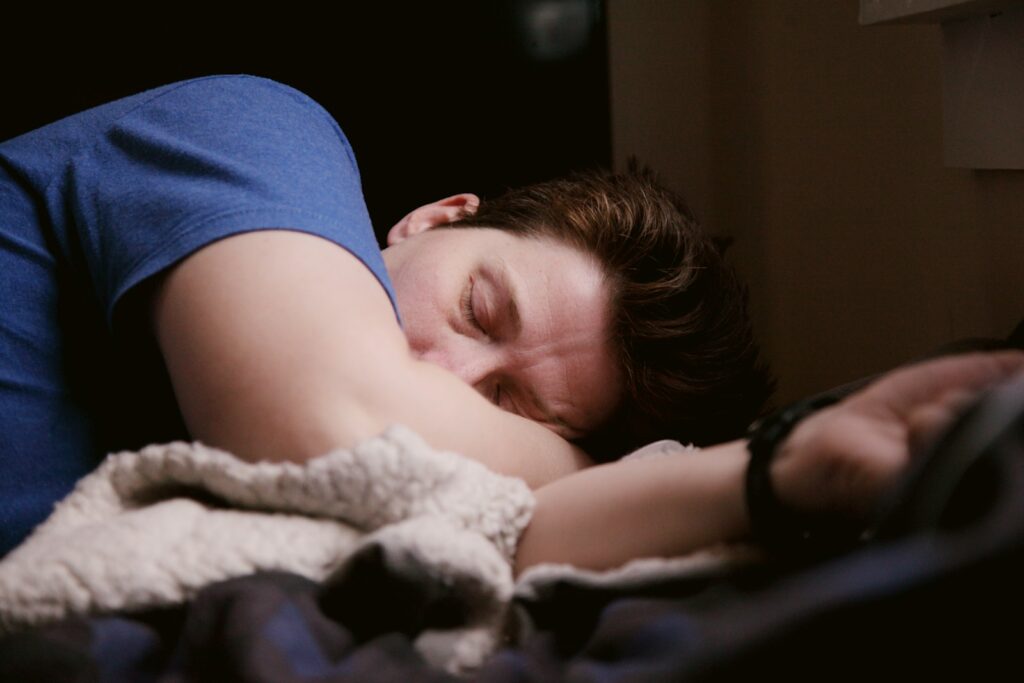
Sleep is often thought of as a period of inactivity, but beneath those closed eyelids lies a world of biological magic that keeps our health on track. Yet, in the hustle and bustle of modern life, sleep deprivation has stealthily crept into our routines, bringing with it an unsettling companion: increased sedentary behavior.
This seemingly benign lifestyle shift has a sinister side, linking directly to a heightened cancer risk. It’s a connection that might surprise you, but it’s one that could be lurking beneath the surface of your everyday habits.
The ripple effects of insufficient sleep extend far beyond feeling groggy or irritable. Emerging research shines a light on how sleep deprivation increases sedentary behavior and cancer risk, unraveling a fascinating—and somewhat alarming—network of consequences.
Understanding this intricate web is crucial, as it empowers us to reclaim the restorative power of sleep and, in doing so, potentiate our fight against cancer. Don’t let sleep deprivation silently usher you into a cycle of health risks; stay ahead by exploring the profound impact of sleep on your activity levels and overall well-being.
The Role of Sleep in Health Maintenance
Quality sleep is a cornerstone of overall health, influencing everything from immune function to cognitive performance. During restorative sleep stages, our bodies engage in vital processes like tissue repair, hormone regulation, and memory consolidation. These nocturnal activities are not mere luxuries—they’re essential for sustaining day-to-day vitality.
For instance, growth hormone secretion peaks during deep sleep, supporting muscle repair and metabolic balance. Similarly, adequate slumber helps regulate appetite hormones such as leptin and ghrelin, which in turn control hunger and satiety, lowering the risk of weight gain.
Beyond the physical, sleep also plays a critical role in mental well-being. Sufficient rest enhances emotional regulation, stress resilience, and problem-solving skills, ensuring that we can meet life’s daily demands with clarity and composure. Lack of sleep, conversely, impairs judgment, heightens irritability, and exacerbates mood disorders like anxiety and depression.
Over time, chronic sleep insufficiency strains cardiovascular health by raising blood pressure and inflammation markers, creating a fertile ground for serious conditions down the line.
When we appreciate sleep as an active, restorative process rather than passive downtime, its significance in health maintenance becomes undeniable. Whether you’re aiming to boost athletic performance, optimize productivity, or simply feel more energized, prioritizing consistent, high-quality sleep is non-negotiable.
Understanding this foundational role sets the stage for exploring how its absence can tip the scales toward harmful behaviors and disease risks, including the troubling link between sleeplessness, sedentary lifestyles, and cancer vulnerability.
Unpacking Sedentary Behavior and its Dangers
Sedentary behavior—characterized by prolonged periods of sitting or reclining with minimal energy expenditure—has quietly emerged as a public health epidemic. Office work, binge-watching television, and extended screen time are just a few examples of how modern life fosters inactivity.
While occasional rest is natural, habitual sedentariness disrupts metabolic processes, leading to insulin resistance, weight gain, and lipid imbalances. Scientific studies have repeatedly shown that sedentary habits elevate the risk of cardiovascular disease, type 2 diabetes, and musculoskeletal issues.
This risk profile is partly driven by reduced muscle contractions during sitting, which diminishes blood flow and glucose uptake, impairing overall metabolic health. What’s more alarming is the growing evidence linking prolonged sitting with certain cancers, independent of exercise levels.
Even those who meet recommended workout guidelines may not fully offset the hazards of extended inactive periods. Addressing sedentary behavior is more than just urging people to “move more”—it’s about rethinking daily routines and work environments to encourage regular activity.
Standing desks, walking meetings, and scheduled activity breaks are practical interventions. Equally important is cultivating an awareness of the cumulative impact of small habits, like opting for stairs instead of elevators or taking short walk breaks every hour.
By unraveling the dangers of inactivity, we lay the groundwork for understanding how sleep deprivation further compounds these risks.
Exploring the Link Between Sleep Deprivation and Sedentary Lifestyle
Emerging research reveals that inadequate sleep often leads to reduced physical activity the following day. When you wake up feeling fatigued and mentally foggy, the motivation to exercise or move around diminishes, making it far easier to default to sedentary pastimes like scrolling on a phone or watching TV.
This sluggishness is not merely a matter of willpower; it is driven by changes in energy metabolism and mood regulation. Sleep-deprived individuals show higher levels of inflammatory markers and stress hormones like cortisol, both of which can sap motivation and increase perceived effort during physical tasks.
Consequently, the cycle of “sleep loss → inactivity → poorer sleep” intensifies, creating a self-perpetuating loop that entrenches sedentary behavior and worsens overall health.
Understanding the Biological Mechanisms at Play
To appreciate how lack of sleep pushes us toward inactivity, we must delve into the biological shifts occurring in the brain and body. Sleep deprivation alters neurotransmitter balance, particularly by reducing dopamine receptor sensitivity.
Since dopamine is crucial for reward-driven behaviors, lower sensitivity means that workouts and physical movement feel less gratifying. At the same time, sleep loss impairs glucose metabolism and insulin sensitivity, making physical exertion feel more arduous.
Reduced muscle glycogen stores and altered hormonal profiles—like elevated ghrelin—increase fatigue and cravings for high-calorie foods, further discouraging active pursuits.
These intertwined mechanisms explain why chronic short sleepers are significantly more likely to adopt sedentary routines, fostering a downward spiral of inactivity that can’t be fixed by a single night of good sleep.
Impact of Sedentary Behavior on Cancer Risk
A wealth of epidemiological evidence indicates that prolonged sedentary time is associated with higher incidence of certain cancers, including colorectal, breast, and endometrial cancer.
The relationship holds even after adjusting for factors like body mass index and exercise frequency, suggesting that inactivity itself poses an independent threat. Mechanistically, sedentary behavior promotes chronic low-grade inflammation, dysregulated insulin and growth factor signaling, and impaired immune surveillance—all pathways implicated in tumor development and progression.
For example, elevated insulin-like growth factor 1 (IGF-1) levels can stimulate cell proliferation and inhibit apoptosis, creating an environment conducive to malignant transformation.
Furthermore, sitting for extended periods has been linked to altered gene expression related to cell cycle regulation and DNA repair. Without regular muscle contractions to promote healthy circulation and metabolic exchange, carcinogenic processes gain a foothold.
Recognizing this impact underscores the urgency of mitigating inactivity to lower cancer risk, especially in the context of sleep-related behavioral changes.
Connecting the Dots: Sleep Deprivation and Cancer
When we consider how sleep deprivation increases sedentary behavior and cancer risk, the convergence of pathways becomes clear. Insufficient sleep heightens cortisol and inflammatory cytokine levels, both of which contribute to cell damage over time.
Coupled with the metabolic sluggishness that drives sedentariness, these factors synergize to elevate carcinogenic potential. In addition, disrupted circadian rhythms—common in those who chronically lose sleep—interfere with melatonin production, a hormone known for its antioxidant and anti-proliferative properties.
Reduced melatonin not only impairs sleep quality further but also diminishes the body’s natural defense against DNA mutation and tumor growth. Together, these overlapping mechanisms reveal why a pattern of sleepless nights and inactive days can pave the way for cancer development.
Strategies to Improve Sleep Quality and Combat Sedentary Behavior
Breaking the cycle of “sleep loss → inactivity” requires targeted strategies that address both sides of the equation. Start by establishing a consistent sleep schedule, going to bed and waking up at the same time each day to reinforce your circadian rhythm.
Design a bedroom environment conducive to rest: cool temperature, minimal light, and no screens for at least an hour before bedtime. On the activity front, incorporate micro-movements throughout the day. Set a timer to stand, stretch, or walk for five minutes every hour.
Integrate movement into routine tasks—take phone calls while pacing, do calf raises while waiting for your coffee to brew, or opt for walking meetings. These seemingly small adjustments accumulate into significant gains in daily energy expenditure, counteracting the tendency toward sedentary habits that accompany sleep deprivation.
Lifestyle Changes for Reducing Cancer Risk
Adopting a holistic approach to health can mitigate both sedentariness and cancer risk. Aim for at least 150 minutes of moderate-intensity aerobic activity per week, supplemented by strength training on two or more days. Engaging in regular exercise not only helps regulate weight and insulin sensitivity but also promotes restorative sleep by increasing slow-wave sleep duration.
Diet also plays a pivotal role: focus on whole foods rich in antioxidants, fiber, and phytonutrients. Fruits, vegetables, whole grains, and lean proteins support immune function and help balance hormones like insulin and estrogen, reducing cancer-promoting signals.
Limit processed meats, refined sugars, and excessive alcohol, all of which can exacerbate inflammation and disrupt sleep quality. Stress management techniques—such as mindfulness meditation, deep breathing exercises, and yoga—further enhance resilience.
Lowering stress levels reduces cortisol, making it easier to both fall asleep and stay active during the day. Collectively, these lifestyle changes create a protective environment against cancer while improving sleep and encouraging movement.
Seeking Professional Help and Guidance
If persistent sleep difficulties or sedentary habits feel insurmountable, don’t hesitate to consult healthcare professionals. A primary care physician can screen for sleep disorders like insomnia, sleep apnea, or restless leg syndrome, all of which may require targeted interventions such as cognitive-behavioral therapy for insomnia (CBT-I) or continuous positive airway pressure (CPAP) therapy.
Similarly, a certified fitness professional or physical therapist can design personalized activity plans that accommodate your current fitness level and health conditions. They can demonstrate safe exercises, teach proper movement techniques, and help set realistic goals to gradually decrease sedentary time.
Registered dietitians and oncology specialists can offer tailored dietary recommendations and cancer prevention strategies aligned with your unique risk profile. By enlisting expert support, you gain accountability, specialized knowledge, and encouragement—critical factors in breaking the vicious cycle of How Sleep Deprivation Increases Sedentary Behavior and Cancer Risk and moving toward healthier, more active living.
Embracing Healthy Sleep Habits for Overall Well-being
Quality sleep and regular movement are not optional extras—they are integrated pillars of health that safeguard us against chronic diseases, including cancer. By understanding how sleep deprivation increases sedentary behavior and cancer risk, we can make informed choices to prioritize rest, stay active, and adopt supportive lifestyle habits.
Empower yourself with small, consistent changes: establish a bedtime routine, break up long periods of sitting, and fuel your body with nutrient-rich foods. If challenges persist, seek professional guidance to tailor solutions that fit your needs. Embracing healthy sleep and activity patterns today paves the way for a more vibrant, resilient tomorrow.