
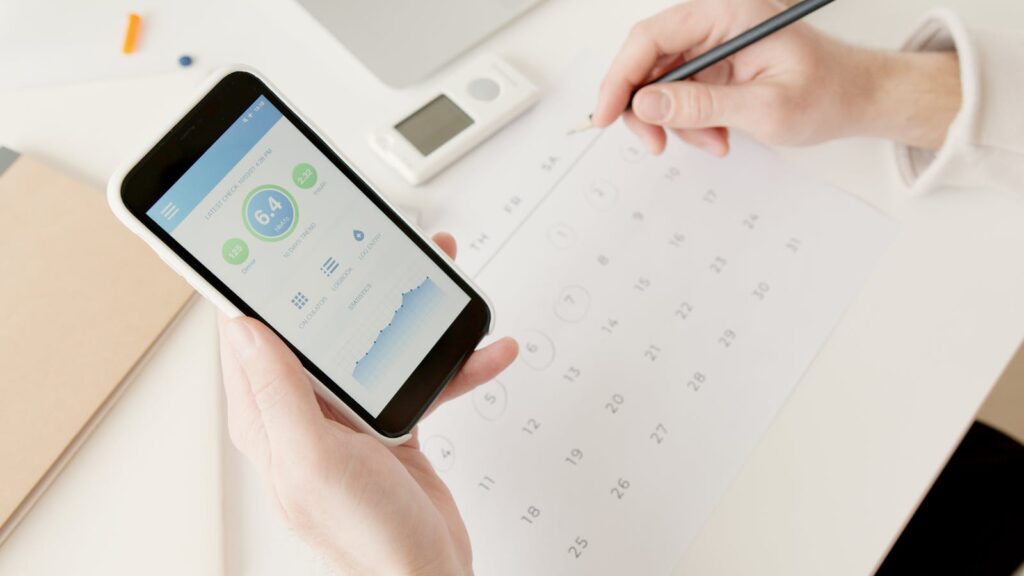
Imagine standing at the intersection of busy schedules and fitness goals, a map in your hands that promises to guide you through with ease. What if I told you that your calendar could be that map, transforming from a simple record of events into a reliable fitness partner?
It’s not just about penciling in gym hours or yoga classes; it’s about crafting a lifestyle where health and wellness are seamlessly integrated into your daily routine. This transformation can start today, simply by seeing your calendar as more than a tool for tracking meetings and deadlines.
In a world where time is a precious commodity and daily commitments often overshadow personal well-being, leveraging your calendar as a fitness ally is both practical and powerful. Studies show that scheduling increases the likelihood of following through on intentions, and when fitness becomes a visible part of your agenda, it shifts from an “if I have time” activity to a non-negotiable component of your day.
Let’s embark on this journey together, exploring how to make your calendar a fitness partner that encourages accountability and supports your health goals.
Setting Clear Fitness Goals on Your Calendar
When you decide on how to make your calendar a fitness partner, the first step is setting clear, achievable goals. Rather than vague intentions like “exercise more,” define specific targets such as “walk 10,000 steps daily,” “attend three spin classes weekly,” or “complete a 5K run by June.”
By writing these objectives directly onto your calendar, you transform them from abstract ideas into concrete commitments. This clarity helps you visualize what success looks like and gives you a roadmap to follow each week.
Once your goals are listed, break them into smaller milestones. For example, if your end goal is a 5K run, schedule progressive runs of increasing distance—1K, 2K, 3K—over successive weeks. Assign realistic dates to each milestone so you can track progress and accountability.
When you review your calendar at the start of each week, your goals will be front and center, reminding you exactly what you’re working toward. This is the essence of how to make your calendar a fitness partner: it holds your objectives in plain view, guiding your daily choices and motivating you to stay on course.
Creating a Weekly Workout Schedule
Designing a weekly workout schedule is like constructing a blueprint for success. Start by analyzing your typical week: work hours, social events, family commitments, and downtime. Identify slots where you can consistently dedicate time to exercise without causing undue stress.
It might be early mornings before your workday begins, lunchtime breaks, or evenings after dinner. The key is to choose windows you can reliably stick to, turning them into routine rather than occasional endeavors.
Next, vary your workouts to maintain interest and balance. Reserve Mondays for strength training, Wednesdays for cardio, Fridays for yoga or stretching, and weekends for longer outdoor activities. Color-code these sessions on your digital or paper calendar so they stand out visually, making your plan easier to follow.
Remember, consistency is more important than intensity at the start. As you adapt, you can gradually increase workout durations or difficulty levels. By embedding a structured weekly plan into your schedule, you’re effectively learning how to make your calendar a fitness partner that ensures workouts aren’t sidelined by busy days.
Blocking Time for Physical Activity
Blocking time on your calendar for physical activity is a commitment device. When you treat exercise blocks with the same seriousness as work meetings or doctor appointments, you’re less likely to cancel them. Choose durations that match your goals and schedule constraints, whether that’s 20-minute HIIT sessions or hour-long jogs.
Once you block the time, resist the temptation to double-book or push workouts aside for “more urgent” tasks. Use calendar features like recurring events to lock in your sessions. For example, create a weekly block labeled “Morning Run” that repeats every Tuesday and Thursday at 7 AM.
This repetition builds habit and reduces planning fatigue—your schedule essentially plans itself. Over time, these blocked slots become non-negotiable. By doing so, you solidify your understanding of how to make your calendar a fitness partner that allocates dedicated time for health, ensuring you never lose sight of your exercise goals.
Scheduling Exercise as Non-Negotiable Appointments
Reframing exercise as an appointment rather than an optional task is crucial for consistency. Just like you wouldn’t skip a dentist appointment, you shouldn’t skip a workout you’ve scheduled. Label these slots with inviting titles—“Power Yoga with Sara,” “Lunchtime Bike Ride,” or “Strength Training Circuit”—to give them personality and make them enticing.
Share your calendar with a workout buddy or family member. When someone else sees your commitment, you feel accountable on a social level. If you miss an appointment, you’re not just letting yourself down but also the person who expected you. This psychological nudge reinforces your commitment.
By elevating exercise to the status of a must-attend meeting, you fully embrace the concept of how to make your calendar a fitness partner in shaping your daily routine.
Integrating Fitness Challenges and Rewards
Injecting challenges and rewards into your calendar keeps motivation high. Set mini-challenges like “Complete five morning workouts this month” or “Attend four different fitness classes by week’s end.” Schedule these challenges at regular intervals to keep your routine fresh.
Clearly mark the challenge period on your calendar and track your completion visually—use checkmarks, stickers, or bold colors to celebrate days you succeed. Next, plan rewards for meeting these targets. It could be a massage after a month of consistent workouts, a new pair of running shoes for hitting a mileage goal, or a weekend hiking trip after finishing a fitness program.
Block time on your calendar for these rewards so you have something to look forward to. By mapping out both challenges and incentives, your calendar becomes more than a schedule—it’s a motivational partner in your fitness journey, guiding you to push harder and celebrate smarter.
Syncing Your Fitness Events with Reminders and Alerts
Reminders and alerts transformed your calendar into an active coach that prompts you when it’s time to move. Set multiple alerts for each workout—one 30 minutes before to prepare mentally, and another five minutes before to gear up physically.
These timely nudges prevent you from losing track or underestimating the time needed to change and commute to the gym or yoga studio. Use custom alert messages to boost enthusiasm. Instead of a generic beep, program notifications like “Time to crush that spin class!” or “Your mat is waiting for you.”
Tailoring alerts to your personality and goals helps sustain motivation. As you learn how to make your calendar a fitness partner, these reminders ensure workouts never slip through the cracks and become ingrained in your daily routine.
Utilizing Technology to Enhance Fitness Tracking
Technology can supercharge the way you integrate fitness into your calendar. Sync your calendar with wearable devices—smartwatches, fitness bands, or phone health apps—that automatically log your workouts. Then, have these data points feed back into your calendar as completed events, giving you a clear visual record of your consistency and progress.
Explore calendar-integrated fitness apps that suggest workouts based on availability. Some tools analyze your schedule and propose optimal workout times, adjusting for meetings or travel. Others offer on-demand classes you can join directly from a calendar link.
By leveraging these digital tools, you elevate your strategy for how to make your calendar a fitness partner—one that not only schedules sessions but also tracks, analyzes, and optimizes them for peak performance.
Evaluating and Adjusting Your Fitness Calendar Regularly
Your fitness needs and commitments evolve, so it’s vital to review your calendar periodically. At the end of each month, carve out time to assess what worked and what didn’t. Did you regularly hit your scheduled workouts? Were certain times consistently skipped?
Identify patterns—if evening sessions often get pushed aside due to late meetings, consider shifting them to mornings. Use this evaluation to update your schedule for the coming month. Add new goals, swap out underperforming workout types, or adjust intensity levels.
By treating your fitness calendar as a dynamic tool rather than a static one, you sustain progress and avoid plateaus. This ongoing refinement is central to how to make your calendar a fitness partner that adapts alongside your lifestyle and ambitions.
Celebrating Milestones and Progress
Acknowledging achievements keeps your momentum alive. Whenever you reach a milestone—first month of daily yoga, 50 total workouts, or improved running pace—mark it on your calendar with a highlight or special icon. This visual celebration reminds you of how far you’ve come and reinforces the habit loop of effort and reward.
Plan celebration events to honor major wins. For example, block off a rest day plus a fun activity like a group hike, healthy brunch, or new workout class. Sharing these victories with friends or fellow fitness enthusiasts adds a social element to your calendar, enhancing accountability and enjoyment.
By weaving celebrations into your schedule, your calendar becomes not just a planner, but a record of triumph and a source of ongoing inspiration on your health journey.
Embracing Your New Fitness Lifestyle
Transforming your daily planner into a dedicated fitness partner is a powerful way to stay committed, motivated, and organized. By setting clear goals, blocking time, adding reminders, and celebrating progress, your calendar evolves into a personalized coach that drives consistent action.
Embrace this approach and watch as your workouts become as essential as any meeting. With each scheduled session, alert, and milestone marked, you’re forging a sustainable fitness lifestyle—one that’s perfectly integrated into every aspect of your day.
Start today on your journey of how to make your calendar a fitness partner, and discover the lasting impact of planning health into your life.