
In the constantly evolving world of fitness and health, enthusiasts often find themselves inundated with choices that promise to aid in their journey towards better well-being. Among these choices, the decision between traditional movement logs and modern fitness apps has become a hot topic.
Each offers a unique set of benefits designed to track progress, motivate users, and ultimately elevate the fitness journey. While the tactile simplicity of a movement log appeals to those who find solace in pen and paper, fitness apps captivate tech-savvy individuals with dynamic interfaces and personalized analytics.
But how do you determine which tool truly aligns with your needs? Choosing between movement logs and fitness apps is more than a matter of preference; it’s about finding a method that complements your lifestyle and goals. Some individuals revel in the freedom and creativity that comes with manually recording each step, push-up, or yoga session in a personal journal.
Others, however, thrive on the instant feedback and community support offered by digital platforms. This choice can significantly impact your motivation and consistency, two crucial components in the pursuit of fitness success. In this blog post, we will delve into the nuances of each method, helping you uncover which might just be your healthiest match.
Benefits of Using Traditional Movement Logs
Traditional movement logs offer a tangible way to record workouts, nutrition, and overall activity. By physically writing down each exercise, duration, and intensity level, individuals build a stronger mind–body connection.
The act of jotting down progress can reinforce neural pathways, making goals feel more real and attainable. For many, the ritual of opening a well-worn journal and reflecting on workouts creates a sense of ritual and accountability that digital tools sometimes lack.
Additionally, movement logs are immune to software crashes or subscription fees—once you have your notebook and pen, you’re ready to track at any time. Beyond mere data entry, traditional logs also encourage creativity and personalization.
You can sketch diagrams, color-code sessions, and add motivational quotes or stickers—elements that turn plain records into inspiring keepsakes. This creative freedom fosters deeper engagement, as users can tailor their logs to reflect personal styles and evolving aspirations.
Furthermore, the simplicity of pen-and-paper tracking minimizes distractions. Unlike apps that may bombard you with notifications or pop-up ads, a notebook remains focused solely on the task at hand, helping you maintain concentration during and after workouts.
Advantages of Utilizing Fitness Apps
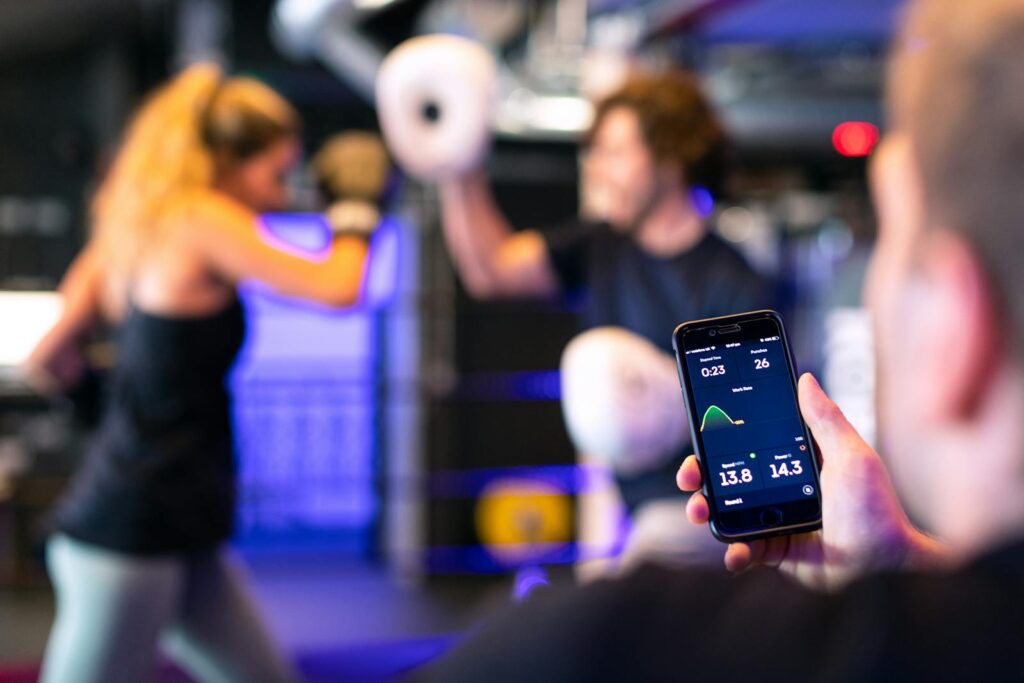
Fitness apps bring convenience and technology together, offering a comprehensive suite of features that traditional logs can’t match. With built-in timers, exercise libraries, and progress charts, these apps streamline the tracking process and deliver real-time feedback.
Many platforms sync with wearable devices—such as smartwatches and heart-rate monitors—to automatically record steps, calories burned, and sleep patterns. This seamless integration allows users to focus on performance rather than manual data entry, ensuring that every movement is accurately captured and analyzed.
The social and motivational aspects of fitness apps also deserve attention. Leaderboards, challenges, and virtual badges create a gamified environment that encourages consistency and healthy competition. Push notifications remind users to stay active, log meals, or complete hydration goals, effectively nudging them back on track when motivation wanes.
Moreover, subscription-based apps often provide guided workout plans, nutrition advice, and even one-on-one coaching. This level of support—delivered directly to your phone—can be a game-changer for individuals seeking expert guidance without committing to expensive personal trainers or gym memberships.
Tracking Progress: Features and Comparison
When comparing tracking features, movement logs and fitness apps each bring unique strengths to the table. With a journal, you have full control over the format—whether it’s a daily summary, exercise-by-exercise breakdown, or monthly analysis. This flexibility lets you adapt your tracking style as your fitness journey evolves.
However, it does require consistent discipline to update entries and interpret patterns manually. Fitness apps automate these processes, offering instant charts, graphs, and performance summaries that you can view at any time. Many apps employ AI-driven analytics to highlight trends, flag plateaus, and even predict workout outcomes based on historical data.
While this automated insight reduces manual effort, it also means you rely on the app’s built-in logic rather than your own interpretations. Both approaches serve the same ultimate goal—helping you visualize progress and adjust strategies accordingly.
Motivation Techniques: Movement Logs vs Fitness Apps
Motivation can make or break a fitness routine, and both movement logs and fitness apps deploy distinct techniques to keep you engaged. With a movement log, the tangible act of crossing off workouts or noting personal bests provides immediate gratification.
Flipping through past entries and seeing a clear record of how far you’ve come can inspire you to push harder and set new targets. The manual process of writing also enhances mindfulness, allowing you to celebrate small victories and reflect on challenges in a personal, uninterrupted space.
In contrast, fitness apps leverage digital incentives such as streak counters, virtual trophies, and community leaderboards. These gamified elements tap into competitive instincts and social accountability—encouraging you to maintain streaks or climb the ranks among friends.
Many apps also send motivational messages or personalized tips when you fall short of goals, using behavioral psychology to reinforce positive habits. While the digital approach can be highly effective for some, it may feel impersonal or overwhelming to users who prefer quiet, self-driven motivation.
Personalization and Customization Options
Movement logs excel in personalization because you’re free to design layouts, color schemes, and content categories that resonate with your unique preferences. You might create sections for mood tracking, meal planning, or injury notes—integrating holistic wellness elements into your fitness log.
This do-it-yourself approach nurtures a sense of ownership and creativity, ensuring the log remains aligned with your evolving needs. Fitness apps, meanwhile, offer customizable templates, workout generators, and nutrition calculators that adapt to your fitness level and goals.
Many platforms allow you to swap exercises, adjust workout durations, and select preferred training styles—whether you’re into HIIT, strength training, or yoga. Advanced apps even incorporate machine learning to suggest modifications based on your performance, recovery rates, and personal feedback.
Although less hands-on than a paper log, this dynamic customization ensures your regimen remains challenging and varied.
Community Support: Engaging with Like-Minded Individuals
Traditional movement logs foster community support in more analog ways—through gym buddy systems, group fitness classes, or fitness journal swaps among friends. Sharing a physical log can create a deeper bond, as participants often take the time to review each other’s entries, offer notes, or exchange personalized tips.
This face-to-face interaction builds accountability and provides emotional encouragement that transcends digital notifications. Fitness apps expand community support by connecting you with thousands—sometimes millions—of users worldwide.
In-app forums, challenge groups, and social media integrations facilitate discussions, progress sharing, and peer encouragement. You can join specialized communities—runners, bodybuilders, or mindfulness practitioners—to exchange advice, celebrate milestones, and crowdsource solutions to common obstacles.
While the digital reach is extensive, the depth of connection can vary depending on the platform’s culture and moderation quality.
Integrating Technology into Your Fitness Routine
Combining movement logs with fitness apps creates a hybrid approach that leverages the best of both worlds. For instance, you might use a fitness app’s step counter and heart-rate monitor for real-time data, then transfer summary statistics to a physical log for reflection and creative annotation.
This dual-system strategy ensures you don’t lose the tactile satisfaction of handwriting while benefiting from digital precision and analytics. If you’re fully committed to a tech-centric routine, wearable devices can sync seamlessly with fitness apps and even cloud-based movement logs.
Smart scales measure body composition, Bluetooth-enabled gym equipment records sets and reps, and voice-activated assistants guide you through workouts. By integrating multiple technologies, you create a streamlined ecosystem that captures every facet of your fitness journey—making adjustments and insights readily accessible.
Lifestyle Compatibility: Choosing the Right Fit
Your daily routine and personal habits play a crucial role in determining whether movement logs or fitness apps fit best into your life. If you spend significant time away from screens—hiking, practicing outdoor sports, or attending screen-free retreats—a physical log offers uninterrupted accessibility.
You won’t have to worry about battery life, connectivity issues, or privacy concerns related to data collection. On the other hand, if you’re constantly on the go, fitness apps can streamline your routine.
Quick log-ins, voice-input logging, and automatic syncing mean you can capture workouts and meals in seconds—whether you’re in a taxi, at the office, or traveling internationally. Many apps also feature offline modes, ensuring you can record entries without an internet connection and sync later when you’re back online.
Setting and Achieving Fitness Goals Effectively
Movement logs lend themselves to the SMART goal framework—Specific, Measurable, Achievable, Relevant, and Time-bound—by allowing you to write precise objectives and track progress toward each milestone. The act of regularly reviewing your log helps you stay accountable, identify barriers, and celebrate small wins. Over time, this consistent reflection encourages course corrections and reinforces positive habits.
Fitness apps support goal setting through built-in templates and reminders. You can set daily step targets, weekly workout frequencies, or monthly body composition goals. The app then monitors your compliance and provides visual progress bars, predictive insights, and milestone alerts.
Some advanced platforms even integrate sleep quality and stress metrics to ensure your goals remain realistic and aligned with overall well-being. Whether you choose a journal or an app, the key lies in defining clear objectives and revisiting them regularly to maintain momentum.
Making an Informed Decision
Deciding between movement logs and fitness apps ultimately depends on your personal preferences, lifestyle, and fitness objectives. Traditional logs offer tactile engagement and creative freedom, while apps deliver convenience, data-driven insights, and community support. Many users find a hybrid approach—combining analog and digital tools—yields the best of both worlds.
Reflect on how you stay motivated, what kinds of feedback you value, and how much structure you need. By weighing the benefits of pen-and-paper tracking against the power of technology, you can determine “Movement Logs vs. Fitness Apps—What Works Best?”
for your unique journey. Whichever path you choose, consistency and self-awareness remain the true drivers of lasting health and fitness success.