
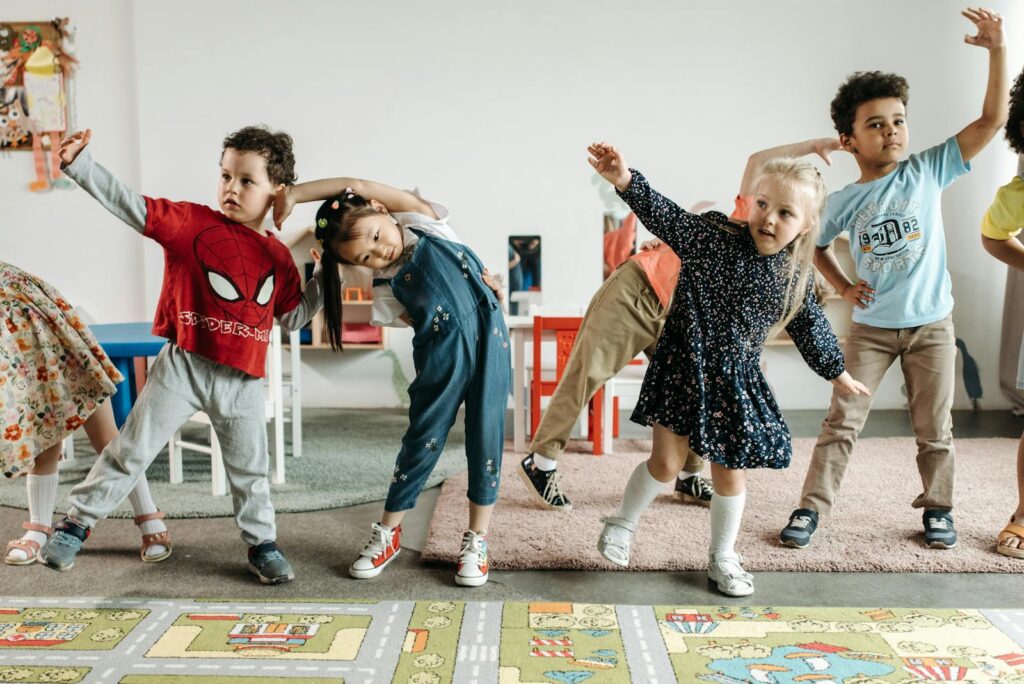
When it comes to the well-being of children and teens, maintaining a healthy lifestyle is more important than ever. For young ones battling or recovering from cancer, the benefits of physical activity aren’t just about staying fit; they transform into powerful allies in the fight against the disease. Imagine exercises not only bolstering immunity but also lifting spirits, reducing fatigue, and enhancing recovery. It’s a holistic approach that brings hope and strength, harnessing the body’s own power to combat cancer in ways that are both surprising and inspiring.
Incorporating cancer-fighting exercises for kids and teens into their routine is not merely a supplementary activity; it’s a vital component of their treatment journey. From playful activities that incorporate laughter and joy to mindful practices that encourage peace and resilience, the right exercise regimen can be a game-changer. Not only do these activities promote physical health, but they also cultivate mental well-being, empowering kids to face each new day with renewed energy and optimism. As we explore these vital exercises, we’ll uncover strategies that support healing, tailored specifically for the younger warriors on their road to resilience.
Importance of Physical Activity for Kids and Teens Battling Cancer
Physical activity stands as one of the most potent tools in the arsenal against cancer for young patients. Engaging in regular movement helps maintain muscle strength, flexibility, and cardiovascular fitness—factors that often decline during intensive treatments like chemotherapy or radiation. When designing cancer-fighting exercises for kids and teens, healthcare teams focus on age-appropriate, enjoyable activities that not only counteract treatment side effects but also spark enthusiasm for movement.
Studies consistently show that active children experience fewer treatment-related complications, such as severe fatigue and muscle wasting, than their sedentary peers. This underscores the critical role of exercise in preserving overall functionality and quality of life during a challenging journey. Moreover, regular exercise helps manage common treatment side effects such as nausea, neuropathy, and joint pain. By promoting healthy circulation, these activities reduce swelling and muscle stiffness, allowing young warriors to move more freely.
Beyond the physical, engaging in group activities or family-based workouts can foster a sense of community and support—essential emotional lifelines that remind kids and teens they’re not alone. Ultimately, integrating structured physical activity into cancer care provides a well-rounded approach, addressing both body and mind as vital parts of a young patient’s pathway to healing.
The Impact of Exercise on Immunity and Overall Health
Research increasingly highlights the immune-boosting effects of moderate exercise for patients undergoing cancer treatment. When kids and teens participate in tailored cancer-fighting exercises, their circulation improves, allowing immune cells to patrol the body more effectively. This enhanced surveillance aids in identifying and destroying potential threats, bolstering the body’s natural defenses during a time when immunity may be compromised by treatment. Additionally, exercise supports healthy hormone balance and reduces inflammation—key factors that can influence cancer progression and recovery outcomes.
Beyond immunity, consistent physical activity lays the foundation for lifelong healthy habits. For young cancer survivors, adopting an active lifestyle early on can reduce the risk of future complications such as cardiovascular disease, obesity, and osteoporosis—conditions to which cancer treatments can predispose them. By making movement a fun, regular part of daily life, children and teens learn to view exercise as a reward instead of a chore, setting the stage for long-term health and resilience well after their treatment ends.
Psychological Benefits of Cancer-Fighting Exercises
The mental toll of cancer diagnosis and treatment is profound, especially for children and teens. Engaging in cancer-fighting exercises for kids and teens not only boosts mood through endorphin release but also alleviates anxiety and depression related to their condition. When youngsters move, they experience a sense of accomplishment and control—an empowering counterbalance to the uncertainties of medical procedures and side effects. Exercise sessions often become moments of joy, offering a temporary escape from the hospital environment or treatment regimen.
Moreover, structured activities provide an opportunity for social interaction, whether through group classes, sibling play, or parent-child sessions. Peer support during exercise fosters camaraderie, reminding young patients that they’re part of a community facing similar challenges. This shared experience can reduce feelings of isolation and build emotional resilience. Over time, the routine of physical activity instills coping skills: mindfulness in movement, goal-setting through progressive challenges, and the satisfaction of small victories—powerful psychological assets that accompany children and teens beyond their cancer journey.
Playful Activities that Promote Joy and Laughter
Infusing fun into cancer-fighting exercises for kids and teens ensures that movement feels like play rather than a clinical intervention. Interactive games such as obstacle courses, scavenger hunts, or relay races engage motor skills and cardiovascular endurance while delivering bursts of laughter and excitement. These activities create an atmosphere of celebration, shifting focus from illness to abilities and enjoyment.
Incorporating imaginative elements—dress-up themes, music, or storytelling—further heightens enthusiasm. For instance, a “space mission” hopscotch game or a pirate-themed balance beam adventure not only challenges coordination but also ignites creativity. This spirited approach encourages repeat participation, making exercise a welcome part of each day rather than an obligation. By fostering joy and laughter, playful exercises cultivate positive memories associated with movement, reinforcing the habit even during difficult days.
Mindful Practices to Encourage Peace and Resilience
Alongside energetic play, mindful practices play a crucial role in comprehensive cancer-fighting exercises for kids and teens. Techniques such as guided breathing, gentle yoga, and simple stretching help young patients manage stress, reduce tension, and foster inner calm. These low-impact activities are easily adapted to various energy levels and treatment schedules, making them accessible even on days when fatigue or nausea is present.
Through mindful movement, children and teens develop an awareness of their bodies and emotions, learning to recognize signals of discomfort or stress and respond with self-care. This heightened self-awareness builds resilience, as youngsters realize they hold tools—breath, gentle motion, mindful focus—to navigate challenging moments. Over time, these practices become portable resources, empowering young warriors to cultivate peace and strength long after their exercise sessions end.
Tailored Exercise Regimens for Young Warriors
Creating effective Cancer-Fighting Exercises for Kids and Teens demands personalization. Each child’s treatment plan, energy levels, and physical capabilities vary, making one-size-fits-all approaches ineffective. Healthcare professionals—physical therapists, pediatric oncologists, and exercise physiologists—collaborate to design programs that balance strength training, aerobic activity, flexibility work, and rest days. They monitor progress closely, adjusting intensity and duration as needed to respect each patient’s recovery pace.
Key components often include light resistance exercises using bands or body weight, short bouts of aerobic activity like cycling or brisk walking, and flexibility routines to preserve joint mobility. Progress is measured by improvements in endurance, strength gain, and patient-reported comfort levels. This individualized strategy maximizes benefits while minimizing exhaustion and risk, ensuring that every young warrior receives the safest, most effective regimen for their unique journey.
Strategies to Support Healing Through Physical Activity
Successful integration of Cancer-Fighting Exercises for Kids and Teens into treatment hinges on thoughtful strategies. First, scheduling workouts around treatment appointments helps maintain consistency. Short, frequent sessions—perhaps 10 to 20 minutes—can prevent overwhelm and build stamina gradually. Incorporating caregivers or family members fosters motivation: group walks, partner stretches, or parent-child yoga cultivate accountability and emotional support.
Second, tracking progress visually—through charts, stickers, or apps—provides tangible evidence of improvement, fueling motivation. Celebrating small milestones, such as adding five minutes of activity or mastering a new stretch, reinforces positive behavior. Finally, open communication between families and medical teams ensures that exercise adaptions respond swiftly to side effects, fatigue, or new health considerations. This collaborative framework empowers kids and teens to stay active safely, nurturing healing through movement.
Empowering Kids to Face Each Day with Optimism
Optimism becomes a powerful ally when woven into cancer-fighting exercises. Encouraging young patients to set achievable daily goals—complete three jumping jacks, balance for 30 seconds, or breathe deeply for five minutes—instills a sense of purpose and progress. Each accomplishment, no matter how small, contributes to a narrative of strength and resilience. Praise and positive reinforcement from parents, siblings, and healthcare providers amplify confidence and reinforce the value of consistent physical activity in the journey toward recovery.
Moreover, framing exercise as a celebration of what the body can do—rather than a reminder of medical challenges—shifts perspective. This positive mindset fosters emotional well-being, reduces stress hormones, and complements the physiological gains of movement. Over time, kids and teens come to view exercise not just as therapy, but as an empowering daily ritual that fuels hope and perseverance.
Integrating Exercise into the Treatment Journey
For optimal results, cancer-fighting exercises should be seamlessly woven into the broader treatment plan. Multidisciplinary teams schedule sessions around chemotherapy cycles, radiation therapy, and medical tests, ensuring exercises enhance rather than hinder treatment schedules. Physical activity is documented as part of medical records to inform decisions about dosage, rest periods, and supportive care needs.
Education also plays a vital role: teaching families about the benefits of movement, safe exercise techniques, and warning signs of overexertion equips them to become active partners in care. Support resources—online tutorials, community exercise groups, and pediatric oncology fitness specialists—provide ongoing guidance. By embedding exercise as a non-negotiable pillar of treatment, young patients gain the greatest possible advantage in their fight against cancer.
Harnessing the Power of Exercise in the Fight Against Cancer
Exercise transcends simple movement; it becomes a beacon of healing and hope for children and teens battling cancer. Tailored routines, playful activities, and mindful practices combine to strengthen the body, uplift the spirit, and fortify the immune system. By integrating cancer-fighting exercises for kids and teens into every stage of treatment, we offer young warriors a powerful tool to reclaim control over their health and well-being.
Empowered with personalized regimens and the support of caring teams, these courageous youngsters can face each day with optimism, resilience, and renewed energy. In this holistic approach—uniting mind, body, and community—exercise becomes more than therapy; it’s a celebration of strength, a catalyst for recovery, and a testament to the incredible power within every young patient.