
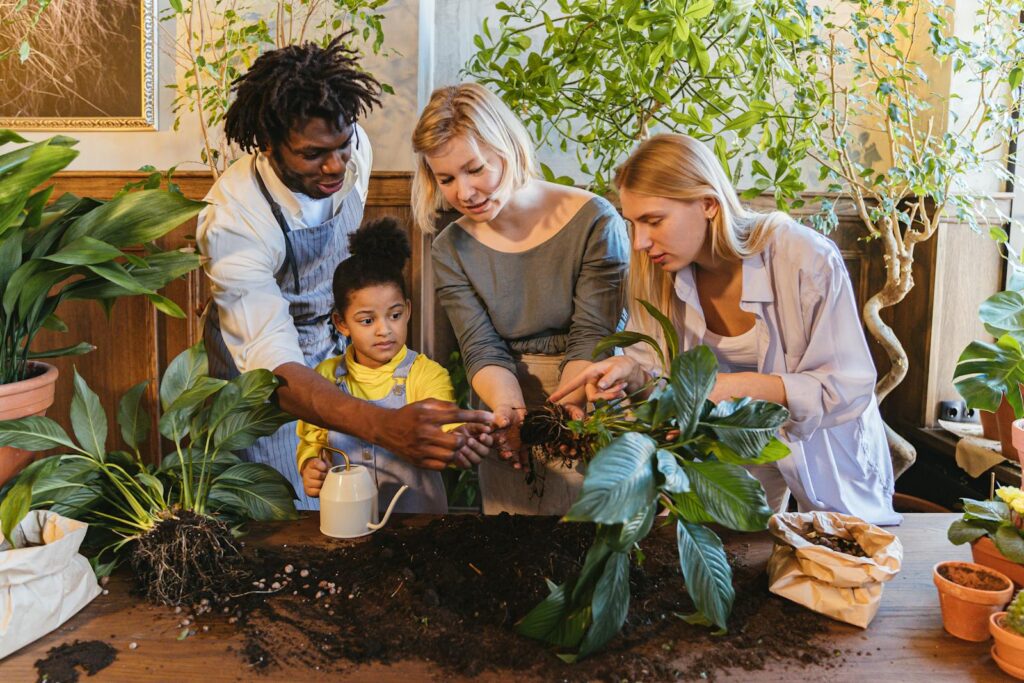
There’s something inherently satisfying about digging your hands into the earth, feeling the cool soil slip through your fingers, and nurturing a tiny seedling until it blossoms into a vibrant plant. Now, imagine sharing this rewarding experience with your loved ones. Gardening as a family activity does more than just beautify your backyard or provide fresh produce; it serves as a remarkable opportunity to enhance well-being and strengthen family bonds.
In today’s fast-paced world, where technology often pulls us into separate corners, gardening offers a rare chance to connect with each other and nature simultaneously. Studies have shown that engaging in gardening can significantly boost both physical and mental health. From increasing vitamin D levels to reducing stress and anxiety, gardening’s benefits are scientifically backed and widely acknowledged.
When families come together to garden, these health benefits extend across generations, teaching children the value of patience, responsibility, and sustainability. So grab your gardening gloves and join us as we delve into why gardening as a family activity that boosts health is not just a trend, but a lifestyle worth embracing.
Health Benefits of Gardening as a Family Activity
Gardening as a Family Activity That Boosts Health offers far more than just a beautiful backyard—it combines fresh air, gentle exercise, and nutrient-rich produce into a single, rewarding experience. When families work together to plant seeds, pull weeds, and harvest vegetables, they inadvertently engage in a moderate-intensity workout that improves cardiovascular fitness and strengthens muscles.
Parents and children alike bend, lift, stretch, and squat, burning calories and increasing flexibility without even noticing they’re exercising. Over time, this form of outdoor physical activity can contribute to healthier body weight, stronger bones, and enhanced endurance. Aside from the physical perks, family gardening delivers a bounty of vitamins and minerals straight from the garden to the dinner table.
Harvesting your own fruits and vegetables encourages everyone to try—and often prefer—fresh, homegrown produce over processed snacks. Increased consumption of leafy greens, colorful peppers, and juicy tomatoes translates into higher fiber intake, better digestion, and stronger immune function.
In addition, regular exposure to sunlight while gardening boosts vitamin D synthesis, promoting healthier bones and supporting mood regulation. Finally, gardening provides a natural, hands-on way to teach children about nutrition and healthy eating habits. When kids pick carrots they helped grow or taste strawberries nurtured by their own hands, they develop a deeper appreciation for where their food comes from.
This sense of ownership can lead to lifelong preferences for fresh produce and healthier meal choices. Overall, the health benefits of gardening as a family activity extend beyond mere hobby—they create the foundation for a vibrant, active, and well-nourished lifestyle.
Cultivating Connection with Nature
Gardening brings families closer to the natural world by engaging all five senses: sight, smell, taste, touch, and even hearing. From the gentle rustle of leaves to the earthy aroma of freshly turned soil, each sensory experience fosters a deeper appreciation for the environment. As parents guide their children through planting and watering, families witness firsthand the miracle of germination and growth, forging a lasting bond with the rhythms of nature.
This connection goes beyond simple observation; it cultivates environmental stewardship. Children learn to respect living organisms and understand the delicate balance of ecosystems. As they discover beneficial insects like ladybugs and earthworms, they gain insight into the roles these creatures play in maintaining garden health.
Such awareness often translates into eco-friendly habits at home—conserving water, reducing waste, and supporting biodiversity. By spending time outdoors together, families reinforce an ethic of care for the planet that will shape future generations. Moreover, family gardening can inspire creative exploration of the natural world.
Young gardeners may collect fallen leaves for crafts, sketch butterflies they spot among flowers, or keep journals to record seasonal changes. These activities deepen observational skills and encourage curiosity, making each gardening session both educational and entertaining. Ultimately, cultivating a connection with nature through family gardening transforms routine chores into meaningful, memorable experiences that enrich lives and foster environmental responsibility.
Teaching Children Responsibility and Sustainability
Gardening provides an ideal platform for children to learn about responsibility in a hands-on, engaging way. When assigned tasks such as watering seedlings, pulling weeds, or monitoring plant health, kids discover that consistent care and attention yield tangible results. They quickly realize that neglecting their duties can lead to drooping leaves or pest infestations, teaching them valuable lessons in accountability and follow-through.
Beyond individual chores, gardening instills a sense of sustainability. By composting kitchen scraps and yard waste, families reduce landfill contributions and create nutrient-rich soil amendments. Children witness the cycle of decomposition and soil enrichment, understanding how waste can be repurposed to nourish new life.
Additionally, learning about crop rotation, companion planting, and organic pest control introduces eco-friendly gardening methods that minimize harmful chemicals and protect local wildlife. Empowering kids to make sustainable choices—like harvesting rainwater for irrigation or selecting heirloom seeds—fosters environmental awareness and problem-solving skills.
As they weigh the benefits of different gardening techniques, children internalize concepts of conservation and resource management. Over time, these lessons shape responsible habits that extend beyond the garden, encouraging mindful consumption and respect for natural resources throughout their lives.
Enhancing Mental Well-being Through Gardening
Engaging in gardening as a family activity can significantly reduce stress and anxiety. The repetitive motions of planting and weeding have a meditative quality, calming the mind and creating a sense of flow. As family members share lighthearted conversation or moments of quiet concentration, the garden becomes a sanctuary from daily pressures.
Moreover, immersing oneself in nature triggers physiological responses that boost mental health. Studies have shown that exposure to greenery lowers cortisol levels—the hormone associated with stress—while increasing production of serotonin and dopamine, neurotransmitters linked to feelings of happiness and relaxation.
By working together in the garden, families not only nurture plants but also cultivate emotional resilience and mental balance. For children, gardening offers a constructive outlet for emotions and promotes focus. Tending to delicate seedlings requires patience and presence, helping young minds develop attention spans and self-control.
Meanwhile, witnessing plants thrive under their care instills pride and self-esteem. These positive experiences reinforce a growth mindset, where effort and persistence lead to tangible rewards both in the garden and in broader life contexts.
Boosting Physical Health with Family Gardening
Family gardening translates into a dynamic form of physical activity that benefits all age groups. Digging, raking, and hoeing engage major muscle groups, improving strength and endurance. Regular bending and lifting improve joint mobility and flexibility, reducing stiffness and promoting healthy posture over time. For children, these activities develop motor skills and coordination, supporting overall physical development.
In addition to muscular engagement, gardening provides an excellent cardiovascular workout. Walking between garden beds, carrying buckets of water, and hauling compost elevate heart rate and improve circulation. Over weeks and months, these cumulative activities contribute to improved cardiovascular fitness, lower blood pressure, and reduced risk of chronic diseases like heart disease and type 2 diabetes.
Spending time outdoors also exposes families to fresh air and natural sunlight, which are vital for robust health. Sunlight triggers vitamin D synthesis in the skin, strengthening bones and supporting immune function. Meanwhile, breathing in oxygen-rich air enhances lung capacity and promotes respiratory health.
By cultivating a garden together, families create an environment that encourages regular, low-impact exercise—benefits that extend far beyond the vegetable patch.
Strengthening Family Bonds in the Garden
Gardening as a family activity fosters teamwork and communication. From planning garden layouts to dividing responsibilities, family members collaborate on shared goals. Parents can guide planting decisions, while children contribute ideas for color combinations or favorite vegetables. This cooperative planning process encourages open dialogue, active listening, and mutual respect.
Working side by side in the garden also provides quality time free from digital distractions. As families weed, water, and harvest together, they share stories, laughter, and moments of discovery. Children learn to trust their parents’ guidance, and parents gain insight into their children’s creativity and problem-solving approaches.
These interactions strengthen emotional connections and build a foundation of support that extends into other areas of family life. Moreover, overcoming gardening challenges—like unexpected pests or an unseasonably dry spell—teaches families resilience and collective problem-solving. When a garden thrives thanks to joint efforts, everyone shares in the pride of accomplishment.
These shared successes, and even occasional setbacks, reinforce the notion that working together enriches relationships and deepens familial bonds.
Creating Lasting Memories Through Gardening
Gardening offers countless opportunities for making cherished family memories. From the excitement of planting the first seed of the season to the anticipation of spotting tiny sprouts peeking through the soil, each stage of growth becomes a milestone worth celebrating. Families can document these moments by taking photos, maintaining gardening journals, or creating seasonal scrapbooks that capture their progress.
Harvesting homegrown vegetables and fruits makes for memorable occasions, too. Children delight in pulling crisp carrots from the earth or tasting the sweetness of sun-ripe tomatoes. These joyful experiences can evolve into annual traditions—like a fall pumpkin-picking event—that mark the passage of time and become part of a family’s unique rituals.
Additionally, crafting garden-themed gifts—such as herb-infused oils, dried flower wreaths, or homemade jams—allows families to share their labor of love with friends and neighbors. These personalized presents carry emotional significance and strengthen community ties. Over the years, the garden itself transforms into a living scrapbook, with plants symbolizing growth, milestones, and the deep bonds formed through shared labor and laughter.
Embracing Gardening as a Sustainable Lifestyle
Adopting gardening as a family activity that boosts health naturally aligns with sustainable living principles. By growing produce organically, families reduce reliance on commercial agriculture, which often involves synthetic pesticides, heavy water usage, and significant carbon footprints. Cultivating your own vegetables and herbs encourages mindful consumption—only harvesting what you need and minimizing food waste.
Implementing sustainable techniques like rainwater harvesting, composting kitchen scraps, and employing integrated pest management further reduces environmental impact. Families learn to conserve water by using drip irrigation or collecting rainwater in barrels, while compost piles transform organic waste into nutrient-rich soil amendment.
These practices close the loop on household waste and foster an eco-conscious mindset in both adults and children. Long-term, a sustainably managed garden can provide a continuous supply of seasonal produce, reducing grocery bills and promoting food security. As families experiment with heirloom seed varieties and native plants, they contribute to biodiversity and preserve agricultural heritage.
In embracing gardening as a sustainable lifestyle, households not only enhance their own health and well-being but also play a vital role in nurturing a healthier planet for future generations.