
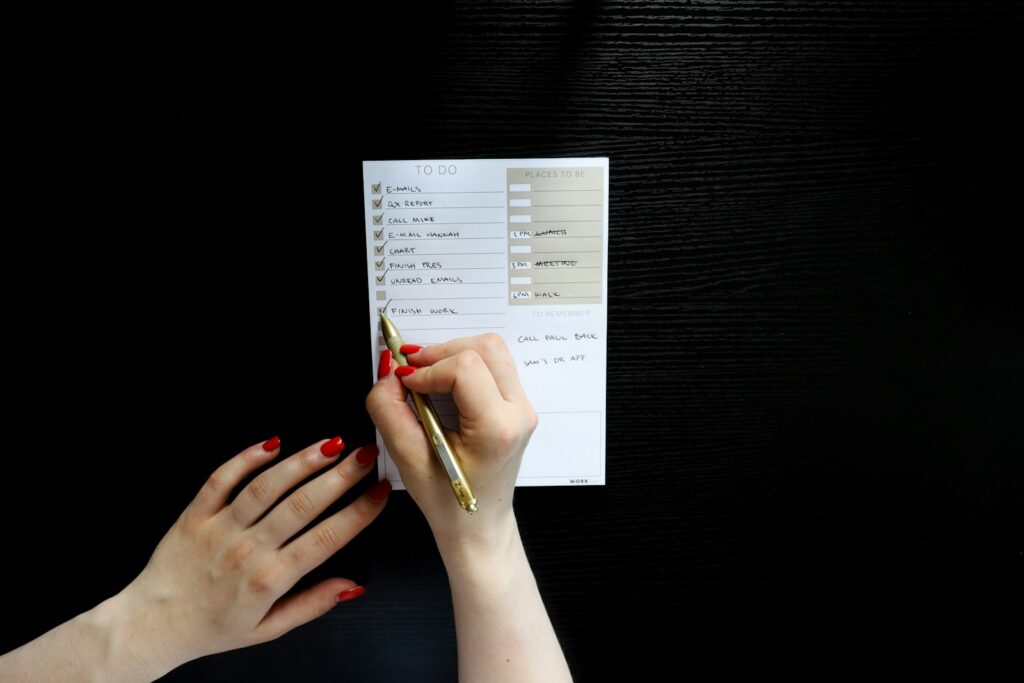
Have you ever found yourself at the end of a busy day, realizing you’ve barely stood up from your desk, let alone squeezed in a workout? In the hustle and bustle of everyday life, staying active can often fall by the wayside. But what if there was a simple tool to help you keep moving without adding stress or extra planning to your already-packed schedule? Enter the concept of daily checklists—a straightforward solution that allows you to integrate activity into your life seamlessly.
Imagine transforming your daily routine with small, intentional steps that not only boost your physical health but also enhance your mental well-being. Studies have shown that engaging in regular physical activity can significantly improve mood, increase energy levels, and even sharpen cognitive functions. By embracing daily checklists for staying active without thinking, you can effortlessly weave movement into your day, ensuring you’re not just surviving, but thriving. With this guide, discover how embracing this strategy can lead to a more vibrant, energized you.
Benefits of Daily Checklists for Staying Active
Implementing daily checklists for staying active without thinking can transform vague intentions into concrete actions. By breaking down your movement goals into simple, digestible tasks—such as “stand and stretch for two minutes every hour” or “take a five-minute walk after lunch”—you remove the mental friction that often prevents you from moving. Checklists serve as visual reminders, prompting you throughout the day to integrate small bursts of activity that accumulate into significant health benefits.
This method fosters consistency by turning movement into a non-negotiable part of your routine, much like brushing your teeth or making coffee. Beyond physical perks like improved cardiovascular health, increased flexibility, and better posture, daily checklists support mental well-being. Crossing off items releases a sense of achievement and triggers dopamine, reinforcing positive habits. Over time, you’ll notice reduced stress levels and sharper focus, as these micro-movements stimulate blood flow and oxygenate your brain.
The beauty of daily checklists is that they seamlessly incorporate movement without disrupting your workflow, making it easier to stick with an active lifestyle. Moreover, using checklists can bolster accountability and provide a clear record of your efforts. Whether you opt for a paper planner, a whiteboard by your desk, or a mobile app, tracking completed tasks helps you identify patterns—such as times of day when you’re most sluggish or tasks you routinely skip.
By analyzing this data, you can fine-tune your checklist for even greater success. Ultimately, daily checklists for staying active without thinking empower you to move more, feel better, and sustain healthy habits with minimal mental load.
Creating an Effective Daily Activity Checklist
Designing a daily checklist that actually works requires clarity, simplicity, and personalization. Start by listing activities that align with your current fitness level and daily schedule. For instance, if you have a desk job, emphasize quick standing breaks or desk stretches; if you’re already active, incorporate light strength moves or balance exercises. Aim for 5–8 items that can be completed in under a minute or two each, ensuring the list feels manageable rather than overwhelming.
Next, categorize tasks by type—mobility, cardio, strength, or mindfulness—to ensure a balanced approach. Assign each item a time window, such as morning, mid-afternoon, or evening, to create natural reminders. Finally, choose a tracking method that resonates with you. Whether you prefer a minimalist paper checklist, a colorful habit-tracking app, or sticky notes on your monitor, the key is visible, consistent prompts. With thoughtful design, your checklist becomes an intuitive guide to keep you moving all day long.
Setting Realistic Daily Movement Goals
One of the most common pitfalls in adopting a new active routine is setting goals that are either too lofty or too vague. To avoid burnout and frustration, define clear, attainable targets. Instead of committing to “exercise for an hour every day,” break it down into subtasks like “do 10 squats after waking up,” “walk 500 steps before lunch,” and “perform two minutes of stretching before bed.” These micro-goals are easier to achieve, build momentum, and fit neatly into even the busiest schedules.
It’s also essential to tailor your movement goals to your lifestyle. If you have back-to-back meetings, aim for short bursts of activity between calls. On lighter days, extend those bursts or incorporate additional tasks—such as a quick dance break or a set of calf raises. By making your goals flexible yet measurable, you’ll find it easier to maintain consistency. Remember, the purpose of daily checklists for staying active without thinking is to make movement habitual, not burdensome.
Incorporating Variety in Your Daily Activities
Variety keeps your checklist fresh and prevents both mental and physical stagnation. Rotate activities to target different muscle groups and maintain engagement. For example, alternate between stretching, bodyweight exercises, balance drills, and brief cardio bursts throughout the week. A shaking up of tasks not only reduces boredom but also supports overall fitness by ensuring comprehensive muscle activation and joint mobility.
You can further enhance variety by changing settings—take a walk in a new part of town, perform lunges while waiting for your coffee to brew, or practice yoga poses in your living room. This diversity stimulates different movement patterns and challenges your body in novel ways, accelerating progress and preventing plateaus. Ultimately, a varied daily checklist makes staying active fun, sustainable, and effective.
Time Management Tips for Active Living
Finding time for movement often feels impossible amid meetings, errands, and family commitments. To reclaim those stolen minutes, audit your day and identify pockets of time—perhaps the five minutes before your next call, the few seconds you wait for the microwave, or the intervals between errands. Slot in quick checklist items during these micro-windows, transforming previously wasted moments into movement opportunities.
Batch similar tasks together to minimize context switching. For example, group all your checklists that require standing—like calf raises and side stretches—and tackle them when you transition from sitting to standing. Use calendar alerts or smartphone alarms labeled with checklist prompts to automate reminders. By planning activity breaks just as you would meetings or appointments, you ensure movement remains a priority rather than an afterthought.
Tracking Progress and Staying Motivated
Consistent tracking is the backbone of any successful habit. At the end of each day, review your checklist and mark completed tasks. This simple ritual provides immediate feedback and highlights areas needing adjustment. Over time, you’ll accumulate a visual log of your progress—an encouraging record that can offset inevitable off-days and keep you moving forward.
To sustain motivation, consider gamifying your checklist. Award yourself points for each completed item and set milestones—such as 100 points per week—that unlock rewards like a relaxing bath or a favorite healthy snack. Sharing your achievements with friends or family can also bolster accountability. When others are aware of your goals, you’re more likely to follow through and maintain momentum.
Integrating Active Breaks into Your Workday
Sitting for prolonged periods impairs circulation, strains posture, and saps energy. Active breaks counteract these effects by injecting movement and improving focus. Schedule short breaks every 45–60 minutes to stand, stretch, or walk around your workspace. Even a two-minute break can reset your posture, alleviate muscle tension, and boost alertness.
During these breaks, leverage your daily checklist as a quick guide: perform a set of desk push-ups, walk to a water cooler, or do a few neck rolls. Position any checklist prompts—like sticky notes or phone reminders—within your line of sight to trigger movement automatically. Over time, these mini-breaks will feel as routine as grabbing a coffee, ensuring you stay active without overthinking your next move.
Utilizing Technology to Enhance Activity Tracking
Modern technology offers powerful tools to streamline your checklist and keep you motivated. Fitness apps and wearables can send timely reminders, track completed tasks, and generate performance insights. For instance, activity trackers can count steps, monitor standing time, and log movement intensity. Pair these metrics with your daily checklist to measure progress and fine-tune your routine.
If you prefer visual aids, digital habit trackers let you create custom checklists with colorful icons and progress bars. Some apps even integrate with calendars and smart home devices, automatically triggering movement prompts when you transition between appointments. By leveraging technology, you reduce manual tracking and ensure that reminders for daily checklists for staying active without thinking are both consistent and engaging.
Mindfulness and Reflection in Daily Movement
Incorporating mindfulness into your movement practice deepens the mind-body connection and enhances the benefits of activity. Instead of rushing through checklist items in autopilot, take a moment to notice how each movement feels—the stretch of your muscles, the rhythm of your breath, or the shift in your posture. This attentive approach transforms simple exercises into opportunities for stress relief and mental clarity.
End each day with a brief reflection: review which activities felt invigorating, which were challenging, and how your energy levels fluctuated. Journaling these observations alongside your checklist entries promotes self-awareness and highlights areas for growth. By pairing mindfulness with regular movement, your daily checklist becomes a holistic tool for physical vitality and emotional balance.
Embracing a Healthier, More Active Lifestyle
Daily checklists for staying active without thinking offer a straightforward path to sustained movement and improved well-being. By breaking down goals into small, actionable steps and tracking progress, you build lasting habits with minimal mental effort.
Whether you’re seated at a desk all day or juggling multiple responsibilities, integrating quick bursts of activity via a simple checklist can enhance your energy, focus, and overall health. Embrace this strategy today and witness how effortless, consistent movement can transform your life.