
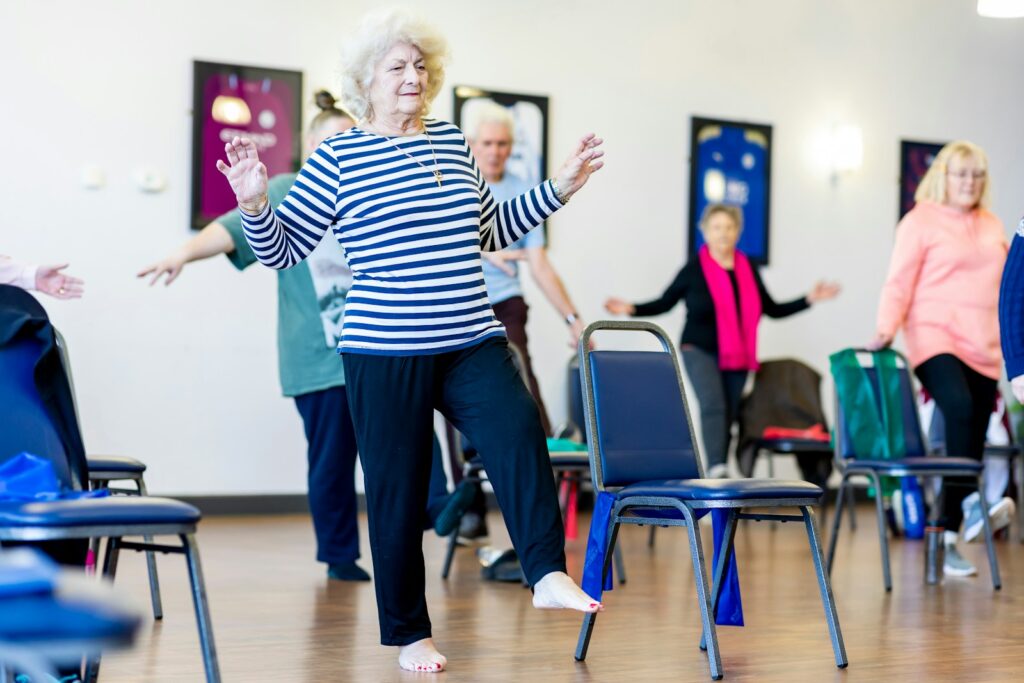
As we gracefully age, the quest for maintaining a healthy and active lifestyle takes on new dimensions, especially for seniors facing balance concerns. Imagine waking up each day with the confidence to move freely without fear of falling, knowing that your body is supported by a regimen designed just for you. This isn’t merely a dream but a reality attainable through tailored low-impact exercises. These activities not only fortify muscles and improve balance but also enhance overall well-being, allowing you to savor life’s beautiful moments without hesitation.
Statistics reveal that one in four adults aged 65 and older falls each year, making this a pressing issue for many. Engaging in well-planned, low-impact exercises can significantly mitigate these risks, transforming vulnerability into strength. Beyond the statistics, though, lies the empowering truth: incorporating these exercises into your routine can unlock a newfound sense of independence. Whether it’s the gentle sway of tai chi or the rhythmic flow of water aerobics, each exercise is a step towards a more balanced life, inviting you to embrace each day with vigor and stability.
Benefits of Low-Impact Exercises for Seniors
Low-impact exercises for seniors with balance concerns offer a host of physical, mental, and emotional benefits that can transform daily life. Physically, these exercises build muscle strength, enhance joint mobility, and improve cardiovascular health without placing undue stress on bones and connective tissue. For seniors, who may have arthritis or osteoporosis, low-impact movements such as gentle stretching, walking, and light resistance training can increase endurance while minimizing injury risk.
By strengthening key muscle groups—especially those in the legs, hips, and core—these workouts serve as a sturdy foundation for maintaining stability and preventing falls. Mentally and emotionally, participating in consistent exercise boosts mood and reduces anxiety. Endorphins released during movement help combat depression and elevate overall well-being. Additionally, mastering new exercise routines—whether it’s a set of balance drills or a simple chair yoga sequence—can foster a sense of achievement and self-efficacy.
Social aspects also come into play when classes or group sessions are involved; shared experiences can build camaraderie and lessen feelings of isolation. Altogether, the benefits of low-impact exercises extend beyond mere physical capabilities, shaping a resilient, confident, and connected approach to aging gracefully.
Understanding the Importance of Balance for Seniors
Balance serves as the cornerstone of mobility and independence for older adults. As we age, natural changes in vision, muscle strength, and proprioception (our sense of body position) can lead to instability. By honing balance skills through targeted activities, seniors can navigate daily tasks—climbing stairs, walking on uneven surfaces, or bending to pick up objects—with greater assurance and safety. Improved balance also helps reduce the likelihood of injuries stemming from slips and trips, which are a leading cause of fractures and hospitalizations among the elderly.
Maintaining balance isn’t just about preventing falls; it’s about preserving autonomy and quality of life. A strong sense of equilibrium encourages seniors to stay active and engaged in hobbies, social outings, and simple chores around the home. This active engagement, in turn, supports cardiovascular health, mental sharpness, and emotional fulfillment. In essence, understanding and prioritizing balance is a proactive investment in sustaining an empowered, healthy lifestyle as we grow older.
Common Balance Concerns Faced by Seniors
Several factors contribute to balance challenges in older adults. Age-related muscle loss (sarcopenia), joint stiffness, and diminished flexibility can hinder fluid movement. Additionally, vision impairments such as cataracts or glaucoma may make it harder to detect obstacles, altering one’s gait or posture. Inner ear issues—vestibular disorders—also disrupt equilibrium by sending faulty signals to the brain about head position and motion.
Other concerns include side effects from medications (dizziness or low blood pressure), chronic conditions like diabetes that affect nerve function, and the fear of falling itself, which can lead to cautious movements that paradoxically increase instability. Recognizing these common concerns is the first step toward addressing them through tailored Low-Impact Exercises for Seniors with Balance Concerns, aiming to rebuild strength and confidence.
Tailored Low-Impact Exercise Regimens
Designing an effective exercise regimen for seniors with balance issues involves blending cardiovascular, strength, and flexibility work in a low-impact format. Begin with simple routines to assess baseline stamina and gradually progress in intensity. Exercises should be easily modifiable to accommodate individual fitness levels and health conditions.
A typical week might include two sessions of gentle strength training, two balance-focused workouts, and one or two cardio sessions like walking or water-based activity. It’s crucial to monitor bodily responses—pain, dizziness, or excessive fatigue—and adjust as needed. With a tailored Low-Impact Exercises for Seniors with Balance Concerns plan, seniors can steadily improve stability while minimizing injury risk.
Incorporating Tai Chi for Improved Balance
Tai chi, an ancient Chinese martial art practiced for both defense training and health benefits, emphasizes slow, controlled movements and mindful breathing. This practice strengthens muscles, enhances flexibility, and refines proprioception—key elements for balance. For seniors, tai chi’s low-impact nature makes it particularly suitable, as it reduces joint stress while promoting full-body coordination.
Research has shown that regular tai chi can decrease the risk of falls by improving postural stability and reaction time. Classes often focus on weight shifting, single-leg stance drills, and smooth transitions, all of which encourage neuromuscular adaptation. Over time, participants report heightened confidence in daily tasks, from navigating stairs to walking on uneven ground. Practicing tai chi three times a week for 30–45 minutes can yield noticeable improvements in balance, strength, and mental clarity.
Water Aerobics
Water aerobics harnesses the natural buoyancy of water to support body weight, drastically reducing joint impact while providing resistance that strengthens muscles. This makes aquatic workouts an excellent choice for seniors with osteoarthritis, joint pain, or significant balance concerns. Moving in water also challenges core stability and proprioception, as the constantly shifting environment requires subtle postural adjustments.
Typical water aerobics classes include exercises like water walking, leg lifts, and arm movements against water resistance. These sessions can be tailored to varying abilities—participants may use flotation belts or noodles for extra support. The warm water temperature in many pools further relaxes muscles, reducing stiffness and enhancing range of motion. Seniors who engage in water aerobics two to three times weekly often notice improvements in endurance, muscle tone, and overall balance.
Chair Yoga
Chair yoga adapts traditional yoga poses to a seated or supported standing position, offering a safe and accessible way to improve flexibility, strength, and balance. For seniors with limited mobility or fear of falling, this modality eliminates the need to get down on the floor while still delivering full-body benefits. Using the chair for support, participants gently stretch hamstrings, hip flexors, shoulders, and spine, enhancing joint range of motion.
Balance-focused poses—such as seated leg lifts, heel-toe raises, and supported twists—reinforce core stability and proprioceptive awareness. Breathwork incorporated into each movement cultivates mindfulness and reduces stress, which can exacerbate tension and affect posture. By practicing chair yoga two to four times a week, seniors can gradually increase their flexibility, strengthen stabilizing muscles, and foster greater confidence in standing and walking.
Strength Training for Seniors with Balance Concerns
Strength training is a pivotal component of any regimen aimed at improving balance. Targeted resistance exercises bolster muscles that support posture and joint alignment, including the quadriceps, hamstrings, glutes, calves, and core. For seniors, bodyweight exercises—sit-to-stands, wall push-ups, and heel raises—provide an effective, low-cost means of building strength without heavy equipment.
Incorporating light dumbbells or resistance bands can further challenge muscle groups while remaining gentle on bones and joints. A balanced routine alternates upper- and lower-body exercises, ensuring full-body engagement. Performing two to three sets of 8–12 repetitions, two times per week, allows adequate recovery. Over time, improved muscle mass and neuromuscular coordination translate into better equilibrium, making daily tasks safer and more manageable.
Tips for Safely Practicing Low-Impact Exercises
Safety should always take precedence when seniors engage in Low-Impact Exercises for Seniors with Balance Concerns. Begin each session with a thorough warm-up—gentle marching in place, arm circles, or ankle rolls—to boost circulation and prepare muscles and joints. Wear supportive footwear with non-slip soles and choose well-lit, clutter-free spaces for exercise. If possible, have a sturdy chair or railing nearby for balance support.
Listen to your body: pauses for rest, hydration, and gentle stretching help prevent overexertion. Avoid sudden, jerky movements that could lead to dizziness or muscle strain. When progressing to new exercises or increased intensity, consider working with a qualified instructor or physical therapist to ensure proper form. Regular check-ins with healthcare providers can also help tailor a safe, effective program that respects individual health conditions.
Embracing a Balanced and Active Lifestyle
Incorporating low-impact exercises into daily life lays the foundation for sustained mobility and independence. By blending activities like tai chi, water aerobics, chair yoga, and targeted strength training, seniors can address balance concerns holistically. Consistency is key—small, regular efforts often yield more lasting results than sporadic, intense workouts.
Beyond the physical gains, an active lifestyle fosters mental sharpness and emotional well-being. Social interaction in group classes combats loneliness, while the satisfaction of mastering new skills boosts self-esteem. Ultimately, embracing these Low-Impact Exercises for Seniors with Balance Concerns opens the door to richer experiences, allowing each individual to navigate their golden years with stability, confidence, and joy.