
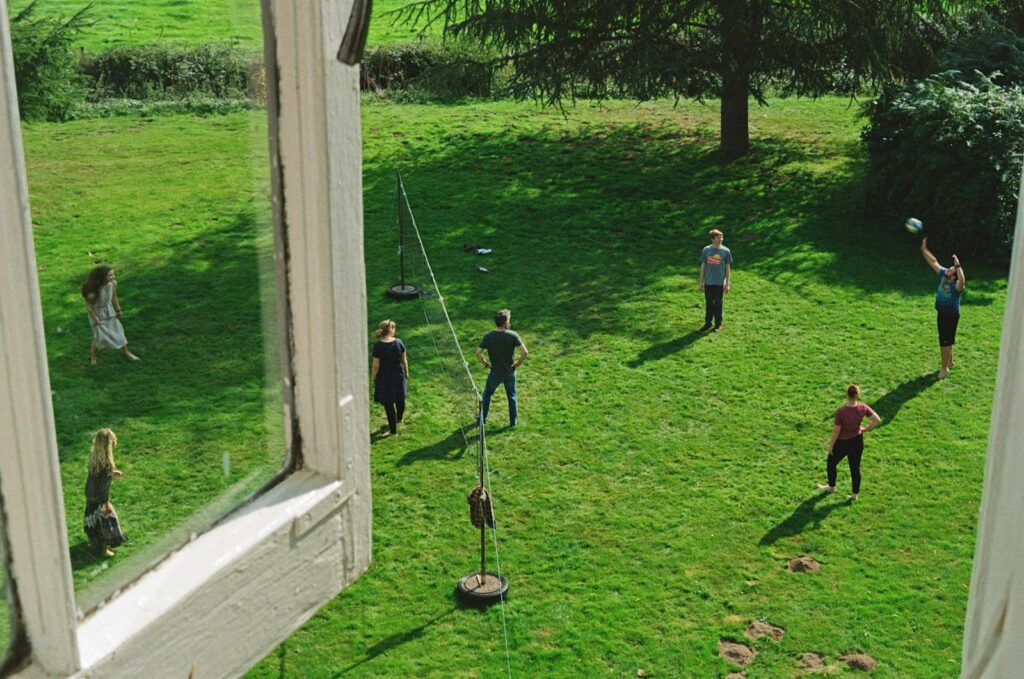
In a world where screens dominate our attention and convenience often trumps community, rediscovering the joy of outdoor activities can be an exhilarating experience. Picture this: laughter echoing through the streets, familiar faces coming together with a shared goal, and the synergy of movement uniting people of all ages. In today’s fast-paced life, it’s easy to forget the simple yet profound benefits of engaging in fun group exercises you can do in your neighborhood.
These activities are more than just a way to break a sweat; they’re a passport to reconnect with the community, boost mental health, and enhance overall well-being. Imagine turning a typical Sunday afternoon into a memorable adventure, right on your doorstep. From friendly relay races in the local park to synchronized yoga sessions at dawn, the possibilities are as endless as they are exciting. Engaging in these group exercises not only fosters physical fitness but also builds a sense of camaraderie and belonging.
Whether you’re a fitness enthusiast or a social seeker, discovering these activities can reignite your passion for movement while simultaneously bringing your community closer than ever. Prepare to be inspired by the vibrant opportunities awaiting just beyond your front door.
Benefits of Group Exercises in Your Neighborhood
Participating in fun group exercises you can do in your neighborhood offers a multitude of benefits that go beyond simple fitness gains. Physically, group workouts often motivate individuals to push harder, as the collective energy and friendly competition raise personal performance levels. You’re more likely to maintain consistency when you know your neighbors are counting on you, transforming solitary routines into anticipated community gatherings.
Enhanced cardiovascular health, improved muscle strength, and better flexibility are just the beginning; the social incentives amplify the overall wellness impact. Beyond the physical advantages, the psychological and emotional perks of neighborhood exercise groups are profound. Shared experiences and mutual encouragement foster a sense of belonging and accountability, reducing feelings of isolation and elevating mood.
Regular group sessions promote the release of endorphins, the body’s natural mood lifters, which can help alleviate stress and combat anxiety. The combined effect of exercise and social interaction also boosts self-esteem and provides a support network for setting and achieving personal health goals. In short, fun group exercises you can do in your neighborhood bridge the gap between fitness and community, enriching lives in multiple dimensions.
Ideas for Outdoor Group Activities
When it comes to fun group exercises you can do in your neighborhood, variety is key to keeping everyone engaged and excited. Start with classic activities like relay races or obstacle courses in your local park. These can be tailored to various fitness levels—just adjust distance or obstacle difficulty.
You might also organize fitness scavenger hunts, where teams follow clues to complete a mix of cardio, strength, and flexibility challenges around the neighborhood. Incorporating playful competition adds an extra layer of fun. For those seeking a more relaxed approach, consider sunrise yoga circles or tai chi in the community garden.
These low-impact workouts appeal to a wide range of ages and are excellent for balance, breath control, and mindfulness. Another engaging option is neighborhood walking or jogging clubs, which can alternate routes weekly to explore different streets and parks. Finally, group dance classes—like Zumba or hip-hop—bring upbeat music and choreographed moves to a local plaza or even a cul-de-sac.
With these diverse options, everyone can find a fun group exercise that suits their interests and fitness goals.
Planning and Organizing Group Exercises
Effective planning is the backbone of any successful community workout. Start by surveying neighbors to gauge interest, preferred times, and available locations. Utilize social media or neighborhood apps to share a quick poll. Once you’ve determined the majority’s preferences, secure an accessible outdoor space—whether it’s a grassy field, basketball court, or open sidewalk.
Establish a consistent schedule, such as weekday mornings or weekend afternoons, to build routine and anticipation among participants. Next, outline a flexible yet structured program. Designate session leaders who can guide warm-ups, main workouts, and cool-downs. Rotate leadership roles to maintain variety and give everyone a chance to contribute.
Prepare basic equipment—resistance bands, cones, and jump ropes—and encourage participants to bring mats or towels. Communicate clearly about what to wear, what to bring (water, sunscreen), and any fees or donations. Finally, create a simple sign-in sheet or digital attendance tracker to monitor progress and foster accountability.
Well-organized sessions not only run smoothly but also cultivate a sense of pride and ownership within the group.
Safety Precautions for Neighborhood Group Workouts
Ensuring safety during fun group exercises you can do in your neighborhood should be a top priority. Begin sessions with a thorough warm-up to increase blood flow and prepare muscles, reducing the risk of strains and injuries. Emphasize proper form and technique, especially for movements like squats, lunges, and push-ups.
Offer lighter variations for beginners or individuals recovering from injury, and remind everyone to listen to their bodies to prevent overexertion. Additionally, choose workout locations carefully. Avoid uneven ground or areas with heavy traffic, and ensure there’s ample space between participants. Keep a basic first-aid kit on hand and designate someone to manage minor scrapes or sprains.
Check local weather forecasts and reschedule in case of extreme heat, thunderstorms, or poor air quality. Encourage participants to stay hydrated, apply sunscreen, and wear appropriate footwear. By integrating these safety measures, you’ll create a welcoming environment where neighbors feel confident and secure while staying active together.
Engaging Different Age Groups in Community Exercises
One of the joys of fun group exercises you can do in your neighborhood is their universal appeal. To engage children, incorporate playful drills like tag, hopscotch-inspired agility courses, or kid-friendly relay races. These activities keep young participants moving and entertained while developing coordination and teamwork skills. Providing small incentives—stickers, healthy snacks, or shout-outs—can further motivate kids to attend regularly.
For teens and adults, structure workouts with higher intensity intervals, partner exercises, and circuit stations. Teens often appreciate challenges like timed sprints or strength circuits, while adults might enjoy mixed routines combining cardio, resistance training, and flexibility drills. Seniors can benefit from low-impact options such as chair exercises, gentle yoga, and walking groups, which support mobility, balance, and joint health.
Offering multiple “stations” during a single session allows participants of all ages to choose the workout that suits them best, fostering inclusivity and intergenerational bonding.
Building Camaraderie Through Group Fitness
Group workouts are more than physical routines—they’re community builders. Sharing goals, celebrating milestones, and supporting each other through challenges fosters deep connections. Start each session with a quick icebreaker or check-in, allowing participants to share achievements and intentions. This simple ritual humanizes the workout and lays the groundwork for lasting friendships.
Incorporate partner and team-based exercises to strengthen bonds. Activities like buddy planks, resistance-band pulls, or three-legged races encourage cooperation and trust. After workouts, host casual gatherings—coffee in the park, smoothie potlucks, or post-workout picnics. These social events provide time to unwind, share stories, and solidify relationships beyond the exercise mat.
As camaraderie grows, neighbors become workout partners, accountability buddies, and friends, reinforcing the habit of coming together for health and happiness.
The Mental Health Benefits of Neighborhood Group Workouts
Regular participation in fun group exercises you can do in your neighborhood offers profound mental health advantages. Exercise triggers the release of endorphins, the body’s natural mood elevators, which help to reduce stress, anxiety, and symptoms of depression. When combined with the social aspect of group activities, these effects are amplified—sharing laughter, encouragement, and shared goals can elevate mood even further.
Beyond biochemical benefits, group fitness fosters a sense of purpose and accomplishment. Setting and achieving milestones, whether it’s completing a set of push-ups or mastering a new yoga pose, boosts self-esteem and confidence. The accountability inherent in group settings ensures continuity, preventing the isolation that often accompanies solo workouts.
Moreover, the consistent structure and social interaction help establish a positive routine, which can be especially beneficial for those struggling with mental health challenges. Ultimately, neighborhood group workouts serve as both psychological sanctuary and communal celebration.
Exploring New Group Exercise Trends in the Community
Staying motivated can be as simple as trying out fresh trends in fun group exercises you can do in your neighborhood. One emerging favorite is “plogging,” a combination of jogging and picking up litter—promoting fitness while beautifying local streets. Another trend is outdoor “sound bath” yoga, where participants practice poses to the backdrop of soothing live instruments like gongs or singing bowls, creating a holistic mind-body experience.
High-energy dance parties in public spaces are also on the rise, with instructors leading Zumba, salsa, or Afrobeat classes under string lights or in open-air courtyards. For tech-savvy groups, augmented reality (AR) fitness games challenge participants to complete virtual scavenger hunts or obstacle courses via smartphone apps.
Integrating these innovative activities not only keeps the routine fresh but also attracts new members, from adventure-seeking teens to eco-conscious families. By embracing novel trends, neighborhoods can stay at the forefront of community fitness.
Leveraging Technology for Organizing Neighborhood Fitness Events
Technology plays a pivotal role in coordinating fun group exercises you can do in your neighborhood. Start by creating a dedicated social media group—on Facebook, WhatsApp, or Nextdoor—to post schedules, share workout tips, and celebrate milestones. Event apps like Eventbrite or Meetup can streamline RSVPs and send automatic reminders, ensuring higher attendance rates.
These platforms also allow organizers to gather feedback via polls, enabling swift adjustments to times, locations, or workout formats based on participant preferences. Wearable fitness trackers and smartphone apps can enhance engagement by enabling friendly competitions and progress tracking. Organize step challenges, calorie-burn leaderboards, or virtual mileage goals, with participants linking their devices to a group dashboard.
Live-streaming platforms or private video channels can accommodate members who can’t attend in person, fostering inclusivity and continuity. Finally, digital payment tools simplify contributions for shared equipment or event supplies. By integrating technology strategically, neighborhood fitness events become more accessible, interactive, and resilient.
Embracing Community Wellness through Group Exercises
Embracing fun group exercises you can do in your neighborhood transforms fitness from a solitary pursuit into a shared adventure. The blend of physical activity, social interaction, and local pride creates a powerful formula for lasting well-being.
By exploring diverse activities, prioritizing safety, and leveraging technology, communities can cultivate vibrant fitness cultures that welcome all ages and abilities. Take the first step today—gather your neighbors, choose your favorite workout, and experience the joy of exercising together.