
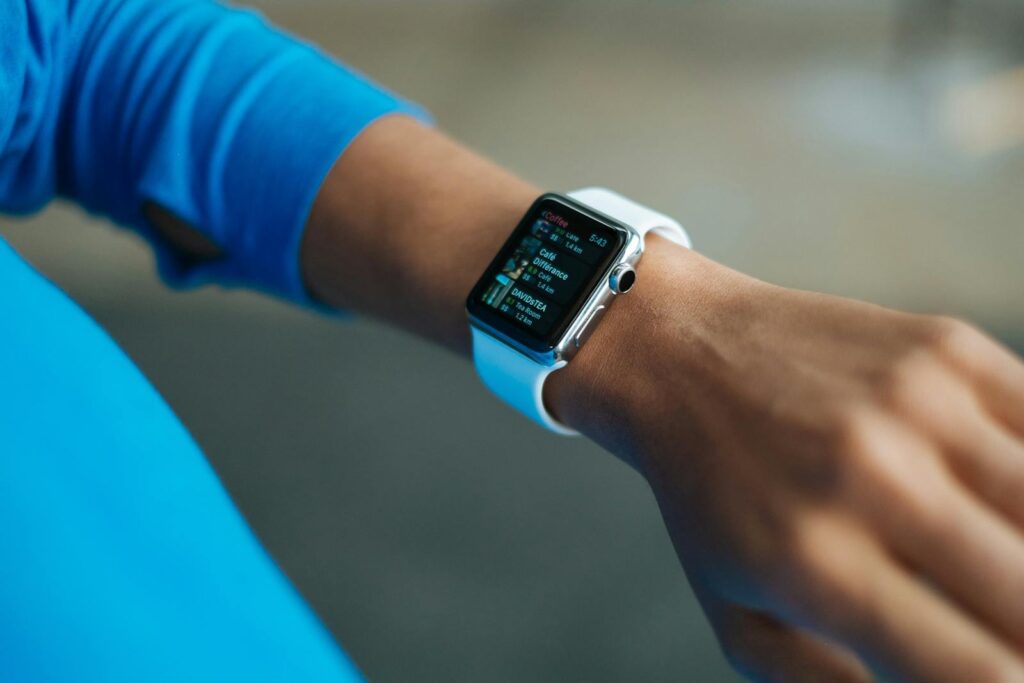
Imagine a world where your watch could alert you to potential health risks, long before you step foot in a doctor’s office. With the rapid rise of wearable technology, this is no longer a mere science fiction fantasy. Devices that once only counted steps are now capable of monitoring heart rates, sleep patterns, and even stress levels. The promise of these devices extends even further, with some suggesting they might predict serious health conditions, such as cancer. But how much can we really rely on them to assess something as complex as cancer risk?
Diving into the topic of what wearables can (and can’t) tell you about your cancer risk is both fascinating and essential. While these gadgets offer incredible insights into our daily lives and general wellness, there are limitations to their capabilities. Their sensors can provide a wealth of data, but interpreting these metrics in the context of cancer prevention is another matter entirely. By understanding both the potential and the boundaries of wearable technology, we can make more informed decisions about our health and embrace technology as a partner in our journey to well-being.
Discover how these advancements can empower you, while also recognizing the areas where traditional medical expertise still reigns supreme.
The Evolution of Wearable Technology in Health Monitoring
Over the past two decades, wearable technology has undergone a remarkable transformation. What began with simple pedometers and basic heart rate monitors has evolved into sophisticated devices capable of capturing a wide array of physiological signals. Early consumer wearables focused mainly on step counts and calories burned—an excellent start for encouraging activity, but limited in scope. As microprocessors shrank and battery life improved, manufacturers integrated additional sensors to track heart rate variability, blood oxygen saturation, electrocardiograms (ECG), and even skin temperature.
Companies like Fitbit, Garmin, and Apple pushed the boundaries, making these devices mainstream and user-friendly. The rise of smart fabrics, rings, and continuous glucose monitors further expanded the ecosystem, allowing for new form factors and more discreet health monitoring. Today’s wearables not only collect raw data but also apply machine learning algorithms to offer personalized insights. Cloud connectivity enables seamless syncing with smartphones and health platforms, making long-term trend analysis possible.
Real-time alerts for abnormal readings—such as irregular heart rhythms—underscore wearable devices’ potential as proactive health tools. However, this evolution has also sparked a debate about how far these technologies can go, especially when it comes to assessing complex conditions such as cancer. While wearables are adept at tracking lifestyle metrics and biometric trends, the transition from basic wellness to predictive health risk assessment marks a new frontier filled with both promise and pitfalls.
What Wearables Can Track
Modern wearables continuously gather a spectrum of data points, each offering valuable insights into our physiological state. At the core are step count and activity level, helping users quantify daily movement. Heart rate monitoring, available through optical sensors on most devices, tracks beats per minute (BPM) and, in more advanced models, heart rate variability (HRV)—an indicator of autonomic nervous system balance. Sleep tracking algorithms use wrist motion and heart rate changes to estimate time spent in light, deep, and REM sleep, shedding light on rest quality.
Features like blood oxygen saturation (SpO2) and skin temperature can hint at respiratory issues or signs of infection. Beyond vitals, some wearables measure stress levels by analyzing HRV patterns, while continuous glucose monitors offer glycemic trends for those managing diabetes. Gyroscopes and accelerometers gauge posture and detect falls, important for elderly care. Even electrodermal activity (EDA) sensors, found in a few specialized devices, assess sweat gland activity to infer stress or emotional responses.
By combining these metrics, wearables create a multidimensional picture of wellness. Yet, data alone is not destiny; understanding what wearables can (and can’t) tell you about your cancer risk hinges on interpreting these metrics in the right context and recognizing the technology’s limitations.
Exploring the Link Between Lifestyle and Cancer Risk
Numerous studies have established that lifestyle factors—such as physical activity, sleep patterns, diet, and stress—play a crucial role in modulating cancer risk. Regular exercise can lower inflammation, boost immune function, and help maintain a healthy weight, all of which contribute to reduced cancer incidence. Conversely, sedentary behavior and poor sleep quality may promote metabolic disturbances, hormonal imbalances, and chronic inflammation, creating an environment conducive to cancer development.
Wearables, by tracking daily steps, active minutes, and sleep metrics, offer users actionable data to optimize these lifestyle components. Moreover, stress is increasingly recognized as a factor that can influence cancer progression through hormonal pathways and immune modulation. Wearables that gauge stress by monitoring HRV can alert users to periods of heightened sympathetic activity, prompting stress-reduction strategies like mindfulness or breathing exercises.
While we cannot claim that a specific number of steps or hours of sleep will definitively prevent cancer, these metrics serve as proxies for healthy behaviors. Understanding these associations empowers individuals to make targeted changes—yet it remains critical to remember that lifestyle tracking addresses modifiable risk factors, not direct cancer markers.
Can Wearables Truly Predict Cancer?
The idea of using wearable devices to predict cancer is tantalizing, but it remains largely aspirational. Most wearables rely on indirect measures—heart rate, activity, sleep, or body temperature—to infer health status. Unlike biomarkers detectable in blood or tissue samples, these data points do not provide molecular-level evidence of oncogenic changes. While certain patterns, such as prolonged elevated resting heart rate or disrupted sleep, may correlate with underlying inflammation or metabolic dysregulation, they cannot confirm the presence of a tumor or pre-cancerous changes.
Researchers are exploring advanced analytics and artificial intelligence to spot subtle patterns that could precede a cancer diagnosis. For example, machine-learning models trained on large datasets might detect anomalies in heart rate variability or skin temperature linked to early-stage tumors. However, these efforts are in clinical trial phases, and real-world accuracy remains unproven. False positives could trigger undue anxiety, while false negatives might provide unwarranted reassurance. Therefore, although wearables hold theoretical potential for early warning, they are not yet reliable stand-alone predictors of cancer risk.
The Role of Data Interpretation in Assessing Cancer Risk
Raw data from wearables only becomes meaningful through proper interpretation. A resting heart rate of 80 BPM might raise concerns for one person but be perfectly normal for another, depending on age, fitness level, and genetics. Contextualizing wearable data requires algorithms that account for individual baselines and long-term trends rather than isolated readings. Many device manufacturers provide trend analyses—showing how your metrics differ week over week—but these tools are only as good as the models and datasets behind them.
Moreover, understanding the significance of deviations in activity, sleep, or heart rate demands collaboration between technology and clinical expertise. Data scientists can develop predictive models, but oncologists and epidemiologists must validate these models against real-world outcomes. Integrating wearable data with traditional risk factors—family history, genetic predisposition, and environmental exposures—enhances the accuracy of risk assessment. In isolation, wearable metrics offer clues; combined with broader health information, they contribute to a more comprehensive picture of cancer risk.
Wearables as Tools for Early Detection
Early detection is a key factor in improving cancer survival rates, and wearables may assist by flagging subtle physiological changes. For instance, unusually high nighttime heart rates or persistent temperature elevations could prompt users to seek medical evaluation. Wearable ECG features have already proven life-saving by detecting atrial fibrillation in asymptomatic individuals. Translating this success to oncology requires identifying reliable physiological signatures of early tumor growth.
Some pilot studies are investigating whether wearables can monitor inflammation markers indirectly through skin temperature or changes in circadian rhythms. Tracking long-term sleep disruption may reveal early hormonal imbalances linked to hormone-sensitive cancers. While these applications are promising, they remain experimental. Clinicians caution that wearables should complement—not replace—recommended cancer screenings such as mammograms, colonoscopies, and skin checks.
By serving as an additional alert system, wearables can encourage proactive health behaviors and timely consultations, potentially catching issues earlier than would occur otherwise.
Limitations and Challenges in Using Wearables for Cancer Risk Assessment
Despite their promise, wearable devices face significant limitations when applied to cancer risk assessment. Sensor accuracy varies across brands and models, and external factors like ambient temperature or device placement can skew readings. Data gaps occur if users remove devices for charging or personal comfort, leading to incomplete datasets. Moreover, most wearables lack the specificity to distinguish between benign fluctuations and clinically relevant changes. Elevated heart rate could indicate stress, caffeine intake, or dehydration, not necessarily an underlying malignancy.
Privacy and data security also present challenges. Health data collected by commercial devices may be subject to breaches or shared with third parties, raising ethical concerns about consent and usage. Additionally, socio-economic barriers limit access to advanced wearables, potentially exacerbating health disparities. Developers and healthcare providers must address these issues to ensure that wearable-based cancer risk tools are both reliable and equitable.
Integrating Wearable Data with Medical Expertise
To maximize the utility of wearables for cancer risk assessment, data must flow seamlessly into healthcare workflows. Digital health platforms can aggregate wearable metrics alongside electronic health records, enabling physicians to view trends over time. This integration allows clinicians to identify anomalies that warrant further investigation. For example, a primary care physician might notice a patient’s chronic sleep disruption and elevated resting heart rate trend, prompting a more in-depth evaluation of inflammatory markers or imaging studies.
Multidisciplinary collaboration is essential. Data scientists refine algorithms to reduce false alarms, while oncologists validate predictive models with clinical research. Nurse practitioners and health coaches can use wearable insights to guide lifestyle interventions, reinforcing behavior changes shown to reduce cancer risk. By establishing clear protocols for data review and follow-up, the healthcare system can harness wearable technology without overburdening clinicians or compromising patient safety.
Empowering Personal Health Decisions with Wearable Insights
One of the greatest advantages of wearables is their ability to engage users directly in their health journey. Real-time feedback on activity, sleep, and stress encourages self-awareness and accountability. Users can set personalized goals—such as increasing daily steps or improving sleep duration—and monitor progress through intuitive dashboards. When wearables include educational content about how lifestyle factors relate to cancer risk, they transform into coaching tools that promote preventive behaviors.
Wearables also foster community and support networks. Many apps feature social challenges and peer comparisons, motivating individuals to stay active or adopt healthier sleep habits. By democratizing access to health data, wearables empower users to have informed conversations with their healthcare providers. This participatory model shifts some responsibility from clinicians to patients, encouraging a proactive rather than reactive approach to well-being.
Wearables and Traditional Medicine in Harmony
Wearable technology offers unprecedented access to daily health metrics, making it an invaluable companion for those seeking to reduce cancer risk through lifestyle optimization. However, these devices are not replacements for established medical practices. Regular screenings, clinical assessments, and physician-guided interventions remain the gold standard for cancer detection and prevention. By viewing wearables as complementary tools, individuals can leverage both digital insights and traditional medical expertise.
A balanced approach acknowledges the strengths and limitations of each modality. Wearables excel at continuous monitoring and behavior reinforcement, while conventional medicine provides diagnostic precision and therapeutic options. Integrating these resources fosters a comprehensive strategy for cancer risk management—one that empowers users with data-driven insights and ensures that critical health decisions remain grounded in clinical evidence.